

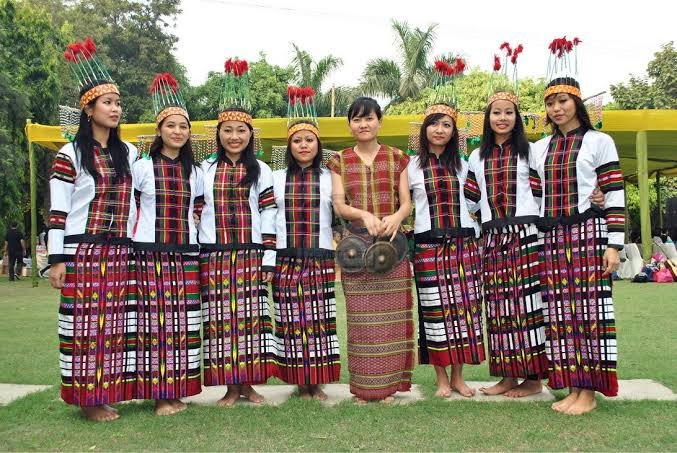
The Cultural Exchange Program (MZ) brought youth groups from Mizoram to Assam as part of an official Northeast integration and cultural exchange initiative. The program aims to encourage interaction among young people from different northeastern states while promoting greater understanding of regional traditions, communities, and cultural diversity.
Kuki Inpi Manipur Raises Strong Objection to CM’s Kangpokpi Visit
Cultural Exchange Program (MZ) Promotes Northeast Integration
The Cultural Exchange Program (MZ) has brought youth groups from Mizoram to Assam for an official cultural exchange focused on Northeast integration.
The initiative provides participants with an opportunity to interact with young people and communities outside their home state. Moreover, cultural exchanges can help participants learn about different traditions, languages, customs, and social practices across the region.
Northeast India contains a wide range of communities and cultural traditions. Therefore, programs that encourage direct interaction can create opportunities for young people to develop a broader understanding of the region.
According to the information provided, the Mizoram youth groups traveled to Assam specifically for an official Northeast integration culture exchange.
However, the available details do not identify the participating youth organizations, the exact locations visited in Assam, or the duration of the program.
Consequently, further official information would be needed to provide details about the full schedule and activities.
Cultural Exchange Program (MZ) Connects Youth Across States
The Cultural Exchange Program (MZ) focuses on building connections between young people from Mizoram and Assam. Youth participation can provide a direct platform for cultural learning and interaction.
Furthermore, participants can gain exposure to traditions beyond their own communities through shared activities and discussions. Such interactions may also encourage young people to develop greater awareness of the similarities and differences across northeastern states.
The program’s focus on Northeast integration also gives the exchange a wider regional dimension. Instead of concentrating solely on tourism or cultural performances, the initiative seeks to encourage interaction between young participants from different parts of the region.
However, the available information does not specify the particular cultural activities included in the exchange.
Similarly, it does not provide details about the number of participants or the organizations coordinating their travel.
Therefore, those details should await official announcements.
Cultural Exchange Program (MZ) Highlights Regional Diversity
The Cultural Exchange Program (MZ) also highlights the cultural diversity of Northeast India. Mizoram and Assam have distinct cultural traditions, languages, communities, and historical experiences.
Moreover, bringing young people together can create opportunities to share these different perspectives in an organized setting. Participants can learn directly from one another rather than relying only on written or digital information about other communities.
The exchange may also encourage participants to explore common regional connections. Additionally, interaction among youth can support a stronger understanding of the broader Northeast identity while respecting the individual cultural identities of each state.
However, the available information does not establish any long-term outcomes from the program.
It also does not indicate whether participants will undertake follow-up activities after returning to Mizoram.
As a result, the immediate significance of the initiative remains its role in facilitating an official cultural exchange between youth groups.
Cultural Exchange Program (MZ) Supports Youth Engagement
The Cultural Exchange Program (MZ) places young people at the center of a regional integration effort. Youth-focused initiatives can provide participants with opportunities to build relationships and gain firsthand knowledge of neighboring states.
Additionally, cultural exchanges can encourage participants to share experiences from their own communities. This two-way interaction can make regional programs more participatory and help participants understand cultural diversity through direct engagement.
The Assam visit also creates an opportunity for Mizoram youth to experience another part of the Northeast. Furthermore, participants can potentially take what they learn back to their communities and share their experiences with others.
Nevertheless, the available information does not specify whether the program includes formal educational sessions, cultural performances, community visits, or other activities.
Therefore, the precise structure of the exchange remains unclear based on the information currently available.
Further updates from the organizers could provide more information about the program’s activities and outcomes.
Conclusion
The Cultural Exchange Program (MZ) has brought youth groups from Mizoram to Assam for an official Northeast integration and cultural exchange initiative. The program provides participants with an opportunity to interact across state boundaries and learn about the diverse traditions and communities of the region.
Moreover, youth exchanges can encourage cultural understanding by creating opportunities for direct interaction and shared experiences. The initiative also highlights the importance of involving young people in broader efforts to strengthen regional connections.
Overall, the Cultural Exchange Program (MZ) represents an organized effort to promote cultural interaction between Mizoram and Assam. As the exchange progresses, further information about participant numbers, activities, and follow-up initiatives could provide a clearer picture of its wider impact on Northeast integration.
FAQs
1. What is the Cultural Exchange Program (MZ)?
The Cultural Exchange Program (MZ) is an official Northeast integration initiative involving youth groups from Mizoram who traveled to Assam for a cultural exchange.
2. Where did the Mizoram youth groups travel?
The participating youth groups traveled from Mizoram to Assam as part of the exchange program.
3. What is the main purpose of the program?
The program aims to promote cultural interaction, regional understanding, and Northeast integration among young people.
4. Who is participating in the exchange?
Youth groups from Mizoram are participating in the official cultural exchange, although the available information does not specify the exact organizations or number of participants.
5. Why are youth cultural exchanges important?
Youth exchanges can provide direct opportunities for participants to learn about different communities, traditions, and perspectives while developing stronger regional connections.