


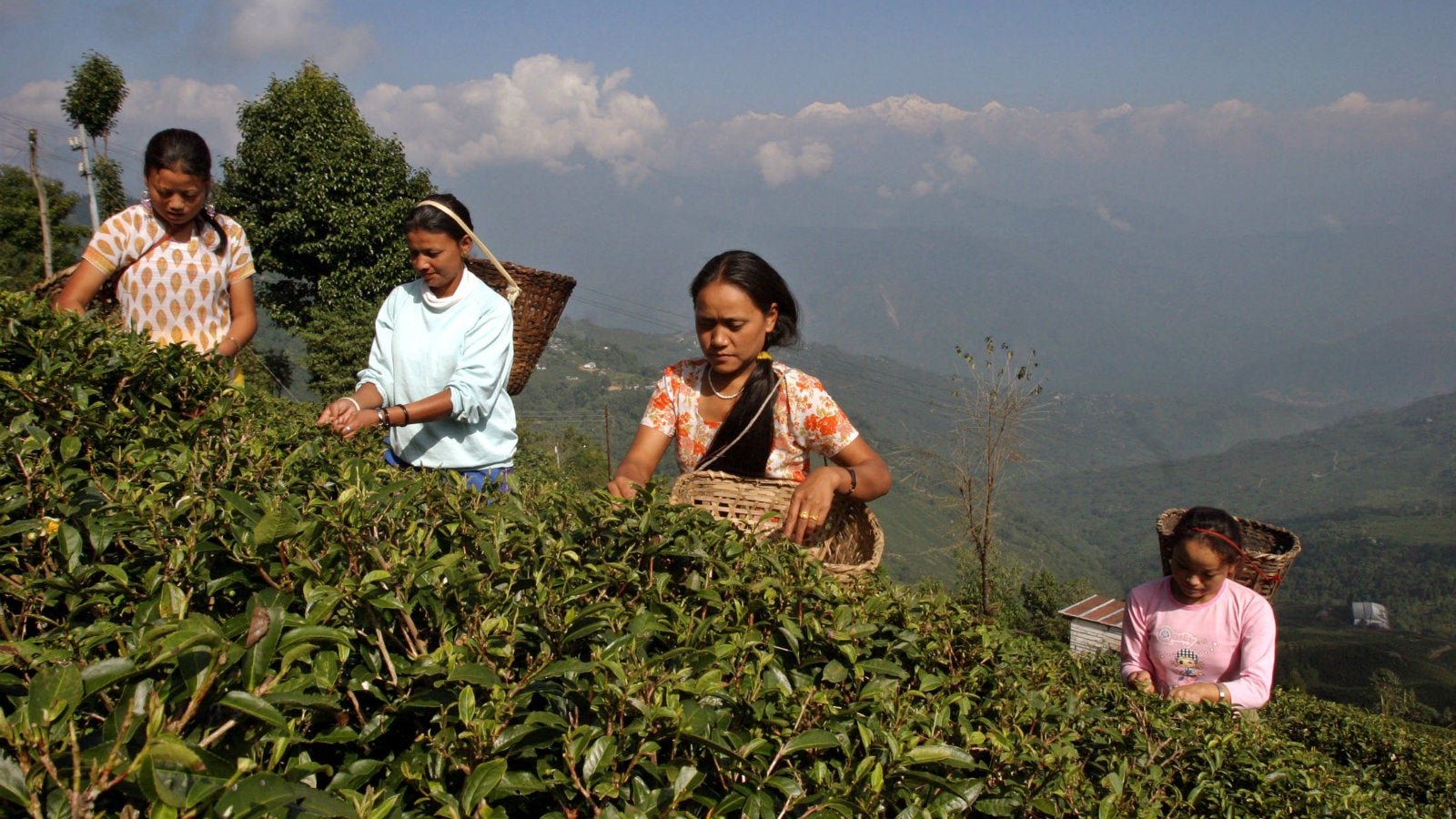
Darjeeling tea climate change concerns intensified after premium tea estates across the Himalayan region reported declining yields and increasing production instability linked to shifting weather conditions. Meanwhile, plantation authorities, agricultural experts, and industry representatives stated that irregular rainfall, rising temperatures, and changing seasonal patterns have significantly affected tea cultivation cycles in several high-altitude estates. The situation immediately attracted widespread attention because Darjeeling tea remains one of India’s most globally recognized premium agricultural products. Additionally, tea growers and policymakers reportedly increased discussions regarding climate adaptation strategies and long-term sustainability planning for the sector.
The crisis emerged amid growing global concern regarding the impact of climate variability on sensitive agricultural industries. Furthermore, environmental researchers observed that mountain-based tea cultivation remains particularly vulnerable to changing ecological and atmospheric conditions.
Durgapur Manufacturing Expansion Attracts Global Investment
Bengal Heatwave Alert Intensifies Across Western Districts
Premium Tea Estates Report Falling Yields
Tea producers across Darjeeling indicated that crop output and leaf quality have experienced noticeable fluctuations during recent harvesting seasons. Darjeeling tea climate change discussions therefore rapidly expanded across agricultural and export sectors.
Meanwhile, plantation managers explained that irregular rainfall patterns and prolonged dry spells disrupted traditional cultivation and plucking schedules. Additionally, sudden temperature shifts reportedly affected leaf growth consistency and seasonal production quality across several estates.
Industry representatives emphasized that Darjeeling tea production depends heavily on stable climatic conditions because the region’s premium tea characteristics develop under highly specific environmental settings. Furthermore, growers noted that weather unpredictability increasingly complicated plantation management and long-term production planning.
Earlier, Darjeeling tea maintained a strong international reputation because of its unique aroma, flavor profile, and limited high-altitude cultivation zones. Consequently, declining yield concerns generated anxiety among exporters and global buyers.
At the same time, tea producers stressed the need for stronger scientific research and climate-resilient cultivation practices.
Climate Variability Alters Traditional Cultivation Patterns
Experts observed that changing climate conditions increasingly influence the delicate ecological balance required for premium tea cultivation. Darjeeling tea climate change effects therefore became a central concern within agricultural sustainability discussions.
Meanwhile, environmental researchers noted that erratic rainfall, warmer winters, and changing humidity patterns directly affect soil conditions and tea plant health. Additionally, extreme weather events such as intense rainfall and landslides occasionally damaged plantation infrastructure and disrupted harvesting operations.
Climate specialists explained that mountain ecosystems remain particularly sensitive to atmospheric changes because of fragile biodiversity and narrow temperature ranges. Furthermore, agricultural systems dependent on seasonal stability often face significant disruption under changing climate conditions.
Several agronomists emphasized that tea quality and flavor composition may also fluctuate when traditional growing conditions experience prolonged instability. Consequently, premium tea markets increasingly monitored environmental developments affecting Darjeeling estates.
However, experts stated that climate adaptation measures may still help reduce long-term production risks if implemented effectively.
Global Reputation and Export Market Face Pressure
The ongoing production challenges also raised concern regarding Darjeeling tea’s global commercial standing. Darjeeling tea climate change impacts therefore extended beyond agriculture into international trade and branding discussions.
Meanwhile, exporters reported that inconsistent production volumes and quality variation may affect supply reliability for premium global markets. Additionally, international buyers continued closely monitoring changes affecting one of the world’s most prestigious tea-producing regions.
Trade analysts observed that Darjeeling tea commands high value because of its limited production and geographical identity protection. Furthermore, fluctuations in premium supply may influence pricing stability and export competitiveness within specialty beverage markets.
Several market researchers highlighted that climate-sensitive agricultural products increasingly face uncertainty in global trade systems. Consequently, sustainability and resilience strategies gained stronger importance within tea industry planning.
At the same time, branding experts stressed the importance of protecting Darjeeling tea’s international identity through quality preservation and adaptive cultivation methods.
Tea Workers and Local Economy Experience Challenges
The climate-related decline in production may significantly affect employment and livelihoods across Darjeeling’s tea-dependent communities. Darjeeling tea climate change concerns therefore carried major social and economic implications for the region.
Meanwhile, plantation workers and local residents expressed concern regarding income stability as production uncertainty affected estate operations and harvesting schedules. Additionally, reduced yields may influence seasonal employment opportunities connected with tea cultivation and processing.
Economic experts observed that Darjeeling’s regional economy remains deeply linked with tea production, tourism, and export-related activity. Furthermore, prolonged agricultural instability may create broader financial challenges involving local commerce and rural livelihoods.
Several labor and social development researchers emphasized that climate vulnerability increasingly threatens communities dependent on environmentally sensitive industries. Consequently, calls for financial support, adaptation funding, and workforce protection measures gained momentum.
However, industry stakeholders also highlighted that sustainable modernization and technological innovation may help improve long-term resilience within the tea sector.
Scientists Advocate Climate Adaptation Measures
Agricultural researchers and environmental experts strongly recommended the adoption of climate-resilient cultivation strategies for Darjeeling’s tea estates. Darjeeling tea climate change adaptation therefore emerged as a major policy and scientific priority.
Meanwhile, specialists encouraged improved water management systems, soil conservation practices, and research involving climate-tolerant tea varieties. Additionally, sustainable plantation management and ecological restoration initiatives may help reduce environmental vulnerability.
Climate adaptation experts explained that long-term agricultural resilience frequently depends on scientific monitoring, ecosystem preservation, and efficient resource management. Furthermore, mountain agriculture increasingly requires integrated planning balancing productivity with ecological sustainability.
Several environmental policy analysts highlighted the importance of collaboration between government agencies, scientific institutions, and plantation authorities. Consequently, discussions regarding sustainable tea cultivation and climate mitigation strategies intensified across the industry.
At the same time, conservation groups emphasized the need to protect the fragile Himalayan ecosystem surrounding Darjeeling’s tea-growing areas.
Darjeeling Tea Industry Seeks Long-Term Sustainability
The ongoing crisis prompted renewed focus on ensuring the future sustainability of the iconic tea industry. Darjeeling tea climate change pressures therefore accelerated broader conversations regarding environmental responsibility and economic adaptation.
Meanwhile, policymakers and tea associations reportedly explored strategies involving sustainable certification, eco-friendly cultivation, and international market positioning focused on climate-conscious production practices. Additionally, digital marketing and premium branding initiatives may help support long-term industry competitiveness despite production challenges.
Industry strategists observed that consumers increasingly value environmentally sustainable agricultural products and ethical production standards. Furthermore, climate adaptation efforts may strengthen Darjeeling tea’s global reputation if supported by effective implementation.
Several economic planners stressed that preserving heritage industries requires balancing commercial viability with environmental stewardship and community welfare. Consequently, long-term sustainability planning became increasingly central to discussions surrounding the future of Darjeeling tea.
At the same time, observers acknowledged that climate uncertainty may continue influencing agricultural production patterns across the Himalayan region.
Conclusion
Darjeeling tea climate change concerns intensified after premium tea estates reported declining yields and production instability linked to irregular weather conditions and environmental changes. Meanwhile, industry experts warned that rising temperatures, unpredictable rainfall, and ecological stress increasingly threaten one of India’s most globally recognized agricultural products. Researchers and policymakers emphasized the urgent need for climate adaptation strategies, sustainable cultivation methods, and ecosystem protection measures. Ultimately, observers believe the future resilience of the Darjeeling tea industry may depend on balancing environmental sustainability with economic and agricultural modernization efforts.
FAQs
Why are Darjeeling tea estates facing a crisis?
Climate change and irregular weather conditions are affecting tea yields and quality.
How does climate change impact tea cultivation?
Changing rainfall, rising temperatures, and weather instability disrupt growing cycles and leaf quality.
Why is Darjeeling tea globally important?
Darjeeling tea is internationally known for its premium quality and unique flavor profile.
Could climate change affect exports?
Yes, inconsistent production may impact supply stability and global market competitiveness.
Are local communities affected by the crisis?
Tea workers and local businesses may face economic challenges linked to reduced production.
What solutions are experts recommending?
Researchers suggest climate adaptation, water management, and sustainable cultivation practices.