

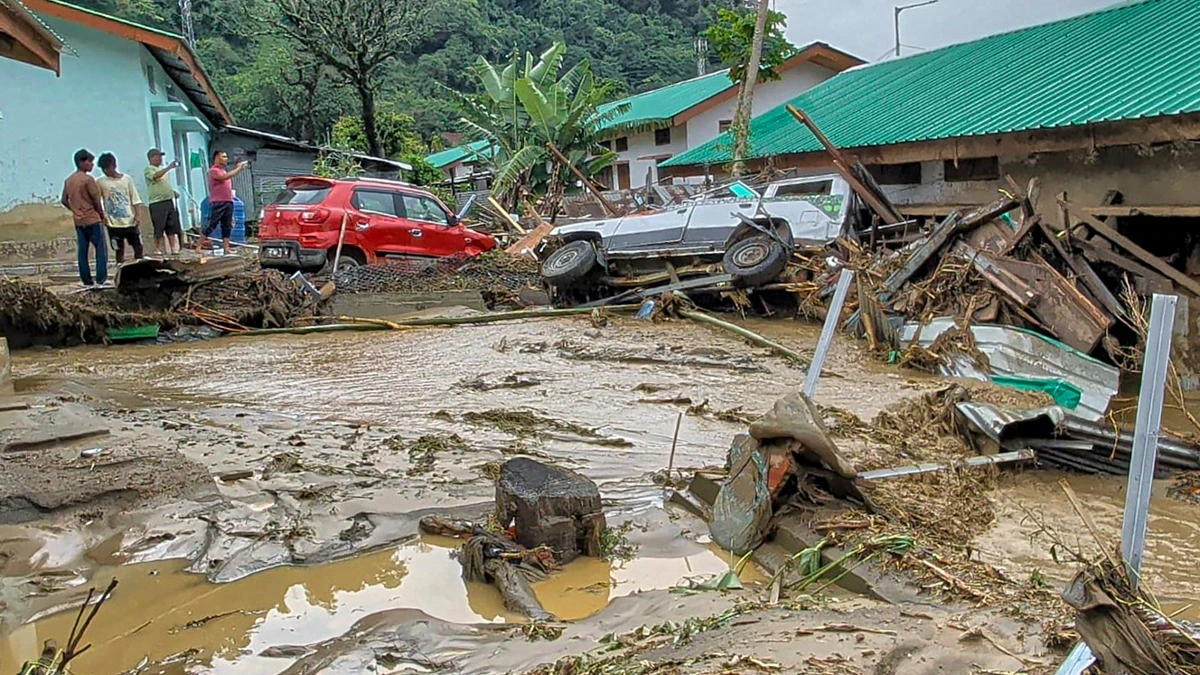
The severe monsoon-driven flood and landslide crisis in Arunachal Pradesh intensified on June 30, with the reported death toll rising to four as heavy rainfall, flash floods, and landslides continued to devastate large parts of the state. According to official assessments, all 28 districts have been affected to varying degrees, with more than 90,000 residents impacted by the ongoing disaster. Moreover, widespread damage to bridges, roads, and critical transport corridors has disrupted connectivity and complicated relief operations. The escalating situation has prompted intensified disaster response measures and high-level assessments by state and central authorities.
Heavy Rainfall, Severe Thunderstorms, and Lightning Across Northeast India
Community Policing Push Strengthens Peace Efforts
Death Toll Rises as Flood Emergency Worsens
Arunachal Pradesh’s ongoing flood crisis entered a more severe phase after authorities confirmed an increase in the number of fatalities associated with the disaster. Consequently, emergency response agencies have expanded rescue, relief, and monitoring operations across the state.
Officials reported that continuous rainfall, flash floods, and landslides have created dangerous conditions in multiple districts. Moreover, the combination of swollen rivers and unstable terrain has increased risks to both residents and emergency responders. Therefore, authorities have maintained heightened alert levels throughout the affected regions.
Disaster management agencies emphasized that conditions remain highly dynamic due to ongoing rainfall activity. Furthermore, assessment teams continue to evaluate the evolving humanitarian and infrastructural impacts. As a result, emergency operations remain active across the state.
Meanwhile, authorities continue to monitor weather forecasts and river conditions closely. Consequently, preparedness measures have been further intensified.
More Than 90,000 Residents Affected Across 28 Districts
The widespread impact of the disaster has affected communities throughout Arunachal Pradesh, making it one of the state’s most extensive monsoon emergencies in recent years. Moreover, officials indicated that over 90,000 residents have experienced disruptions due to flooding, landslides, and infrastructure damage. Therefore, relief and rehabilitation efforts have become increasingly important.
Authorities noted that affected populations have faced displacement, transportation disruptions, and challenges accessing essential services. Consequently, district administrations and emergency agencies have mobilized resources to provide assistance to impacted communities. Such interventions remain critical during large-scale disasters.
Furthermore, emergency shelters, relief supplies, and medical assistance have been deployed in several affected areas. As a result, humanitarian response operations continue to expand.
Meanwhile, local administrations remain engaged in damage assessment and relief coordination activities. Similarly, support services continue to operate in vulnerable regions.
Bridges and Transport Corridors Sustain Extensive Damage
One of the most significant consequences of the ongoing disaster has been the extensive damage inflicted on transportation infrastructure throughout the state. Moreover, flash floods and landslides have destroyed or severely damaged bridges, roads, and strategic transport corridors. Therefore, restoring connectivity remains a major challenge.
Officials stated that transportation disruptions have complicated relief operations and affected the movement of emergency personnel and essential supplies. Consequently, engineering teams and disaster management authorities have initiated assessments of damaged infrastructure. Such evaluations are essential for determining restoration priorities.
Furthermore, authorities continue to explore temporary connectivity solutions where possible. As a result, infrastructure restoration planning has become an urgent priority.
Meanwhile, transportation agencies continue to monitor vulnerable routes and assess additional risks. Similarly, emergency repair efforts remain under consideration.
Disaster Response and Recovery Efforts Intensify
State and central authorities have intensified disaster response operations in response to the escalating humanitarian and infrastructural crisis. Moreover, coordinated efforts involving multiple agencies continue to support rescue operations, relief distribution, and damage assessment activities. Therefore, emergency management remains a top administrative priority.
Officials emphasized the importance of effective coordination among disaster response agencies, district administrations, and central authorities. Consequently, relief operations have been expanded to reach affected populations. Such collaboration contributes significantly to improving emergency response effectiveness.
Furthermore, authorities continue to assess long-term recovery requirements, including infrastructure reconstruction and rehabilitation support. As a result, planning efforts have intensified.
Meanwhile, weather monitoring and disaster preparedness activities remain active across the state. Similarly, authorities continue to evaluate evolving conditions.
Conclusion
The worsening flood and landslide crisis in Arunachal Pradesh has resulted in a rising death toll, widespread displacement, and extensive infrastructure damage across all 28 districts of the state. Moreover, the disaster has affected more than 90,000 residents and severely disrupted transportation and public services.
The situation highlights the growing challenges posed by extreme weather events and the importance of resilient infrastructure, disaster preparedness, and coordinated emergency response systems. Therefore, relief, recovery, and reconstruction efforts remain immediate priorities.
As authorities continue to manage the ongoing crisis, supporting affected communities and restoring essential connectivity remain central objectives.
FAQs
1. How many fatalities have been reported in the Arunachal Pradesh floods?
The reported death toll has risen to four.
2. How many districts have been affected?
All 28 districts of Arunachal Pradesh have reportedly been impacted.
3. How many people have been affected by the disaster?
More than 90,000 residents have been affected.
4. What types of infrastructure have been damaged?
Bridges, roads, and critical transport corridors have sustained significant damage.
5. What caused the current disaster situation?
Heavy monsoon rainfall, flash floods, and landslides triggered the widespread damage.