

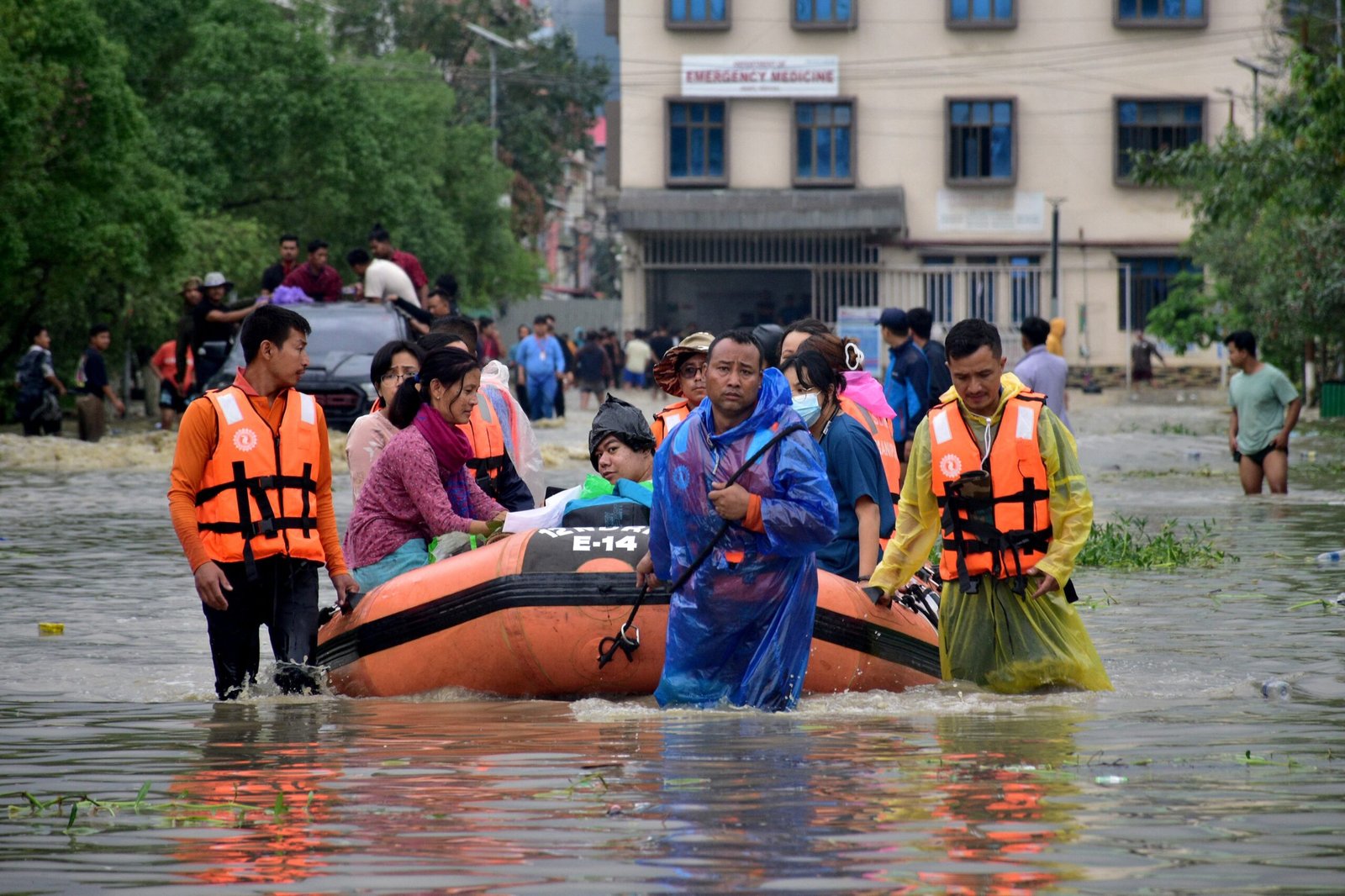
The Disaster Relief Funding debate has intensified after opposition parties called for an immediate increase in State Disaster Response Fund (SDRF) allocations and allowances following severe flash floods. The demand comes amid concerns over the adequacy of existing relief resources for affected communities. The Disaster Relief Funding issue has gained prominence as opposition parties urged the government to revise State Disaster Response Fund (SDRF) allowances in the wake of severe flash floods. Moreover, the demand highlights concerns about the availability of adequate financial support for relief, rehabilitation, and recovery operations. The discussion has renewed focus on disaster preparedness and funding mechanisms.
PM Modi to Inaugurate Rayanapadu Railway Station in Andhra Pradesh on July 17
Disaster Relief Funding Becomes Key Political Issue
The Disaster Relief Funding discussion gained momentum after opposition parties sought higher SDRF allocations and allowances. Furthermore, the demand followed severe flash floods that affected several areas and increased the need for relief assistance.
Natural disasters often place significant pressure on emergency resources. Consequently, adequate funding becomes essential for effective disaster response.
Moreover, financial support plays a vital role in recovery efforts. Therefore, the issue has received considerable public and political attention.
Opposition Calls for Revision of SDRF Allowances
The Disaster Relief Funding demand centers on revising the existing State Disaster Response Fund allowances. Furthermore, opposition leaders argued that current financial provisions should be reviewed in light of the recent flood situation.
Disaster relief policies are periodically evaluated based on evolving needs. Similarly, funding discussions often follow major natural calamities.
Consequently, the proposal has sparked broader conversations on strengthening disaster management resources. Thus, the issue remains under discussion.
Flash Floods Highlight Need for Adequate Relief Resources
The Disaster Relief Funding debate has been shaped by the impact of severe flash floods on affected communities. Moreover, natural disasters often require immediate financial assistance to support emergency operations and rehabilitation.
Relief measures depend on timely resource allocation. Additionally, adequate funding enables authorities to respond more effectively during emergencies.
Consequently, the recent floods have renewed attention on disaster preparedness. Therefore, funding mechanisms remain an important aspect of disaster management.
SDRF Plays a Crucial Role in Disaster Response
The Disaster Relief Funding discussion underscores the importance of the State Disaster Response Fund in managing emergencies. Furthermore, the SDRF provides financial assistance for relief operations following natural disasters.
Efficient disaster management relies on well-planned financial resources. Similarly, timely availability of funds supports rescue, relief, and rehabilitation efforts.
Moreover, continuous review of disaster response mechanisms strengthens preparedness. Thus, funding remains a key component of emergency management.
Disaster Preparedness Remains a Priority
The Disaster Relief Funding issue also highlights the broader importance of strengthening disaster preparedness. Furthermore, governments and disaster management agencies continue to focus on improving emergency response capabilities.
Preparedness includes planning, coordination, and resource management. Consequently, adequate financial support contributes to more effective disaster response.
Additionally, long-term resilience depends on continuous improvements in disaster management systems. Therefore, discussions on funding remain relevant.
Looking Ahead
The Disaster Relief Funding debate is expected to continue as policymakers evaluate disaster response requirements following recent floods. Moreover, future discussions may focus on ensuring that relief mechanisms remain effective and responsive.
As weather-related disasters become increasingly challenging, authorities are likely to review disaster management strategies. Similarly, financial preparedness will remain an important consideration.
Consequently, the demand for enhanced SDRF support has reinforced the importance of sustainable disaster financing. Thus, the issue remains significant for future policy discussions.
Conclusion
The Disaster Relief Funding discussion has gained urgency following opposition calls for increased SDRF allowances after severe flash floods. The demand reflects broader concerns about ensuring sufficient financial resources for relief and rehabilitation.
Moreover, the debate highlights the importance of maintaining effective disaster response systems supported by adequate funding. Consequently, disaster management remains a key policy priority.
Looking ahead, continued evaluation of funding mechanisms and preparedness strategies will be essential for responding to future natural disasters. Therefore, the Disaster Relief Funding issue is likely to remain an important part of disaster management policy discussions.
FAQs
1. What is the Disaster Relief Funding issue?
The Disaster Relief Funding issue concerns opposition demands for higher SDRF allowances following severe flash floods.
2. Why are opposition parties seeking higher SDRF support?
They argue that existing disaster relief funding should be increased to better support relief and recovery efforts after the floods.
3. What is the SDRF?
The State Disaster Response Fund (SDRF) is a financial mechanism used by states to provide relief during notified natural disasters.
4. Why is disaster funding important?
Adequate funding supports rescue operations, relief distribution, rehabilitation, and disaster recovery.
5. What prompted the latest demand?
The demand followed severe flash floods that increased the need for emergency assistance and recovery resources.