

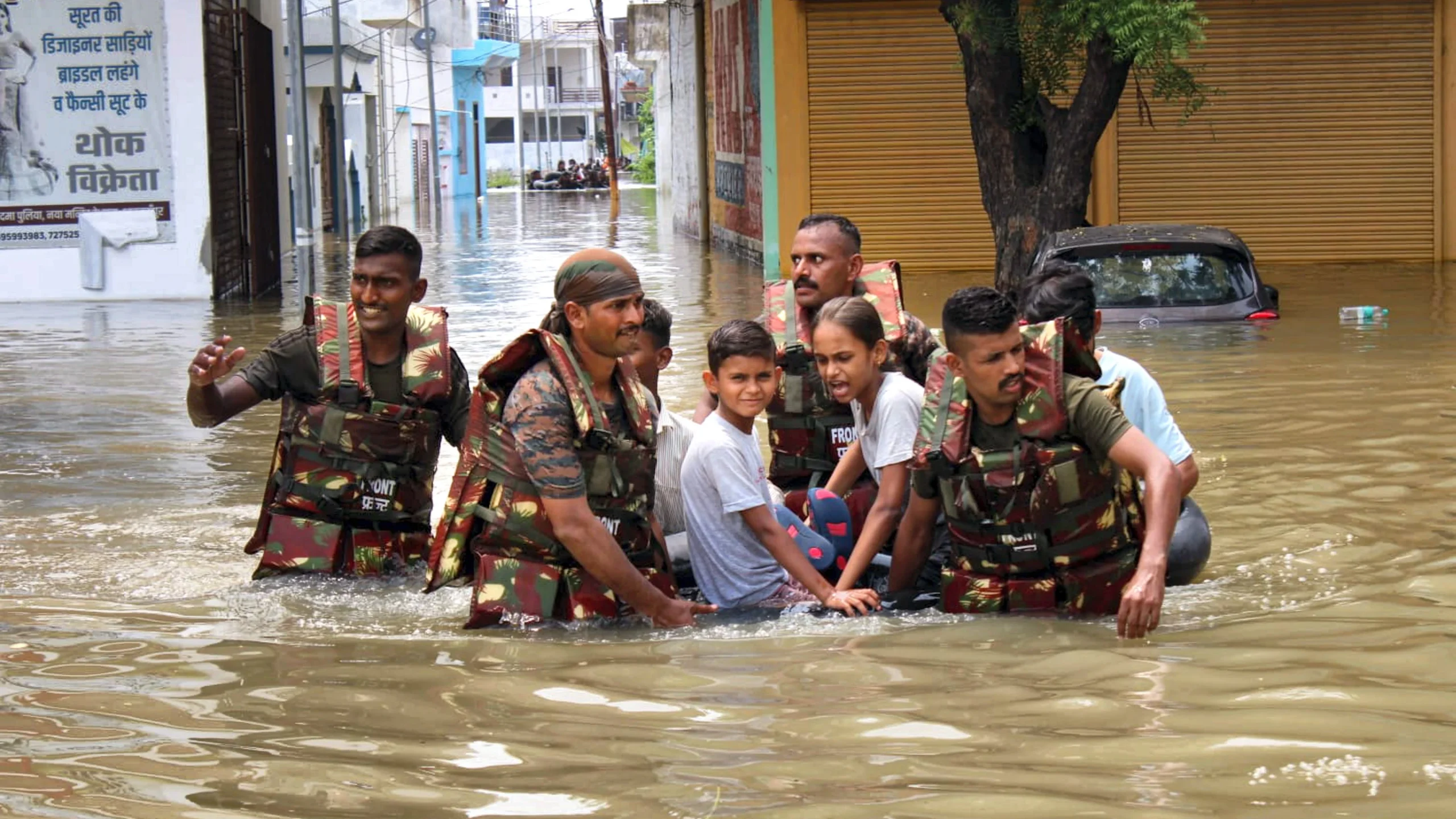
The Displaced Civilians situation remains serious as more than 1.68 lakh residents continue to stay displaced across 15 severely inundated districts. The large number of displaced people reflects the scale of the flooding and the continuing challenges faced by affected communities.
Flood-related displacement can disrupt housing, livelihoods, education, healthcare, and access to essential services. Moreover, families may require temporary shelter, food, clean water, sanitation facilities, and medical assistance while authorities manage the crisis.
The situation places additional pressure on relief and emergency-response systems across the affected districts. However, the available information does not specify the exact number of relief camps, the causes of the flooding, or the duration of displacement for individual families.
Sikkim Tax Revenue Posts Powerful Decade-Long Growth, CAG Finds
Displaced Civilians Face Prolonged Disruption
The Displaced Civilians situation affects more than 1.68 lakh residents across 15 severely inundated districts.
Families who leave flooded homes often need temporary accommodation and access to essential services. Furthermore, prolonged displacement can make it difficult for residents to return to normal work, education, and household activities.
Authorities therefore face the challenge of maintaining support while flood conditions continue.
However, the available information does not specify how many displaced residents are staying in relief camps versus other temporary arrangements.
Displaced Civilians Require Essential Relief
The Displaced Civilians affected by the flooding may require continued access to basic necessities.
Food, drinking water, sanitation, healthcare, and safe accommodation become particularly important when residents cannot return home. Additionally, emergency supplies need to reach communities across multiple affected districts.
Maintaining consistent relief delivery can help reduce hardship during prolonged displacement.
However, the available information does not provide details about the quantity or distribution of relief supplies.
Displaced Civilians Put Pressure on Relief Operations
The Displaced Civilians figure of more than 1.68 lakh creates significant demands on emergency-response systems.
Authorities and relief agencies need to coordinate accommodation, food distribution, healthcare, sanitation, and transportation. Moreover, large-scale displacement requires regular assessments to identify communities that need additional assistance.
Effective coordination can help prevent gaps in relief coverage.
However, the available information does not identify the agencies currently managing relief operations.
Displaced Civilians Face Livelihood Challenges
The Displaced Civilians situation can affect the livelihoods of families whose homes and communities remain inundated.
Farmers, workers, traders, and small businesses may struggle to continue normal activities while floodwaters remain. Furthermore, damage to roads and local infrastructure can make it harder for residents to travel to workplaces or markets.
Economic recovery can therefore become an important part of the longer-term response.
However, the available information does not provide an estimate of livelihood losses among displaced families.
Displaced Civilians Need Healthcare Access
The Displaced Civilians situation also creates additional healthcare requirements.
Displaced residents may need access to medicines, routine treatment, emergency care, and preventive health services. Additionally, crowded temporary accommodation can increase pressure on sanitation and healthcare facilities.
Maintaining medical support remains important throughout the displacement period.
However, the available information does not provide figures on medical cases among displaced residents.
Displaced Civilians Face Education Disruptions
The Displaced Civilians crisis can also affect children’s access to education.
Flooding can make schools inaccessible or force families to move to temporary locations. Moreover, prolonged disruption can interfere with regular classes and educational routines.
Authorities may therefore need temporary arrangements to support affected students.
However, the available information does not specify how many schools or students have been affected.
Displaced Civilians Need Safe Temporary Shelter
The Displaced Civilians situation highlights the importance of safe and suitable temporary accommodation.
Relief facilities need adequate space, drinking water, sanitation, lighting, and basic healthcare access. Furthermore, authorities may need to consider the specific needs of children, older people, and other vulnerable residents.
Safe shelter can provide stability while families wait for conditions to improve.
However, the available information does not specify the number or capacity of temporary shelters.
Displaced Civilians Depend on Continued Monitoring
The Displaced Civilians figure can change as floodwaters rise or recede.
Authorities need regular assessments to determine which areas remain inundated and which families can safely return home. Additionally, monitoring can help identify newly affected communities and adjust relief operations accordingly.
Accurate displacement figures can therefore support better resource planning.
However, the available information does not provide a timeline for updating the current displacement figure.
Displaced Civilians Await Safer Conditions
The Displaced Civilians situation will depend partly on when affected areas become safe for residents to return.
Returning home requires more than falling water levels. Moreover, authorities may need to assess roads, buildings, electricity, drinking water, sanitation, and other essential infrastructure before encouraging residents to return.
Safe rehabilitation therefore requires careful assessment.
However, the available information does not indicate when displaced families are expected to begin returning home.
Displaced Civilians Highlight Flood Preparedness
The Displaced Civilians crisis demonstrates the importance of long-term flood preparedness.
Improved drainage, stronger infrastructure, early-warning systems, evacuation planning, and resilient housing can help reduce the impact of future flooding. Furthermore, coordinated disaster planning can improve the speed and effectiveness of emergency response.
Preparedness can complement immediate relief measures.
However, the available information does not specify any new long-term flood-management programme associated with the current situation.
Conclusion
The Displaced Civilians situation remains significant, with more than 1.68 lakh residents reportedly displaced across 15 severely inundated districts. The scale of displacement highlights the continuing pressure on communities and emergency-response systems.
Moreover, affected families require access to safe shelter, food, clean water, healthcare, sanitation, education, and livelihood support while flood conditions continue. However, the available information does not provide district-wise displacement figures, the number of relief camps, or a timeline for the return of affected residents.
Overall, the Displaced Civilians crisis underscores the importance of sustained relief operations and accurate monitoring of flood-affected communities. Long-term preparedness and resilient infrastructure will also remain essential for reducing the impact of future flooding.
FAQs
1. How many Displaced Civilians remain affected?
More than 1.68 lakh residents reportedly remain displaced.
2. How many districts are affected?
The displacement is reported across 15 severely inundated districts.
3. What support do displaced residents need?
Affected families may require shelter, food, clean water, sanitation, healthcare, and access to other essential services.
4. Can displaced residents return home immediately?
Residents should return only when authorities determine that their homes and surrounding areas are safe.
5. When will the displacement situation improve?
The available information does not provide a confirmed timeline for the return of displaced residents.