

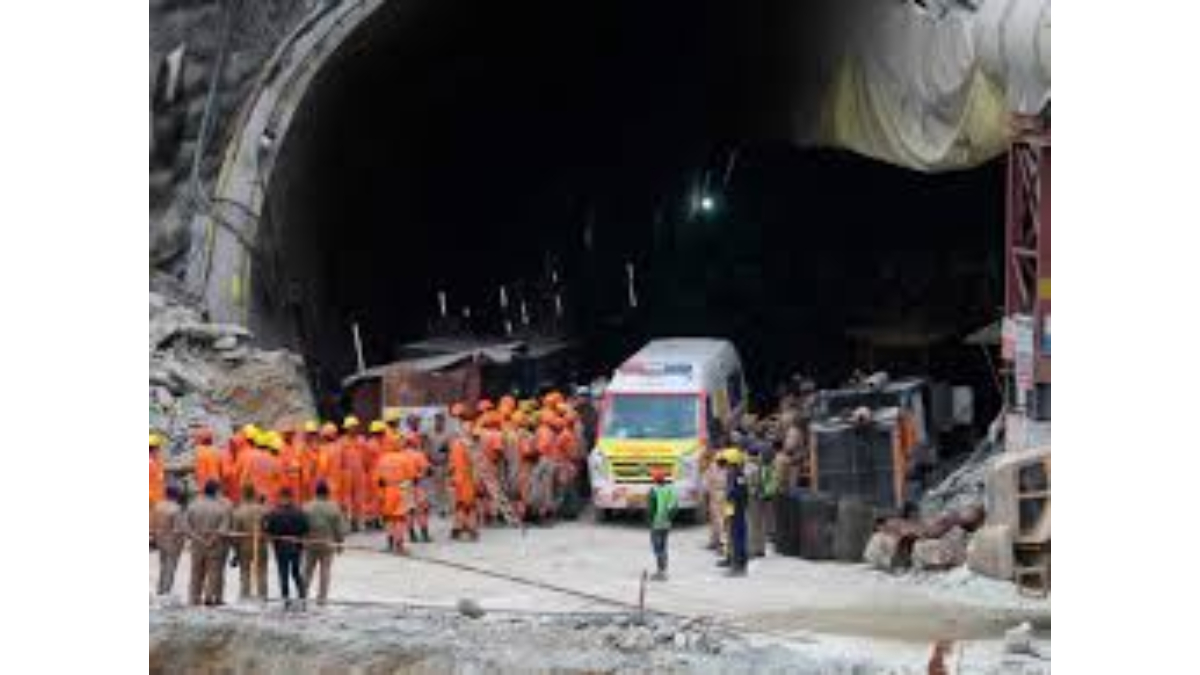
Sikkim tunnel rescue efforts captured nationwide attention after exclusive footage from inside an under-construction tunnel revealed the tense operation that led to the safe evacuation of 16 workers trapped following a landslide. The dramatic visuals showcased rescue personnel navigating hazardous conditions, highlighting the determination and coordination that ultimately brought every worker to safety. The incident has once again raised concerns over worker safety at infrastructure projects in the Himalayan region.
How the Sikkim Tunnel Rescue Unfolded
The incident occurred at an under-construction road tunnel in Sikkim after a landslide blocked the entrance, leaving 16 workers stranded inside. Rescue operations began immediately, with multiple agencies, including the National Disaster Response Force (NDRF), State Disaster Response Force (SDRF), local police, and Fire and Emergency Services, joining forces to reach the trapped workers.
The exclusive footage from inside the tunnel provides a rare glimpse into the dangerous environment faced by rescuers. Narrow passageways, unstable debris, poor visibility, and difficult terrain made the mission extremely challenging. Despite these obstacles, rescue teams continued working tirelessly to establish contact with the trapped workers and create a safe evacuation route.
Exclusive Footage Shows Courage Under Extreme Conditions
The newly released visuals highlight the extraordinary efforts of rescue personnel inside the tunnel. Wearing protective equipment and navigating confined spaces, responders carefully advanced through debris-filled sections while maintaining constant communication with teams stationed outside.
The footage also captures emotional moments as rescuers finally reached the trapped workers. Although exhausted after spending hours inside the blocked tunnel, the workers remained cooperative throughout the evacuation process. One by one, they were guided out through the cleared passage before being shifted to waiting ambulances for medical evaluation.
The successful operation demonstrated the importance of coordinated disaster response and the readiness of emergency teams to deal with complex rescue situations.
Challenges Faced During the Sikkim Tunnel Rescue
The Sikkim tunnel rescue operation became significantly more difficult due to the unstable conditions created by the landslide. Rescue teams reportedly encountered loose rocks, mud accumulation, and concerns over hazardous gases inside portions of the tunnel, forcing responders to proceed with extreme caution.
Authorities equipped rescue personnel with protective gear, including gas masks, while engineers continuously monitored the tunnel’s structural stability. Heavy machinery was deployed where possible, but manual efforts played an equally important role in clearing debris without triggering further collapses.
Officials also maintained medical teams at the site throughout the operation to ensure immediate treatment for both rescued workers and emergency personnel if required.
Workers Receive Medical Attention
Following their rescue, all 16 workers underwent medical examinations as a precaution. Officials stated that the workers appeared stable, though they were monitored for exhaustion, dehydration, and any effects of prolonged exposure inside the tunnel.
Medical teams remained on standby throughout the operation, ensuring quick access to treatment immediately after each worker emerged from the tunnel.
Rescue Agencies Worked Around the Clock
The success of the operation reflected close coordination between multiple government agencies. NDRF personnel, SDRF teams, district administration officials, police officers, firefighters, and technical experts worked continuously despite difficult weather and terrain.
Senior officials supervised the rescue operation from the site, while engineers assessed the safest methods to remove debris without increasing risks for those trapped inside. Continuous communication between responders inside and outside the tunnel proved critical in executing the rescue safely.
The operation also highlighted the importance of specialized disaster-response training in regions prone to landslides and other natural hazards.
Assam Opposition Coordination Bloc Recognized by Assembly Speaker Ahead of Budget Debates
Safety Concerns Return to the Spotlight
The incident has renewed discussions about safety standards at large infrastructure projects in mountainous states such as Sikkim. Experts note that heavy monsoon rainfall, unstable slopes, and fragile geological conditions increase the risk of landslides and tunnel-related accidents.
Authorities are expected to conduct a detailed investigation into the cause of the collapse and review whether existing safety protocols were fully implemented at the construction site. The findings may influence future guidelines for tunnel construction across Himalayan regions.
Infrastructure experts have repeatedly stressed the need for continuous geological monitoring, improved emergency preparedness, and enhanced worker safety measures during large-scale construction projects.
A Rescue That Showcases Human Determination
The successful evacuation of all 16 trapped workers stands as a remarkable example of teamwork, resilience, and professional courage. The exclusive footage from inside the tunnel offers viewers a powerful reminder of the risks undertaken daily by emergency responders who place themselves in danger to save others.
While investigations into the landslide continue, the operation has been widely praised for its efficiency and coordination. For the rescued workers and their families, the outcome represents immense relief after hours of uncertainty. The incident also reinforces the importance of maintaining strict safety standards as infrastructure development continues across India’s challenging Himalayan terrain.