


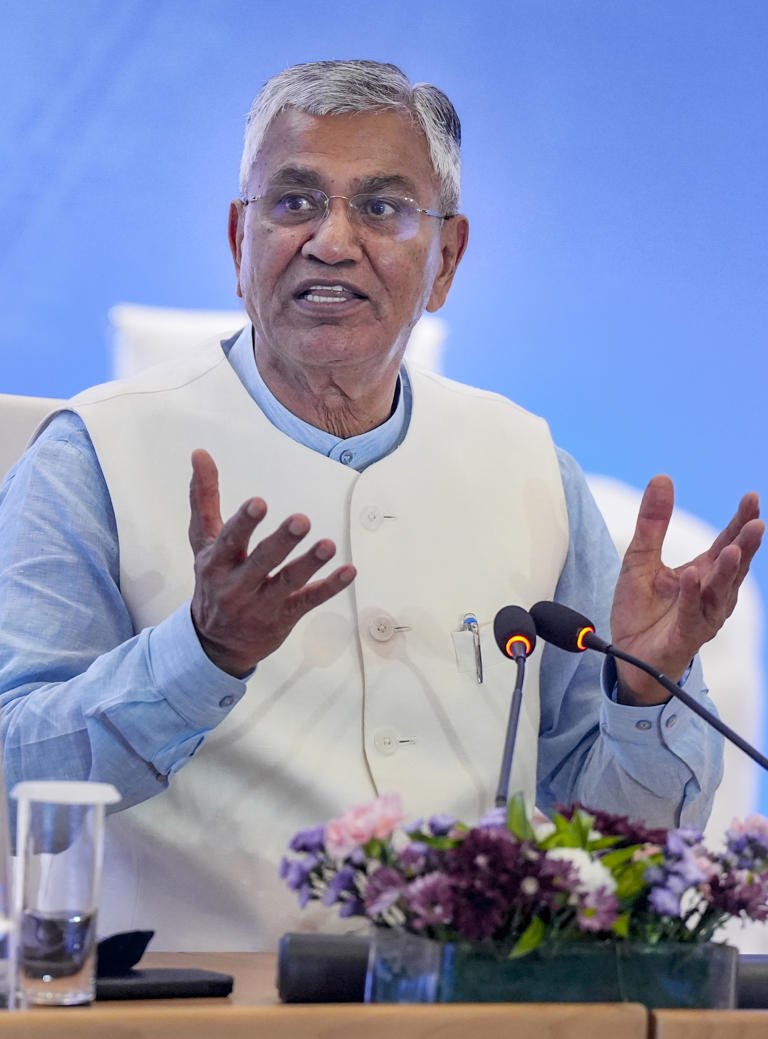
The Election Commission of India (ECI) is fully capable of conducting simultaneous elections across the country under the proposed “One Nation, One Election” (ONOE) framework, provided it receives at least six months’ advance notice, according to P.P. Chaudhary, chairman of the Joint Parliamentary Committee (JPC) examining the proposal. He said the poll body has indicated that it would be operationally prepared to organise nationwide elections if the necessary legal framework is put in place and sufficient preparation time is provided.
Chaudhary’s remarks come as the parliamentary panel continues examining the constitutional amendment bills and related legislation aimed at synchronising Lok Sabha and state assembly elections across India.
Six-Month Preparation Period Considered Sufficient
According to Chaudhary, the Election Commission has informed the committee that six months would be adequate to complete logistical and administrative preparations required for conducting simultaneous elections.
Such preparations would include updating electoral rolls, deploying election personnel, arranging Electronic Voting Machines (EVMs) and Voter Verifiable Paper Audit Trail (VVPAT) units, coordinating security forces, and ensuring smooth polling operations across states and Union Territories. The advance notice would also allow state administrations and other agencies to synchronise election-related arrangements.
The committee believes that proper planning and coordination are essential for implementing a nationwide simultaneous election system.
Framework Aimed at 2029 General Elections
The Joint Parliamentary Committee is working towards establishing the legal and procedural framework required to implement the One Nation, One Election proposal by the 2029 Lok Sabha elections.
Chaudhary said the committee is examining constitutional, legal, and administrative aspects of the proposal before submitting its recommendations. The panel has been consulting constitutional experts, legal scholars, election officials, and other stakeholders to evaluate the feasibility of synchronised elections.
The committee’s recommendations are expected to play a key role in shaping the future of the proposed electoral reform.
Objective of One Nation, One Election
The One Nation, One Election proposal seeks to synchronise elections to the Lok Sabha and all state legislative assemblies so they are held together or within a fixed time frame.
Supporters of the proposal argue that simultaneous elections would reduce election expenditure, minimise frequent enforcement of the Model Code of Conduct, improve administrative efficiency, and reduce the repeated deployment of security personnel and government machinery for elections.
The proposal also aims to allow governments to focus more consistently on governance and development by reducing disruptions caused by frequent electoral cycles.
Constitutional Changes Required
Implementing One Nation, One Election will require significant constitutional and legal amendments.
The proposed legislation seeks to amend several constitutional provisions governing the tenure of Parliament and state legislative assemblies. Certain amendments may also require ratification by at least half of the state legislatures before they can come into force.
The Joint Parliamentary Committee is examining these legal aspects carefully to ensure that any proposed changes remain consistent with India’s constitutional framework and federal structure.
Election Commission’s Role
While the Election Commission has expressed its readiness to conduct simultaneous elections if the law permits, the implementation of the proposal ultimately depends on Parliament approving the necessary constitutional amendments.
As India’s constitutional authority responsible for conducting free and fair elections, the ECI would oversee the planning and execution of the nationwide electoral exercise once the legal framework is finalised. Its responsibilities would include coordinating polling schedules, electoral logistics, personnel deployment, and voter roll management.
The Commission has maintained that it will carry out any election process in accordance with the law enacted by Parliament.
Extensive Consultations Continue
The Joint Parliamentary Committee has been holding consultations with a wide range of stakeholders while reviewing the proposed legislation.
Experts from constitutional law, public administration, election management, and political science have shared their views on the practical, legal, and administrative implications of synchronised elections. The committee is also examining international practices and historical precedents before finalising its report.
According to Chaudhary, the objective is to create a comprehensive framework that addresses operational challenges while safeguarding democratic processes and constitutional principles.
Focus Shifts to Legislative Process
The latest remarks from the Joint Parliamentary Committee chief indicate that the Election Commission considers itself operationally prepared to conduct simultaneous elections with six months’ advance notice, provided the necessary legal provisions are enacted. As deliberations continue, attention now turns to Parliament’s consideration of the constitutional amendments required to implement the One Nation, One Election proposal.
If approved, the reform could fundamentally reshape India’s electoral calendar by synchronising Lok Sabha and state assembly elections, with the framework being developed for possible implementation by the 2029 general elections.