

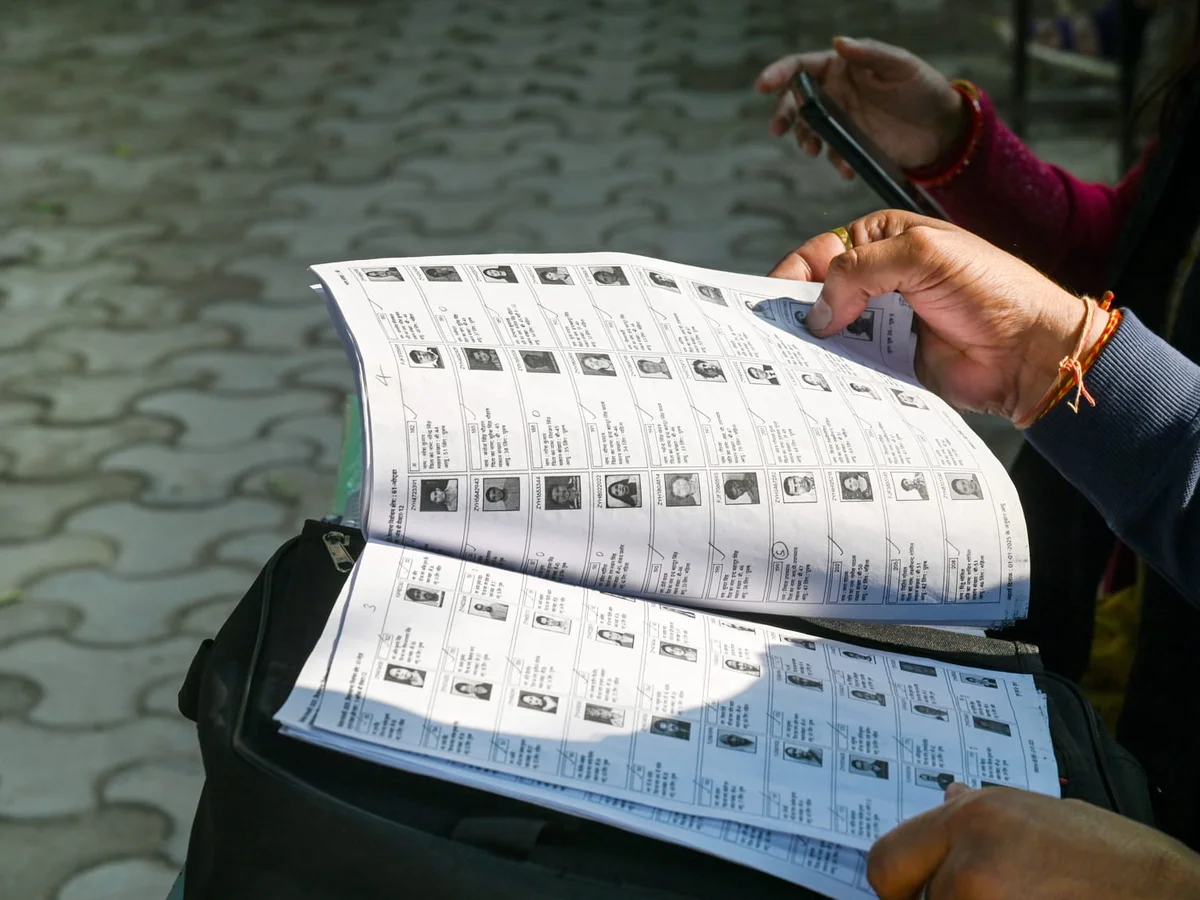
The Election Commission of India has announced a Special Summary Revision (SSR) of electoral rolls across several states and Union Territories ahead of upcoming elections. The exercise aims to include eligible voters, correct existing records and improve the accuracy of electoral rolls. The latest announcement covers Arunachal Pradesh, Mizoram, Sikkim, Odisha, Chandigarh and Dadra and Nagar Haveli and Daman and Diu. Earlier, the Commission had announced a separate revision covering 17 states and Union Territories, including Assam and Manipur. Both exercises use January 1, 2027, as the qualifying date. However, their schedules differ.
Naga Ancestral Remains Set for Historic Homecoming from Oxford
Election Commission Announces New Revision Exercise
The Election Commission announced the latest phase of the Special Summary Revision on November 5, 2026. The exercise will cover four states and two Union Territories.
The states include Arunachal Pradesh, Mizoram, Odisha and Sikkim. Chandigarh and Dadra and Nagar Haveli and Daman and Diu will also participate.
The Commission issued instructions to the respective Chief Electoral Officers. It also directed state and Union Territory administrations to provide adequate staff and resources.
The revision will update existing electoral rolls through additions, corrections and deletions. Consequently, eligible citizens will have an opportunity to check their registration details.
The exercise follows the completion of the Special Intensive Revision in these regions. The Commission is now moving towards the annual summary revision process.
Northeast States Included in the Latest Phase
The latest announcement has particular importance for the Northeast. Arunachal Pradesh, Mizoram and Sikkim will participate in this phase.
These states will update their electoral records ahead of the 2027 qualifying dates. The process will also help young citizens prepare for future voter registration.
However, the latest announcement does not mean that all Northeastern states will follow the same schedule. Different states have entered different stages of electoral roll revision.
Earlier, the Commission announced SSR in 17 states and Union Territories. That group included Assam, Manipur and several other regions.
Meanwhile, Meghalaya, Nagaland, Tripura and other states were among the areas where the Special Intensive Revision was ongoing or had recently concluded. The Commission said it would announce their SSR schedules separately.
Therefore, voters should follow updates from their respective Chief Electoral Officers. The dates for one state may not apply to another.
Draft Voter Lists Scheduled for November 30
The latest revision phase has a separate timetable. The Election Commission has set January 1, 2027, as the qualifying date.
Authorities must complete polling station rationalisation by November 20, 2026. This process involves reviewing and rearranging polling station arrangements where necessary.
The integrated draft electoral rolls will appear on November 30. After publication, voters can examine their details and submit claims or objections.
The claims and objections period will run from November 30 to December 30. Electoral officials must examine the submissions and complete the disposal process by January 18, 2027.
The Commission has scheduled final publication for January 21, 2027.
These dates apply to Arunachal Pradesh, Mizoram, Sikkim, Odisha and the two Union Territories covered by the November announcement.
Earlier Revision Covers Assam and Manipur
The Election Commission announced another SSR exercise on October 15, 2026. That announcement covered 17 states and Union Territories.
The list included Assam and Manipur from the Northeast. It also covered Bihar, Goa, Gujarat, Kerala, Punjab, Rajasthan, Tamil Nadu, Uttar Pradesh and Uttarakhand.
The exercise also included West Bengal, Madhya Pradesh, Chhattisgarh, Puducherry, Lakshadweep and the Andaman and Nicobar Islands.
For this group, the qualifying date is also January 1, 2027. However, the publication and claims schedule differs from the latest phase.
Authorities must complete polling station rationalisation by November 2. The draft electoral rolls are scheduled for publication on November 12.
Voters can submit claims and objections between November 12 and December 11. Officials must dispose of these submissions by December 28.
The final electoral rolls are scheduled for publication on January 4, 2027.
The separate timetable reflects the different stages of the nationwide revision exercise.
Special Summary Revision Focuses on Eligible Voters
The Special Summary Revision aims to update existing electoral rolls. It allows eligible citizens to seek inclusion and request corrections to their personal details.
The process also helps authorities identify entries that require verification. These may involve deceased voters, permanently shifted electors or duplicate registrations.
The Commission has placed particular emphasis on young and first-time voters. Citizens who become eligible on January 1, 2027, can apply for enrolment through the prescribed process.
The Commission has also allowed advance applications for three additional qualifying dates. These are April 1, July 1 and October 1, 2027.
This provision will help prospective voters prepare their applications before reaching the required age. It also aims to make registration more accessible throughout the year.
The Electoral Registration Officer of each Assembly constituency remains responsible for maintaining the relevant electoral roll.
How SSR Differs From Special Intensive Revision
The Special Summary Revision and Special Intensive Revision serve related but different purposes.
SSR updates the existing electoral roll. It allows eligible voters to seek inclusion, correction or other necessary changes through the prescribed procedures.
By contrast, SIR involves a more extensive verification exercise. It focuses on preparing electoral rolls afresh through a detailed revision process.
The Commission has been conducting SIR in different phases across states and Union Territories. This process affected the timing of the annual summary revision.
The latest SSR announcements cover regions where the Commission has completed the relevant intensive revision or decided to use the summary process.
For the current SSR exercises, the Commission has not announced routine house-to-house visits by Booth Level Officers. Instead, the process will rely on the prescribed revision arrangements and voter participation.
Voters Can Check Details and Submit Corrections
The revision gives citizens an opportunity to check their names and personal information. Voters should verify their constituency, polling station and other registration details.
Anyone who finds an error should submit the appropriate application within the announced period. Similarly, eligible citizens missing from the roll can apply for inclusion.
Voters can use the Election Commission’s official voter services portal or approach the relevant election office. They can also seek assistance from designated officials and polling station facilities.
Applicants should provide accurate information and supporting documents wherever required. They should also retain acknowledgement details for submitted applications.
Political parties will receive copies of the draft and final electoral rolls under the Commission’s arrangements. The Commission has also indicated that these copies will be available in readable PDF format.
Electoral Roll Accuracy Ahead of Future Polls
Accurate electoral rolls form an important part of the election process. They help ensure that eligible citizens can exercise their voting rights.
The SSR exercise is particularly relevant for states preparing for elections in 2027. Manipur, Goa, Punjab, Uttar Pradesh and Uttarakhand are among the states expected to hold Assembly elections next year.
The inclusion of Assam and other Northeastern states also supports regular voter registration updates. Meanwhile, the latest phase covers Arunachal Pradesh, Mizoram and Sikkim.
However, the SSR announcement itself does not set election dates. The Election Commission will announce poll schedules separately.
The revision instead focuses on updating the voter database before future electoral exercises.
Conclusion
The Election Commission’s Special Summary Revision programme will update electoral rolls across multiple states and Union Territories. The latest phase includes Arunachal Pradesh, Mizoram and Sikkim, while the earlier phase covers Assam and Manipur.
Both exercises use January 1, 2027, as the qualifying date. However, their draft publication and finalisation schedules differ.
The process will help eligible citizens register, correct errors and verify their voter details. Public participation will remain important for maintaining accurate electoral rolls ahead of upcoming Assembly elections.
FAQs
1. What is the Special Summary Revision of electoral rolls?
It is an exercise to update existing voter lists through new registrations, corrections and other changes.
2. Which Northeastern states are included in the latest SSR announcement?
Arunachal Pradesh, Mizoram and Sikkim are included in the November 5 announcement.
3. Are Assam and Manipur also covered by the revision?
Yes. Both states were included in the separate SSR announcement issued on October 15, 2026.
4. What is the qualifying date for the 2027 revision?
The Election Commission has fixed January 1, 2027, as the qualifying date.
5. When will the latest phase publish its final electoral rolls?
The final rolls for Arunachal Pradesh, Mizoram, Sikkim and the other regions in the latest phase are scheduled for January 21, 2027.
6. Can people who turn 18 later in 2027 apply in advance?
Yes. Advance applications are permitted for the additional qualifying dates of April 1, July 1 and October 1, 2027.