

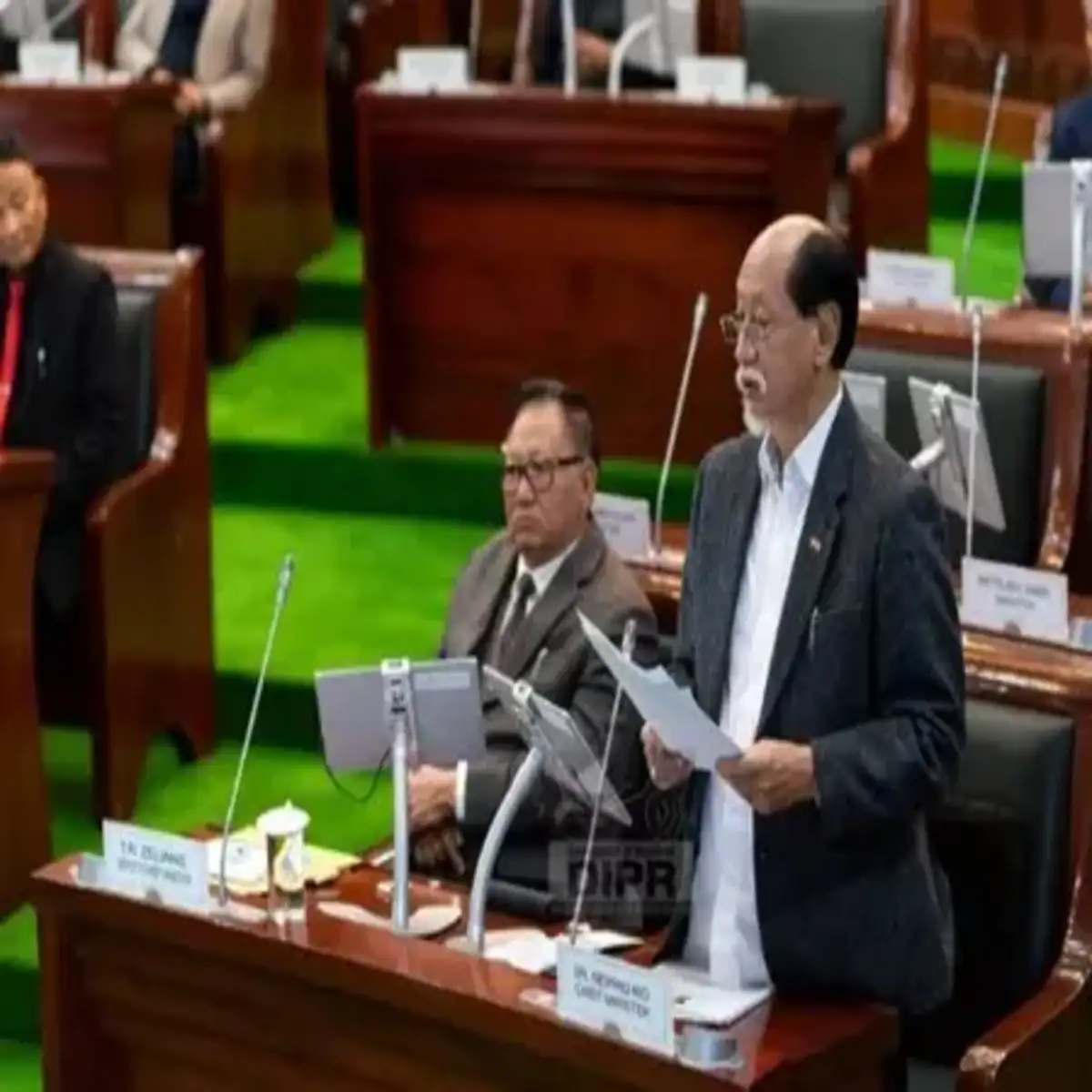
The ENPO FNTA Bill Review has emerged as an important development as the Eastern Nagaland Peoples’ Organisation (ENPO) holds a crucial meeting to examine the legal framework of the new Frontier Nagaland Territorial Authority Bill. The discussion comes amid continuing attention to the proposed administrative arrangement for eastern Nagaland. Moreover, the meeting provides an opportunity to assess the bill’s provisions and their potential implications. Stakeholders are closely watching the process as discussions over autonomy and regional governance continue.
ENPO FNTA Bill Review Examines Legal Provisions
The ENPO FNTA Bill Review focuses on the legal structure of the proposed Frontier Nagaland Territorial Authority. The ENPO has played a central role in discussions surrounding the aspirations of eastern Nagaland and the proposed administrative framework.
Moreover, a detailed review can help stakeholders understand the powers, responsibilities and institutional mechanisms outlined in the legislation.
The organisation’s meeting therefore carries significance as the proposed bill moves through the broader political and legislative process.
Furthermore, examining legal provisions can help identify areas that may require clarification or further discussion. Such scrutiny becomes particularly important when legislation proposes changes to administrative arrangements.
Meanwhile, representatives can consider how the proposed authority could operate within Nagaland’s existing constitutional and administrative framework.
Consequently, the meeting provides an important platform for assessing the legal aspects of the proposed arrangement before further decisions take shape.
Eastern Nagaland Autonomy Remains Central Issue
The ENPO FNTA Bill Review also reflects the wider demand for greater administrative attention to eastern Nagaland. The region has long raised concerns about development, infrastructure, employment opportunities and representation.
Moreover, the FNTA proposal seeks to address these concerns through a distinct administrative framework.
The debate, however, involves more than the creation of an authority. Stakeholders also need to consider how the proposed system would function in practice and how it would coordinate with existing institutions.
Therefore, legal clarity remains essential to the discussion.
Additionally, regional representatives may examine whether the proposed provisions adequately address the expectations of communities across the eastern districts.
Meanwhile, the state government and other stakeholders have an interest in ensuring that any new administrative mechanism maintains effective coordination.
The ENPO meeting consequently forms part of a larger process involving regional aspirations, legislative considerations and constitutional questions.
As discussions continue, the legal framework will remain an important factor in determining how stakeholders assess the proposed authority.
New FNTA Bill Faces Detailed Scrutiny
The ENPO FNTA Bill Review could help stakeholders identify the practical implications of the revised legislation. A careful examination allows representatives to assess the proposed powers and responsibilities of the authority.
Moreover, legal review can highlight how the FNTA could manage development programmes and administrative functions.
Questions about financial powers, institutional responsibilities and coordination with the state government may also form part of wider discussions surrounding the bill.
Furthermore, stakeholders can use such meetings to develop a common understanding of the legislation before the Assembly considers its provisions in greater detail.
However, the precise outcome will depend on the provisions contained in the revised bill and the subsequent legislative process.
Meanwhile, the ENPO’s assessment could contribute to the broader conversation about how the proposed framework should address the needs of eastern Nagaland.
Therefore, the review represents an important step in examining the legislation from a regional perspective.
The process could also help identify areas where stakeholders seek further explanation or amendments.
Legal Review Could Shape Future Discussions
The ENPO FNTA Bill Review comes at a crucial stage for the proposed administrative framework. As the bill receives attention from different stakeholders, legal and constitutional considerations will remain central to the debate.
Moreover, regional organisations can play an important role by examining whether proposed arrangements align with local expectations.
The ENPO meeting can consequently provide a platform for representatives to discuss their observations and determine their next course of action.
Additionally, continued dialogue between regional organisations, the state government and legislators could help address questions surrounding the proposed authority.
Meanwhile, communities across eastern Nagaland are likely to follow developments closely because the FNTA proposal directly relates to their aspirations for governance and development.
However, the legislative process will ultimately determine the future of the bill.
Therefore, detailed scrutiny and constructive consultation can help ensure that the proposed framework receives careful consideration before further decisions.
The ENPO’s review also demonstrates the importance of examining major administrative proposals from both legal and regional perspectives.
Ultimately, the discussions surrounding the FNTA Bill could influence the future governance framework for eastern Nagaland. The coming stages will provide greater clarity about the proposal, its legal structure and the expectations of stakeholders.
Conclusion
The ENPO FNTA Bill Review marks an important stage in discussions over the proposed Frontier Nagaland Territorial Authority. By examining the bill’s legal framework, the ENPO can assess its provisions and their potential implications for eastern Nagaland. Moreover, continued consultation among regional representatives, the state government and legislators can help clarify outstanding issues. The next stages of the legislative process will determine how the proposal progresses.
FAQs
1. What is the ENPO FNTA Bill Review?
It refers to the ENPO’s meeting and examination of the legal framework and provisions of the new Frontier Nagaland Territorial Authority Bill.
2. What is the FNTA Bill about?
The FNTA Bill concerns a proposed administrative framework for eastern Nagaland.
3. Why is the legal review important?
A legal review can help stakeholders understand the proposed authority’s powers, responsibilities and relationship with existing administrative structures.
4. What issues surround the FNTA proposal?
The proposal connects to broader concerns involving regional governance, development, infrastructure, representation and administrative arrangements.
5. Why is the ENPO FNTA Bill Review significant?
The review allows the organisation to examine the proposed legislation from the perspective of eastern Nagaland’s regional aspirations before the legislative process advances further.