


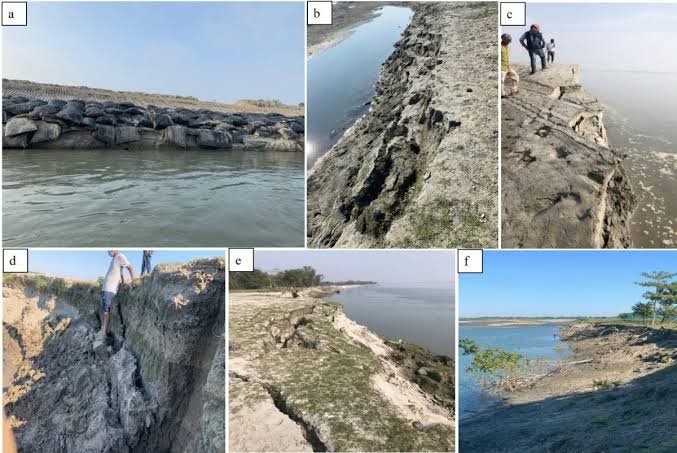
The Erosion in Majuli has intensified as the Brahmaputra continues to erode riverbanks, creating fresh concerns for several historic Vaishnavite monasteries, or Satras, across the island. The situation threatens important cultural and religious landmarks that form a central part of Majuli’s heritage.
The Erosion in Majuli poses both an environmental and cultural challenge. As the Brahmaputra shifts its channels and removes sections of riverbank, vulnerable settlements and heritage sites face increasing pressure.
Majuli has long remained an important centre of Assamese Vaishnavite culture. Moreover, its Satras preserve religious traditions, manuscripts, performing arts, crafts, and historical practices that connect generations with Assam’s cultural heritage.
The latest erosion therefore extends beyond physical land loss. It also raises concerns about the protection of cultural institutions and the communities that maintain them.
Mining Contradiction: CM Sarma Rejects Claims Linking Local Coal Mining to Assam Floods
Erosion in Majuli Intensifies Along Brahmaputra Riverbanks
The Erosion in Majuli has become more serious along vulnerable sections of the Brahmaputra. Riverbank erosion can remove land gradually or accelerate during periods of strong river currents and high water levels.
Moreover, Majuli’s island geography leaves many areas particularly exposed to changes in the Brahmaputra. Consequently, continued erosion can threaten homes, agricultural land, roads, and important cultural sites.
The Satras face particular concern because of their historical and religious significance. Furthermore, several monasteries occupy areas where changes in the riverbank could create long-term risks to their surroundings.
The available information does not identify the exact Satras currently facing the greatest threat or provide measurements of the latest land loss.
Historic Satras Face Growing Risk From Erosion in Majuli
The Erosion in Majuli has placed additional pressure on the island’s historic Vaishnavite institutions. Satras serve not only as religious centres but also as important repositories of Assamese cultural traditions.
Additionally, many Satras support activities involving music, dance, theatre, literature, crafts, and religious learning. Therefore, damage to these institutions could affect both physical heritage and living cultural practices.
Riverbank erosion can also force communities to relocate or modify surrounding infrastructure. Meanwhile, authorities and conservation groups may need to assess vulnerable sites and identify measures that can protect them from further land loss.
The available information does not specify whether any monastery has suffered direct structural damage from the latest erosion. Therefore, the immediate concern centres on the growing threat posed by the advancing riverbank.
Erosion in Majuli Highlights Need for Heritage Protection
The Erosion in Majuli demonstrates the close connection between environmental change and cultural preservation. Protecting Majuli’s Satras requires attention to both riverbank management and the conservation of historic institutions.
Moreover, erosion-control measures can involve technical assessments, riverbank protection structures, vegetation management, and continuous monitoring. Consequently, authorities need to evaluate solutions according to the Brahmaputra’s changing flow patterns and local conditions.
Heritage protection also requires detailed documentation and conservation planning. Furthermore, communities associated with the Satras play an important role in preserving cultural practices while authorities address environmental threats.
Majuli’s experience highlights the challenges faced by heritage sites located in dynamic river environments. Therefore, long-term planning must combine environmental management with cultural preservation.
Conclusion
The Erosion in Majuli has intensified along the Brahmaputra, threatening land and raising concerns for several historic Vaishnavite Satras. The situation highlights the vulnerability of Majuli’s cultural heritage to continuing riverbank changes.
Furthermore, protecting these monasteries will require sustained monitoring, effective erosion-management strategies, and careful heritage conservation. Local communities will also remain important partners in protecting the island’s cultural traditions.
Overall, the Erosion in Majuli represents more than a geographical challenge. It poses a serious concern for Assam’s cultural heritage and reinforces the need for coordinated environmental and conservation efforts.
FAQs
1. What is the latest Erosion in Majuli update?
Riverbank erosion along the Brahmaputra has intensified, threatening several historic Vaishnavite Satras in Majuli.
2. Why are the Satras important?
The Satras serve as important religious and cultural institutions that preserve Assamese Vaishnavite traditions, arts, literature, and heritage.
3. What is causing the erosion in Majuli?
The Brahmaputra’s changing river channels, strong currents, and high-water conditions can contribute to ongoing riverbank erosion.
4. Are the Satras already damaged?
The available information confirms that several Satras face a growing threat but does not specify direct structural damage to individual monasteries.
5. How can Majuli’s heritage sites be protected?
Authorities can combine erosion monitoring, suitable riverbank protection measures, heritage conservation, documentation, and community participation.