

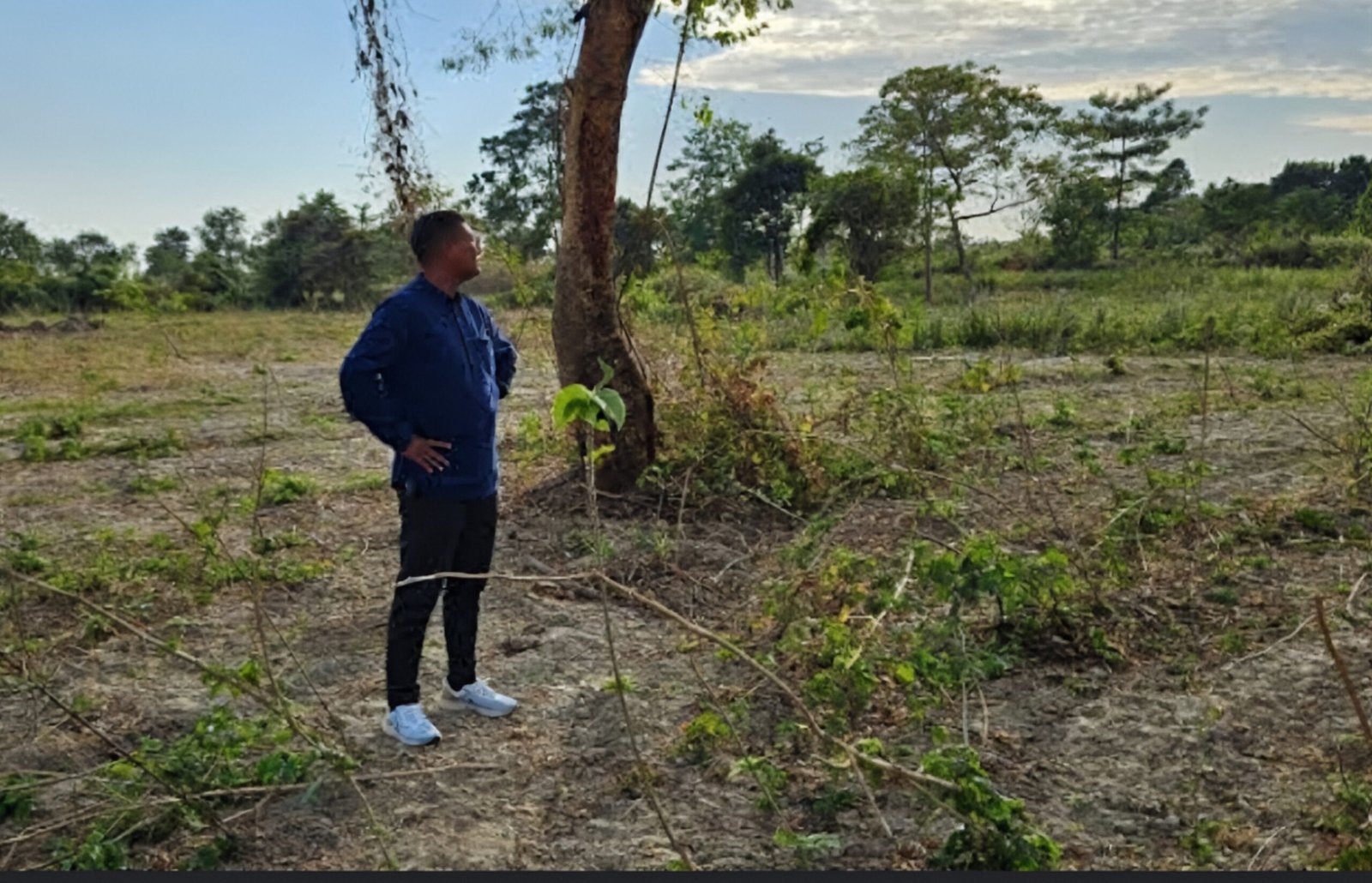
Ex-ULFA cadres transitioning into civilian life reflect one of the most significant social and political transformations in Assam and the broader Northeast. Once part of insurgent outfits such as ULFA, BLT, and NDFB, many former militants are now stepping into new roles as farmers, businessmen, cooperative members, and even politicians. While this shift marks progress in the peace and rehabilitation process, ensuring sustainable livelihoods remains a major challenge.
The Journey from Conflict to Civilian Path
For decades, groups like the United Liberation Front of Asom (ULFA), Bodo Liberation Tigers (BLT), and National Democratic Front of Bodoland (NDFB) shaped insurgency narratives in Assam. Many youths joined these organizations with promises of identity, autonomy, and dignity. However, years of conflict and negotiations with the government led to mass surrenders and peace agreements. As a result, thousands of ex-cadres are now undergoing rehabilitation programs aimed at helping them re-enter society.
Government Rehabilitation Efforts
The state and central governments have designed multiple rehabilitation schemes. These include financial assistance, vocational training, and opportunities in agriculture and small-scale industries. The idea is to transform former insurgents into productive citizens contributing to Assam’s economy and stability.
Farming as a New Beginning
Many ex-ULFA cadres transitioning into civilian life have turned to farming as their primary livelihood. Government support programs provide land leases, seeds, and modern agricultural training. Cooperative farming has gained popularity as groups of ex-cadres pool resources and work collectively. This not only ensures income but also promotes community bonding and reduces chances of relapse into militancy.
From Guerrilla Camps to Green Fields
Several success stories highlight how farming is becoming a reliable livelihood option. Former insurgents, once skilled in guerrilla warfare, are now mastering organic farming, fishery, and poultry farming. In districts like Dibrugarh, Kokrajhar, and Nalbari, such initiatives are providing economic stability and a renewed sense of purpose.
Venturing into Business and Cooperatives
Apart from farming, ex-cadres are venturing into small businesses. Many have opened shops, transport services, and local enterprises. Cooperative societies formed by ex-insurgents are running small-scale industries like weaving, bamboo crafts, and dairy farming. These ventures provide employment not only for former insurgents but also for local communities, strengthening social reintegration.
Challenges in Business Integration
Despite financial assistance, access to markets, lack of business training, and bureaucratic hurdles often slow down progress. Experts believe that capacity-building workshops, mentorship, and access to microfinance are essential to sustain these entrepreneurial initiatives.
Political Participation and Leadership Roles
Another important trend is political participation. Some ex-ULFA cadres transitioning into civilian life have entered local politics, contesting panchayat and municipal elections. Their involvement represents a transition from armed struggle to democratic dialogue. Former leaders of ULFA, BLT, and NDFB have already joined mainstream parties, shaping policy and governance in Assam.
From Insurgency to Policy Advocacy
These political leaders bring unique grassroots perspectives on development, identity, and security issues. Their presence in democratic institutions also ensures that communities previously alienated from governance now have a stronger voice in decision-making.
Social Acceptance and Reintegration
While government policies are important, social acceptance is equally critical. Communities in Assam have shown mixed reactions. While some welcome ex-insurgents back into the fold, others remain wary of their past. Trust-building initiatives such as community service, social work, and youth programs help ease these tensions.
Role of Civil Society and NGOs
Non-governmental organizations are playing a vital role in this reintegration process. They provide skill development, counseling, and psycho-social support. NGOs also act as bridges between ex-cadres and local communities, fostering dialogue and understanding.
Challenges Facing Ex-Cadres
Despite progress, challenges persist. Some former militants struggle with lack of education, absence of technical skills, and limited exposure to the civilian job market. Unemployment and financial insecurity create risks of frustration and marginalization. Without consistent support, the possibility of relapse into anti-social activities cannot be ruled out.
Mental Health and Rehabilitation
Mental health is another overlooked challenge. Years of violence and underground life often leave deep psychological scars. Counseling, therapy, and emotional support must become an integral part of rehabilitation policies. Without addressing these issues, economic programs alone cannot ensure full reintegration.
Impact on Assam’s Peace Process
The shift of ex-ULFA cadres transitioning into civilian life has contributed to a reduction in violence and greater political stability in Assam. The peace dividends are visible in improved development projects, better law and order, and greater public confidence. This transformation is a vital component of Assam’s long journey toward lasting peace and prosperity.
Long-Term Sustainability
Experts emphasize that rehabilitation cannot be a one-time process. It requires long-term planning, continuous monitoring, and adaptive policies. Ensuring sustainable livelihoods, education for ex-cadres’ children, and healthcare support are critical for breaking the cycle of violence permanently.
Read more : Centre Flags Six Hydropower Projects as Vulnerable in Northeast India