

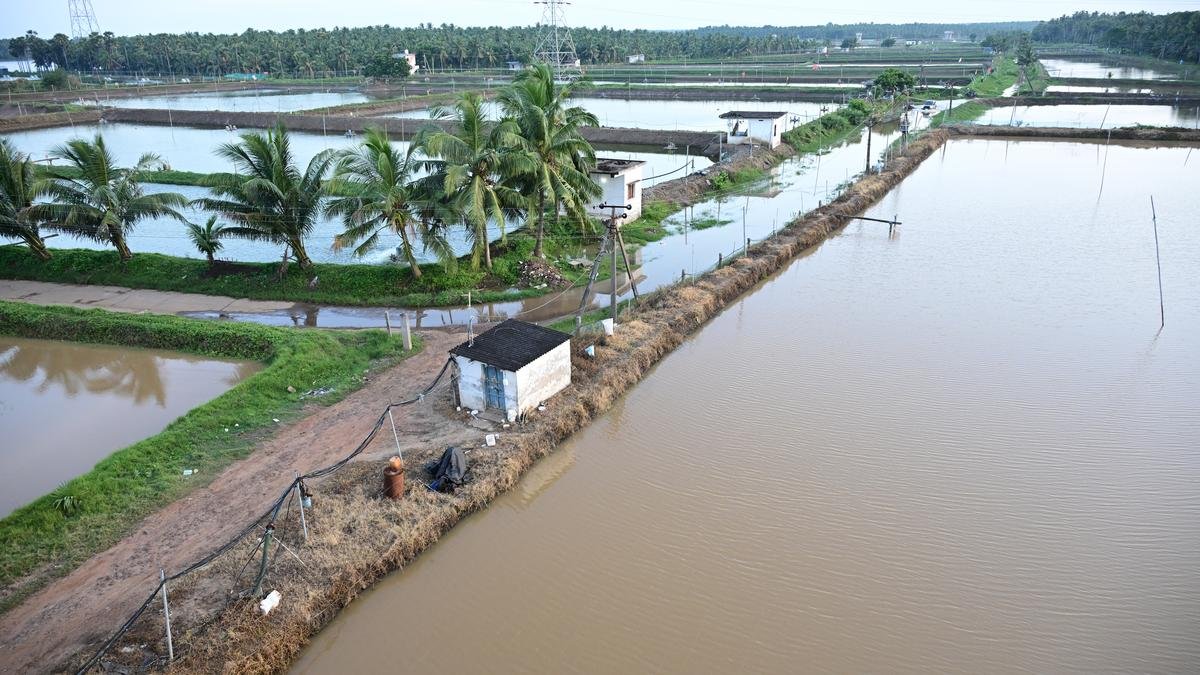
The Fishery Subsidies initiative has provided emergency financial support to fish farmers affected by pond overflows. The state government introduced the package to help affected aquaculture operators manage losses and recover their fishery activities after excess water disrupted pond operations.
Pond overflows can cause fish to escape, damage pond infrastructure, and reduce farmers’ expected production. Moreover, sudden water-related losses can create financial pressure for small and medium-scale fish farmers who depend on aquaculture for regular income.
The emergency package aims to provide relief during this difficult period. However, the available information does not specify the total value of the package, the number of beneficiaries, the districts covered, or the exact eligibility criteria.
Medical Infrastructure: Guwahati Medical College Hospital Opens 50-Bed Japanese Encephalitis Wing
Fishery Subsidies Target Farmers Facing Pond Overflow Losses
The Fishery Subsidies package focuses on fish farmers whose ponds suffered from overflow-related damage.
Excess water can disrupt fish ponds by carrying cultivated fish outside their designated areas. Furthermore, overflowing ponds can damage embankments and other infrastructure needed for aquaculture operations.
The financial assistance can therefore help affected farmers address immediate losses.
However, the available information does not indicate how authorities will calculate individual compensation or assistance.
Fishery Subsidies Could Help Farmers Recover
The Fishery Subsidies package could help affected farmers restart or stabilize their aquaculture operations.
Fish farmers may need to repair damaged pond structures, restore water-management systems, and restock ponds after losses. Additionally, financial assistance can reduce the immediate burden on farmers who may otherwise need to use personal savings or borrow money for recovery.
Timely support can therefore help protect livelihoods.
However, the available information does not specify whether the package covers restocking costs, infrastructure repairs, or both.
Fishery Subsidies Address Aquaculture Risks
The Fishery Subsidies initiative highlights the vulnerability of aquaculture to sudden water-related events.
Fish farming depends on maintaining controlled water levels and suitable pond conditions. Moreover, heavy rainfall and unexpected water inflows can create conditions that farmers cannot always manage without adequate drainage and protective infrastructure.
Emergency assistance can help farmers respond after such events.
However, the available information does not identify the weather or hydrological conditions that caused the reported pond overflows.
Fishery Subsidies Could Support Rural Livelihoods
The Fishery Subsidies package has wider importance because fish farming supports livelihoods in rural communities.
Aquaculture generates income through fish production, trading, processing, and related activities. Furthermore, losses at the farm level can affect local suppliers and markets that depend on regular fish production.
Financial assistance can therefore support both individual farmers and the wider rural economy.
However, the available information does not provide figures on the number of people employed directly or indirectly through the affected fisheries.
Fishery Subsidies May Protect Local Fish Supply
The Fishery Subsidies package could also help maintain local fish production following pond-overflow losses.
If many farmers lose fish stocks simultaneously, local markets could experience reduced supply. Additionally, lower production can create pressure on fish prices if demand remains stable.
Helping farmers restore production could therefore support market stability.
However, the available information does not indicate whether local fish prices have changed following the pond overflows.
Fishery Subsidies Highlight Need for Better Pond Management
The Fishery Subsidies response also draws attention to the importance of resilient fishery infrastructure.
Strong pond embankments, effective drainage, water-level monitoring, and suitable overflow-control measures can reduce the risk of fish escaping during periods of excess water. Moreover, farmers can benefit from technical guidance on managing ponds during extreme weather conditions.
Emergency support can address immediate losses, while preventive measures can reduce future risks.
However, the available information does not specify whether the government has announced additional pond-infrastructure measures.
Fishery Subsidies Could Strengthen Aquaculture Recovery
The Fishery Subsidies package can provide an important recovery mechanism for farmers affected by sudden losses.
Financial assistance can help restore productive capacity and allow farmers to continue participating in the aquaculture sector. Furthermore, timely government support can reduce the period between a damaging event and the resumption of normal fish production.
This can help protect household incomes.
However, the available information does not provide a timeline for distributing the financial assistance.
Fishery Subsidies Require Transparent Distribution
The Fishery Subsidies programme will depend on effective identification of affected farmers and transparent distribution of assistance.
Authorities may need to assess pond damage and verify eligible beneficiaries before releasing financial support. Additionally, clear communication about application procedures can help ensure that affected farmers understand how to access the package.
Transparent implementation can strengthen confidence in the relief programme.
However, the available information does not provide details about the application or verification process.
Fishery Subsidies Could Encourage Resilient Farming
The Fishery Subsidies initiative could also create an opportunity to strengthen resilience within the aquaculture sector.
Farmers may benefit from improved pond designs, drainage systems, water-level controls, and technical training. Moreover, integrating disaster-preparedness measures into fishery programmes can reduce the financial impact of future overflow events.
Long-term resilience can complement emergency financial assistance.
However, the available information does not confirm whether the current package includes any technical or infrastructure support.
Fishery Subsidies Keep Farmer Recovery in Focus
The Fishery Subsidies package places immediate farmer recovery at the centre of the government’s response to pond-overflow losses.
Aquaculture requires continued investment in fish seed, feed, pond maintenance, and equipment. Furthermore, unexpected production losses can disrupt farmers’ planned investment cycles.
Emergency financial assistance can provide temporary support while affected farmers restore their operations.
However, the long-term effectiveness of the package will depend on its coverage, payment speed, and the scale of losses experienced by individual farmers.
Conclusion
The Fishery Subsidies initiative has provided emergency financial support to fish farmers affected by pond overflows. The package aims to help aquaculture operators manage losses and restore their farming activities after excess water disrupted pond operations.
Moreover, timely financial assistance can protect rural livelihoods, support local fish production, and help farmers repair or restart affected operations. However, the available information does not specify the package’s total value, beneficiary count, geographical coverage, eligibility conditions, or distribution timeline.
Overall, the Fishery Subsidies package represents an immediate response to losses faced by fish farmers. Alongside financial relief, stronger pond infrastructure, drainage systems, water management, and disaster-preparedness measures could help reduce similar risks in the future.
FAQs
1. What are the Fishery Subsidies for?
The Fishery Subsidies provide emergency financial support to fish farmers affected by pond overflows.
2. How can pond overflows affect fish farmers?
Overflowing ponds can cause fish losses, damage pond structures, and disrupt normal aquaculture operations.
3. Who can benefit from the package?
The available information indicates that the package targets fish farmers affected by pond overflows, but specific eligibility rules have not been provided.
4. What can financial assistance help farmers with?
Depending on the final scheme guidelines, assistance could support recovery from fish-stock or pond-related losses. Specific eligible expenses have not been announced in the available information.
5. Has the government announced the package amount?
The available information does not specify the total financial value of the emergency package.