

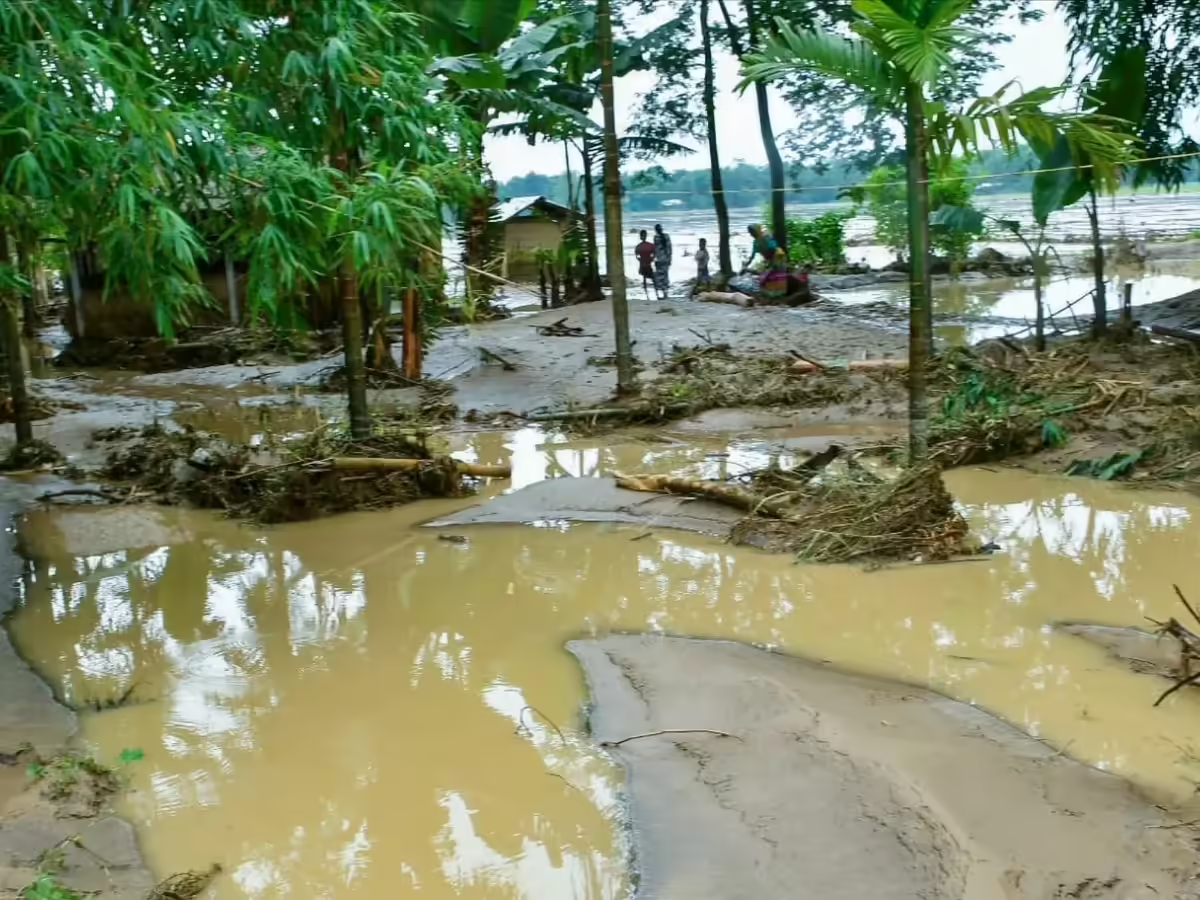
The Assam Flash Floods Cropland crisis has intensified after flash floods submerged more than 3,800 hectares of agricultural land across several parts of the state. Moreover, the flooding has affected standing crops, disrupted farming activities, and raised concerns over agricultural productivity during the ongoing monsoon season. Consequently, state authorities are assessing the extent of the damage while coordinating relief measures and monitoring flood conditions in vulnerable districts.
Northeast Records Over 40% Monsoon Rainfall Deficit in June and Early July
Congress Emerges as Largest Opposition Party in Assam Assembly
Assam Flash Floods Cropland Damage Crosses 3,800 Hectares
The Assam Flash Floods Cropland situation worsened as floodwaters inundated over 3,800 hectares of farmland during the active monsoon season. Furthermore, heavy rainfall and overflowing rivers contributed to the widespread submergence of agricultural fields in affected districts.
Flash floods often develop rapidly following intense rainfall, leaving limited time for preventive action. Consequently, farmers experienced disruptions to cultivation and harvesting activities.
Moreover, local administrations have begun evaluating the extent of crop losses and the condition of affected farmland. Therefore, detailed assessments will help determine the required support measures.
Additionally, authorities continue monitoring rainfall and river levels to track further developments. Thus, preparedness remains a priority in flood-prone regions.
Standing Crops and Farming Activities Affected
The Assam Flash Floods Cropland emergency has impacted standing crops, creating challenges for farmers during a crucial stage of the agricultural season. Furthermore, waterlogged fields have delayed routine farming operations and increased uncertainty regarding crop productivity.
Agriculture in Assam depends heavily on stable monsoon conditions for successful cultivation. Consequently, prolonged flooding can reduce yields and affect rural livelihoods.
Moreover, agricultural officials are working with district administrations to evaluate the condition of damaged crops. Therefore, updated field reports will guide future recovery efforts.
Similarly, farmers are advised to follow official agricultural advisories as weather conditions continue to evolve. Additionally, continuous monitoring supports informed decision-making.
Authorities Assess Damage and Coordinate Response
The Assam Flash Floods Cropland situation has prompted state authorities to carry out damage assessments and coordinate response measures in affected areas. Furthermore, district administrations are gathering information on crop losses, flood-affected villages, and infrastructure conditions.
Timely assessments are essential for planning relief and rehabilitation measures. Consequently, government agencies continue collecting field data to understand the full impact of the flooding.
Moreover, coordination among disaster management teams and agricultural departments supports efficient response efforts. Therefore, authorities remain focused on minimizing disruption to affected communities.
Similarly, local officials continue monitoring vulnerable areas for any changes in flood conditions. Additionally, public cooperation remains important during emergency operations.
Flood Preparedness Remains Essential During Monsoon
The Assam Flash Floods Cropland incident highlights the importance of flood preparedness and effective disaster management during the peak monsoon season. Furthermore, weather agencies continue issuing rainfall forecasts while authorities monitor river levels across the state.
Early warning systems and coordinated emergency planning help reduce the impact of flash floods on communities and agriculture. Consequently, timely advisories enable residents and farmers to prepare for changing conditions.
Moreover, improved flood management strategies can strengthen long-term resilience in vulnerable districts. Therefore, continued investment in disaster preparedness remains essential.
Similarly, sustainable water management and climate-resilient agricultural practices can help reduce future risks. Additionally, community awareness plays a key role in improving emergency response.
Conclusion
The Assam Flash Floods Cropland situation has resulted in the submergence of more than 3,800 hectares of agricultural land, affecting farming activities and raising concerns about crop productivity during the ongoing monsoon. Moreover, authorities are conducting damage assessments while monitoring flood conditions across affected districts.
Furthermore, coordinated relief efforts, continuous weather monitoring, and timely agricultural advisories will remain important as the state responds to the flooding. Consequently, effective disaster management and long-term resilience planning will be crucial in supporting affected farming communities.
Looking ahead, stronger flood preparedness, improved water management, and climate-resilient agricultural practices will help reduce the impact of future Assam Flash Floods Cropland incidents and safeguard rural livelihoods.
FAQs
1. What caused the Assam Flash Floods Cropland damage?
Heavy monsoon rainfall and rising river levels triggered flash floods that submerged agricultural land.
2. How much cropland was affected?
More than 3,800 hectares of cropland were reported to be under floodwaters.
3. How are the floods affecting farmers?
The flooding has damaged standing crops, delayed farming activities, and created uncertainty over agricultural production.
4. What actions are authorities taking?
State authorities are assessing crop damage, monitoring flood conditions, and coordinating relief and response measures.
5. Why is the Assam Flash Floods Cropland situation significant?
It highlights the impact of monsoon flooding on agriculture, emphasizes the importance of disaster preparedness, and underscores the need for long-term flood resilience.