


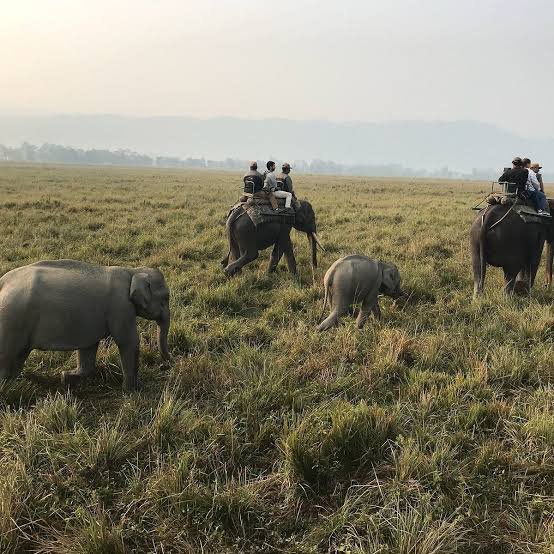
The Assam government has reportedly approved the addition of 403.62 square kilometres of forest land to strengthen protected forest coverage and wildlife conservation infrastructure across the state. The decision represents a major expansion of the state’s conservation landscape.
The move could provide greater protection for forest ecosystems and wildlife habitats while strengthening Assam’s broader conservation network. Moreover, expanding protected areas can support biodiversity preservation, ecological connectivity, and long-term habitat management.
The government will now need to implement the decision through appropriate forest and administrative procedures.
Walking Out of Unity Talks: Pradyut Bordoloi Exit Exposes Tensions in Assam Opposition Alliance
Assam Approves Major Forest Expansion
The Assam forest expansion will add 403.62 sq km to the state’s protected forest land, according to the information provided.
The expansion could increase the area receiving formal protection and strengthen conservation planning. Furthermore, larger protected landscapes can provide wildlife with additional habitat and reduce fragmentation.
The decision marks a substantial step in Assam’s ongoing forest conservation efforts.
Wildlife Conservation Infrastructure Gets Boost
Protected forests provide an important foundation for wildlife conservation.
Expanding protected land can allow authorities to establish or strengthen patrol networks, habitat-management programmes, monitoring systems, and other conservation infrastructure. Additionally, larger protected landscapes can improve the effectiveness of wildlife protection measures.
The actual benefits will depend on how authorities manage and monitor the newly protected areas.
Larger Forests Can Support Biodiversity
Assam contains diverse forest ecosystems supporting numerous species.
Additional protected land can help preserve habitats for mammals, birds, reptiles, and plant species. Moreover, maintaining larger connected forest landscapes can support ecological processes and wildlife movement.
The expansion could therefore contribute to biodiversity conservation beyond individual protected areas.
Ecological Connectivity Remains Important
Forest fragmentation can isolate wildlife populations and disrupt natural movement.
Adding protected forest land can potentially strengthen connections between existing forest landscapes. Furthermore, ecological corridors can allow animals to move between habitats while reducing pressure on isolated populations.
Authorities will need detailed ecological assessments to determine how the newly protected land contributes to connectivity.
Local Communities Remain Important
Forest expansion can also affect communities living near or within forest landscapes.
Authorities need to consider traditional livelihoods, access to resources, settlement patterns, and existing rights while implementing conservation measures. Additionally, meaningful engagement with local communities can help reduce conflicts and improve conservation outcomes.
A balanced approach can strengthen both environmental protection and community participation.
Conservation Requires Long-Term Management
Simply adding land to a protected category does not guarantee successful conservation.
Authorities must provide adequate funding, trained personnel, monitoring systems, and enforcement mechanisms. Moreover, effective management can help address threats such as habitat degradation, illegal logging, poaching, and encroachment.
The next phase of implementation will therefore remain crucial.
Forest Protection Can Strengthen Climate Resilience
Forests provide important environmental services beyond wildlife habitat.
They store carbon, regulate water systems, protect soil, and support local ecological stability. Furthermore, healthy forests can help landscapes cope with climate-related pressures such as extreme rainfall, drought, and changing temperatures.
The expansion could therefore provide broader environmental benefits.
Assam Strengthens Conservation Network
Assam has long played an important role in India’s wildlife conservation efforts.
Its protected landscapes support iconic species and diverse ecosystems. Additionally, expanding protected forest coverage can complement existing national parks, wildlife sanctuaries, reserves, and forest areas.
The new addition could strengthen the state’s overall conservation network.
Monitoring Will Determine Success
Authorities will need to establish effective monitoring mechanisms across the newly protected land.
Forest officials can use field patrols, satellite imagery, geographic information systems, and wildlife monitoring programmes to track changes. Moreover, regular assessments can help authorities identify emerging threats and respond quickly.
Technology and local participation can work together to strengthen protection.
What Happens Next?
The government will need to complete the administrative and field-level processes associated with the forest expansion.
Authorities may identify boundaries, update official records, establish management plans, and strengthen conservation infrastructure. Additionally, consultations with affected communities and stakeholders could help ensure smoother implementation.
The long-term conservation value will depend on how effectively these steps are carried out.
Conclusion
The Assam forest expansion marks a significant conservation decision, with the state government reportedly approving the addition of 403.62 sq km of protected forest land. The move could strengthen wildlife habitats, improve ecological connectivity, and expand the state’s conservation infrastructure.
Moreover, larger protected landscapes can support biodiversity and provide important environmental benefits. At the same time, authorities must combine the expansion with adequate funding, scientific management, effective monitoring, and consideration of community rights.
Overall, the 403.62 sq km forest addition represents a major opportunity to strengthen Assam’s long-term wildlife and ecosystem protection.
FAQs
1. How much forest land has Assam approved for addition?
The state government has reportedly approved an addition of 403.62 square kilometres of protected forest land.
2. Why is the expansion important?
It could strengthen wildlife habitats, biodiversity protection, ecological connectivity, and conservation infrastructure.
3. Will the new protected areas need additional infrastructure?
Yes. Effective protection can require patrol facilities, monitoring systems, trained personnel, habitat-management programmes, and other conservation resources.
4. Could local communities be affected?
Potentially. Authorities may need to consider existing land rights, livelihoods, access to resources, and settlement patterns during implementation.
5. What happens after approval?
Authorities would generally need to complete boundary identification, update records, develop management arrangements, and implement the necessary conservation measures.