

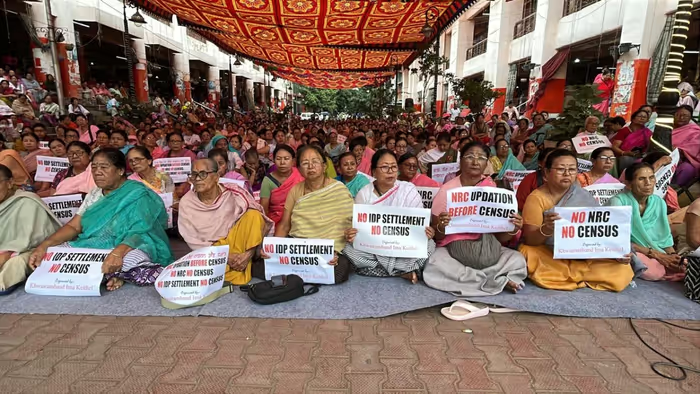
Protesters in Manipur have reportedly initiated a total blockade and boycott of State and Central government offices from August 20, escalating their campaign over ongoing political and administrative demands. The action could disrupt routine government functioning across affected areas.
The office boycott represents a significant escalation from road demonstrations and public protests. Moreover, restricting access to government offices can affect administrative services, official meetings, and interactions between citizens and government departments.
However, the extent of the disruption and the number of offices affected may vary by location.
Niketu Iralu Dies at 80s, Leaving a Powerful Peace Legacy in Nagaland
Government Offices Face Blockade
The Manipur government office boycott reportedly began on August 20 as protesters intensified their campaign.
The blockade targets both State and Central government offices, potentially preventing employees and members of the public from accessing administrative facilities. Furthermore, prolonged restrictions could delay routine government work and public services.
Officials will need to monitor the situation while maintaining essential administrative functions.
State and Central Offices Targeted
The reported action covers government offices operating under both State and Central authorities.
This broad scope could increase the impact of the protest because residents often depend on different departments for certificates, documentation, welfare services, and other administrative needs. Additionally, government employees may face difficulties reaching their workplaces.
The practical impact will depend on participation levels across different districts.
Protest Marks Escalation
The office boycott follows broader demonstrations and disruptions connected with the protesters’ demands.
Moving from public demonstrations to a government-office blockade increases pressure on authorities to respond. Moreover, the tactic directly affects administrative operations rather than only public transportation or commercial activity.
Authorities may therefore face additional pressure to open dialogue with protest representatives.
Public Services Could Face Delays
Government offices provide numerous services to citizens.
A prolonged boycott could delay applications, documentation, payments, welfare-related processes, and other administrative work. Furthermore, people travelling from distant areas could face difficulties if they arrive at closed or inaccessible offices.
Authorities may need to identify essential services that require continued operation.
Essential Services Need Protection
Not every government function can simply stop during a protest.
Emergency administration, healthcare coordination, disaster response, and other critical functions may require uninterrupted access. Additionally, authorities may need alternative arrangements to ensure that urgent public needs receive attention.
Maintaining essential services should remain a priority throughout the disruption.
Employees Could Face Difficulties
Government employees may also encounter challenges during the blockade.
Workers could face restricted access to offices or transportation difficulties. Moreover, departments may experience reduced staffing, affecting their ability to process routine work.
Departments may need contingency arrangements if the boycott continues.
Economic Activity Could Be Affected
Government offices support economic activity through permits, payments, registrations, procurement, and other administrative processes.
Delays in these services can affect businesses and individuals waiting for official approvals. Furthermore, reduced movement around government complexes can affect nearby shops and service providers.
The wider economic impact will depend on the duration of the blockade.
Authorities Face a Law-and-Order Challenge
The blockade creates an additional challenge for security and administrative authorities.
Officials must maintain public order while managing access to government facilities. Additionally, authorities may need to prevent confrontations between protesters, employees, and members of the public.
A measured approach could help prevent the situation from escalating.
Dialogue Could Help Resolve the Dispute
Negotiations between protesters and government representatives could provide a pathway toward de-escalation.
Authorities can use dialogue to understand the specific demands behind the blockade and explain their position. Moreover, transparent communication could reduce uncertainty among government employees and residents.
A peaceful resolution would help restore normal administrative activity.
Impact Will Depend on Duration
The longer the boycott continues, the greater its potential impact on government operations.
Short disruptions may cause temporary delays, while prolonged blockades could create administrative backlogs. Furthermore, residents may face increasing difficulties accessing time-sensitive services.
Authorities will therefore need to assess the situation continuously.
What Happens Next?
Government departments will likely monitor attendance, office access, and the availability of essential services as the protest develops.
Officials may engage with protest representatives to seek a resolution while arranging alternative mechanisms for urgent administrative work. Additionally, authorities may issue public advisories regarding office operations and service availability.
The next steps will depend on the protesters’ response and government negotiations.
Conclusion
The Manipur government office boycott beginning August 20 represents a significant escalation in the ongoing protest campaign. By targeting State and Central government offices, protesters are seeking to increase pressure on authorities while disrupting routine administrative operations.
Moreover, the blockade could affect public services, government employees, businesses, and citizens who depend on administrative facilities. At the same time, authorities must protect essential services and manage the situation without unnecessary escalation.
Overall, the Manipur office blockade makes dialogue and a peaceful resolution increasingly important as the protest continues.
FAQs
1. When did the government office boycott begin?
The reported blockade and boycott began on August 20.
2. Which offices are being targeted?
Protesters are reportedly targeting State and Central government offices across Manipur.
3. Why could the boycott affect residents?
Government offices provide documentation, welfare, administrative, and other public services, which could face delays during a prolonged blockade.
4. What challenges do authorities face?
Authorities need to maintain public order, protect essential services, and manage access to government facilities while respecting peaceful protest.
5. Could the disruption continue?
The duration depends on developments between protesters and authorities and whether negotiations address the underlying demands.