


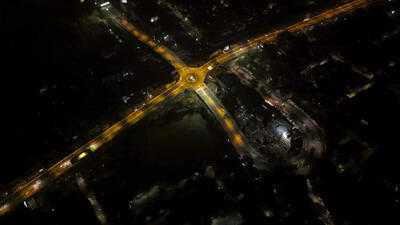
The newly inaugurated Maharaj Prithu flyover in Guwahati was initially celebrated as a major infrastructure milestone aimed at reducing the city’s chronic traffic congestion. Opened on March 10, the 4.5-kilometre elevated corridor connecting Noonmati to Dighalipukhuri promised smoother travel, reduced commute times, and improved urban mobility.
However, within weeks of its inauguration, the flyover has begun to face criticism over traffic design challenges that are impacting its efficiency. While the project has undoubtedly improved connectivity, commuters and experts have pointed out several structural and planning concerns that need urgent attention.
Read More: NGT Cracks Down on Illegal Groundwater Extraction in Guwahati
A Promising Start for Urban Mobility
The launch of the Maharaj Prithu flyover marked a significant step forward in addressing traffic issues in Guwahati. With increasing vehicle numbers and limited road space, the city has long struggled with congestion, particularly during peak hours.
The flyover was designed to ease traffic flow along one of the busiest corridors. By providing an elevated route, it aimed to reduce pressure on ground-level roads and ensure faster movement of vehicles.
Initially, many commuters reported shorter travel times and a smoother driving experience. The project was widely appreciated as a long-awaited solution to the city’s growing traffic demands.
Emerging Traffic Design Challenges
Despite its potential, the Guwahati flyover traffic challenges have become evident soon after its opening. One of the primary concerns is related to entry and exit points, which some users describe as poorly planned.
At several locations, merging traffic from the flyover with ground-level roads has created bottlenecks. Vehicles often slow down abruptly, leading to congestion at key junctions. This issue is particularly noticeable during peak hours when traffic volume is high.
Additionally, the absence of adequate signage and lane markings has added to the confusion. Drivers unfamiliar with the route may struggle to navigate the flyover efficiently, increasing the risk of traffic disruptions.
Bottlenecks at Key Intersections
Traffic experts have highlighted that the design of connecting roads plays a crucial role in the success of any flyover. In the case of the Maharaj Prithu flyover, certain intersections near Noonmati and Dighalipukhuri are experiencing increased congestion.
The narrowing of lanes at exit points forces vehicles to slow down, creating a ripple effect on traffic flow. As a result, the benefits of the elevated corridor are partially offset by delays at these critical junctions.
Moreover, ground-level traffic has not reduced as expected in some areas. Instead, congestion has shifted to new points, indicating the need for a more integrated traffic management plan in Guwahati.
Commuter Concerns and Feedback
Daily commuters have been quick to voice their concerns about the flyover’s design. While many acknowledge the improvement in connectivity, they also point out the practical challenges they face.
Some drivers have reported sudden lane changes and unclear directions, which can lead to confusion and even minor accidents. Others have noted that traffic congestion at entry ramps reduces the overall effectiveness of the flyover.
Public feedback suggests that while the infrastructure itself is impressive, better planning and execution of traffic flow mechanisms are needed to maximize its benefits.
Need for Better Traffic Management
Addressing the Guwahati flyover traffic challenges requires a comprehensive approach to traffic management. Experts recommend the installation of clear signage, proper lane demarcation, and real-time traffic monitoring systems.
Traffic police presence at key points can also help regulate vehicle movement and prevent bottlenecks. By guiding drivers and managing congestion, authorities can improve the overall efficiency of the flyover.
In addition, synchronizing traffic signals at nearby intersections can ensure smoother transitions between the flyover and ground-level roads. Such measures can significantly enhance traffic flow.
Urban Planning and Infrastructure Lessons
The issues faced by the Maharaj Prithu flyover highlight broader challenges in urban planning. Infrastructure projects must consider not only construction but also integration with existing road networks.
In rapidly growing cities like Guwahati, traffic patterns are complex and constantly evolving. Effective planning requires detailed analysis, simulation, and stakeholder consultation.
The current situation underscores the importance of adopting a holistic approach. Future projects can benefit from lessons learned, ensuring that design and execution align with real-world conditions.
Authorities Respond to Concerns
Authorities in Guwahati have acknowledged the challenges and indicated that corrective measures are being considered. Officials have stated that adjustments to traffic management plans may be implemented based on feedback.
Possible solutions include redesigning certain entry and exit points, improving signage, and deploying additional personnel to manage traffic. These steps aim to address immediate concerns while enhancing long-term functionality.
Balancing Progress with Practicality
The Maharaj Prithu flyover remains a significant addition to Guwahati’s infrastructure. It represents progress in tackling urban congestion and improving connectivity.
However, the current challenges highlight the need to balance ambitious projects with practical considerations. Ensuring that infrastructure delivers its intended benefits requires continuous evaluation and improvement.
The Road Ahead
As Guwahati continues to expand, the demand for efficient transportation systems will only increase. The experience with the Maharaj Prithu flyover provides valuable insights for future developments.
In conclusion, while the flyover has brought positive changes, addressing its traffic design challenges is essential for maximizing its impact. With timely interventions and effective planning, it can still fulfill its promise of easing congestion and enhancing mobility in the city.
Read More: Congress Names Star Campaigners for Tripura Bypoll