


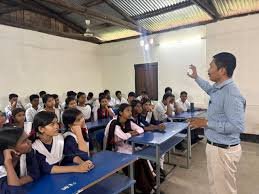
Guwahati Water Quality Testing gained public attention after students participated in community outreach programs focused on monitoring and testing water quality across several important water bodies in the city. The initiative combined environmental awareness, scientific learning, and civic participation as students carried out hands-on testing activities to assess local water conditions.
Meanwhile, educators and environmental experts praised the initiative for encouraging practical environmental education and community engagement among young participants. Furthermore, the outreach program highlighted growing concerns regarding water pollution, urban waste management, and ecological sustainability in Guwahati.
Chief Minister Reviews Zubeen Kshetra Development Works
Manipur Solar Expansion Marks Major Energy Shift
Students Participate In Environmental Outreach Activities
Students from educational institutions in Guwahati actively joined field-based outreach programs aimed at studying local water quality conditions. According to organizers, participants collected water samples from rivers, ponds, wetlands, and urban drainage channels across different locations in the city.
Meanwhile, trained instructors guided students through scientific testing procedures involving pH levels, turbidity, dissolved oxygen, and contamination indicators. Several participants stated that the initiative helped them understand environmental challenges beyond classroom learning.
The Guwahati Water Quality Testing campaign therefore emerged as both an educational and awareness-driven initiative. Consequently, organizers expect increased youth participation in future environmental monitoring projects.
Hands-On Learning Encourages Scientific Awareness
Teachers and environmental coordinators emphasized the importance of practical scientific learning during the outreach activities. Students reportedly used portable testing kits and observation techniques to analyze water quality conditions in real time.
Meanwhile, experts noted that field-based environmental education can improve awareness regarding pollution, conservation, and sustainable resource management. Several educators additionally stated that hands-on scientific activities help students develop stronger problem-solving and observational skills.
Authorities and academic institutions therefore encouraged similar educational programs connected to climate awareness, biodiversity protection, and environmental science.
Concerns Over Urban Water Pollution Highlighted
The Guwahati Water Quality Testing initiative also drew attention to increasing concerns surrounding urban water pollution in the city. Environmental experts stated that rapid urbanization, waste disposal issues, and sewage discharge continue affecting local water bodies.
Meanwhile, participants observed visible pollution indicators in certain locations, including plastic waste accumulation and murky water conditions. Several environmental activists additionally stressed the need for stronger public awareness regarding water conservation and pollution prevention.
Experts warned that polluted water bodies can negatively affect public health, aquatic ecosystems, and long-term environmental sustainability. Consequently, conservation groups urged authorities to strengthen pollution control and waste management systems across Guwahati.
Educational Institutions Promote Civic Responsibility
Schools, colleges, and environmental organizations supporting the initiative described the program as an important exercise in civic engagement and public responsibility. According to coordinators, students not only learned scientific methods but also gained understanding of community-driven environmental protection.
Meanwhile, several institutions encouraged students to share findings and awareness messages within local neighborhoods and social groups. Organizers additionally planned discussions on water conservation practices, waste reduction, and ecological responsibility.
The outreach effort therefore combined academic learning with practical public awareness activities aimed at strengthening environmental citizenship among youth.
Experts Stress Need For Sustainable Water Management
Environmental researchers and water management specialists highlighted the importance of regular monitoring of urban water bodies. Experts stated that community participation can support broader conservation efforts and improve public understanding of environmental risks.
Meanwhile, specialists recommended stronger coordination between educational institutions, municipal authorities, and environmental agencies for long-term monitoring programs. Several experts additionally stressed the importance of scientific data collection in identifying pollution trends and ecological threats.
Authorities may therefore consider expanding citizen-led environmental initiatives and awareness campaigns in the future.
Community Participation Gains Momentum
Local residents and community organizations welcomed the student-led outreach activities and praised the focus on environmental responsibility. Several citizens stated that involving young people in ecological projects can encourage broader public participation in conservation efforts.
Meanwhile, social media users shared images and updates from the water testing activities, increasing awareness regarding local environmental conditions. Community volunteers additionally expressed interest in participating in future river cleaning and wetland protection drives.
Observers noted that environmental outreach programs often create stronger connections between academic institutions and local communities. As a result, the initiative received positive reactions from educators, environmental groups, and civic organizations.
Water Bodies Remain Critical To Urban Ecology
Environmental experts emphasized that rivers, wetlands, ponds, and drainage systems play a major role in maintaining urban ecological balance. Guwahati’s growing population and expanding infrastructure have increased pressure on natural water systems in recent years.
Meanwhile, researchers warned that declining water quality can affect biodiversity, public sanitation, and long-term water availability. Several conservationists therefore called for stronger environmental planning and sustainable urban development policies.
The Guwahati Water Quality Testing initiative also highlighted the importance of involving younger generations in environmental monitoring and awareness-building activities.
Future Environmental Programs May Expand
Organizers indicated that similar outreach initiatives may continue in schools and colleges across Assam. Furthermore, educational institutions are reportedly exploring partnerships with environmental agencies and research groups for future projects.
Several experts additionally recommended introducing regular citizen science programs connected to water conservation, air quality monitoring, and biodiversity assessment. Consequently, environmental education may become more practical and community-oriented in the coming years.
Authorities and environmental groups also stressed that long-term ecological protection requires public cooperation, scientific awareness, and responsible civic behavior.
Conclusion
Guwahati Water Quality Testing highlighted the growing role of students in environmental awareness and community outreach activities across the city. Furthermore, the initiative combined scientific learning with civic participation while drawing attention to concerns surrounding water pollution and urban ecological sustainability. As educational institutions continue promoting environmental engagement, similar programs may strengthen public awareness and conservation efforts in Assam.
FAQs
What was the purpose of the water testing initiative?
The initiative aimed to educate students about environmental science while assessing water quality in Guwahati’s water bodies.
What is the focus keyphrase of this topic?
Guwahati Water Quality Testing is the focus keyphrase related to the outreach program.
What activities did students perform?
Students collected water samples and conducted tests involving pH levels, turbidity, and contamination indicators.
Why is water quality monitoring important?
Water quality monitoring helps identify pollution, protect ecosystems, and support public health awareness.
Which water bodies were included in the initiative?
Students tested rivers, ponds, wetlands, and urban drainage channels across Guwahati.
How did the community respond to the program?
Residents, educators, and environmental organizations welcomed the initiative and praised student participation.