

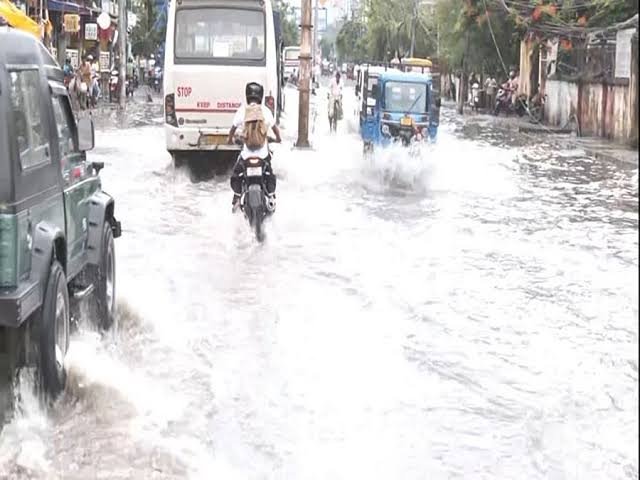
Guwahati Zoo Road bottlenecks have again become a major concern after rain caused extensive waterlogging across the busy corridor. A September 3 downpour left Zoo Road and several adjoining areas inundated, while traffic congestion spread across important routes.
The disruption highlighted Guwahati’s recurring drainage challenges during intense rainfall. Moreover, commuters faced delays as vehicles moved slowly through waterlogged stretches and congestion built up across connecting roads.
Pakyong Light Vehicle Access Allowed as Routes Remain Under Strict Surveillance
Guwahati Zoo Road Bottlenecks Worsen After Heavy Rain
A brief spell of rain on September 3 caused waterlogging in several parts of Guwahati, including Zoo Road, Hatigaon, Wireless and GS Road. Roads began accumulating water shortly after the afternoon showers, disrupting normal movement across several neighbourhoods.
Zoo Road remained among the affected corridors as rainwater accumulated on road stretches. Consequently, motorists had to reduce their speed while navigating the inundated sections, adding to delays during busy hours.
The impact extended beyond Zoo Road itself. Traffic congestion was particularly reported along the Khanapara–Science Museum corridor, while vehicles faced slow movement on several connecting roads. Therefore, waterlogging in one part of the city contributed to wider traffic pressure.
The latest incident also reinforced concerns about Guwahati’s recurring urban flooding problem. Although individual rainfall events vary in intensity, repeated water accumulation on major roads continues to affect commuters and businesses during the rainy season.
Waterlogging Disrupts Traffic Across Arterial Roads
Guwahati has repeatedly experienced traffic disruption when intense rainfall overwhelms roads and drainage networks. In April 2026, heavy overnight rain caused widespread flooding across areas including Zoo Road, Chandmari, Nabin Nagar, Hatigaon and Beltola Survey. Several roads became submerged, leaving vehicles stranded and causing major congestion.
Similarly, heavy rain in August affected Zoo Road and several surrounding localities. Reports from August 20 said Hatigaon, Anil Nagar, Zoo Road, Down Town and Wireless experienced significant waterlogging, while traffic and daily activities were disrupted.
The repeated incidents show that the problem extends beyond a single rainfall event. Furthermore, low-lying stretches can accumulate water rapidly when drainage systems cannot clear runoff quickly enough.
For commuters, the consequences can be significant. Office workers, students, commercial drivers and residents may need substantially more time to travel through affected corridors. Additionally, waterlogged roads can reduce the effective road space available to vehicles, allowing congestion to spread to nearby junctions.
Zoo Road Drainage Concerns Return to Focus
The recurring Guwahati Zoo Road bottlenecks have renewed attention on the city’s drainage infrastructure. Waterlogging repeatedly affects several parts of Guwahati during intense showers, raising questions about the ability of existing drainage channels to manage sudden volumes of rainwater.
Earlier heavy-rain episodes have also affected areas beyond Zoo Road. In July 2026, waterlogging was reported in Hatigaon, Beltola, Rukminigaon, Zoo Road, Chandmari, Maligaon and other parts of the city, with traffic snarls leaving commuters stranded for extended periods.
Additionally, Guwahati has faced waterlogging caused by infrastructure-related incidents. In June 2026, a major water pipeline burst near Sundarpur flooded sections of Zoo Road and worsened traffic congestion during morning peak hours.
These incidents demonstrate that flooding on the corridor can result from different circumstances. Heavy rainfall can overwhelm drainage capacity, while infrastructure failures can independently add large volumes of water to already busy roads.
Therefore, the repeated disruption makes drainage maintenance and road-level water management important components of Guwahati’s broader urban mobility challenge. Effective intervention would need to address both routine drainage performance and unexpected infrastructure failures.
Commuters Face Repeated Delays During Rain
The latest waterlogging has once again placed commuters at the centre of Guwahati’s urban flooding problem. When major corridors become partially submerged, drivers often have to slow down, change lanes or seek alternative routes.
Meanwhile, congestion on adjoining roads can compound the original disruption. A slowdown on Zoo Road can affect traffic approaching the corridor from neighbouring localities, particularly when motorists attempt to avoid waterlogged stretches.
The problem can become more complicated during periods of heavy rain because visibility also falls and road conditions become more difficult. Consequently, traffic movement may remain slow even after rainfall begins to ease.
Previous incidents demonstrate the scale of the challenge. In April, extensive waterlogging left several major roads submerged and produced significant traffic congestion across the city.
The repeated nature of these disruptions also affects public confidence in the city’s ability to manage intense rainfall. Residents have continued to raise concerns about drainage capacity and the need for longer-term solutions rather than temporary responses after each major downpour.
Conclusion
Guwahati Zoo Road bottlenecks have once again highlighted the city’s vulnerability to waterlogging after intense rainfall. The September 3 rain affected Zoo Road and several other localities, while heavy congestion developed along important connecting corridors.
Moreover, similar disruptions occurred during heavy rainfall in April, July and August, showing that the problem is recurring rather than isolated. Zoo Road has repeatedly appeared among the affected locations, making drainage and water-management measures particularly important for commuters.
Therefore, the latest traffic disruption has renewed attention on Guwahati’s urban drainage challenges. While rainfall remains a natural trigger, reducing the duration and extent of road waterlogging remains important for keeping major transport corridors functional.
FAQs
What caused the Guwahati Zoo Road bottlenecks?
Heavy rainfall caused waterlogging across Zoo Road and other parts of Guwahati, slowing vehicles and contributing to major traffic congestion.
Which other Guwahati areas experienced waterlogging?
Recent rain affected areas including Hatigaon, Wireless, GS Road, Six Mile, Rukminigaon, Downtown and other parts of the city.
Has Zoo Road faced waterlogging before?
Yes. Zoo Road has experienced repeated waterlogging during heavy rainfall, including incidents reported in April, July and August 2026.
Why does waterlogging create major traffic problems?
Flooded road sections reduce usable road space and force vehicles to move slowly or seek alternative routes. Consequently, congestion can spread to nearby connecting roads.
Are Guwahati Zoo Road bottlenecks linked only to rainfall?
No. Heavy rain is a major cause, but infrastructure problems can also contribute. For example, a water pipeline burst near Sundarpur in June caused additional flooding and traffic disruption on Zoo Road.