

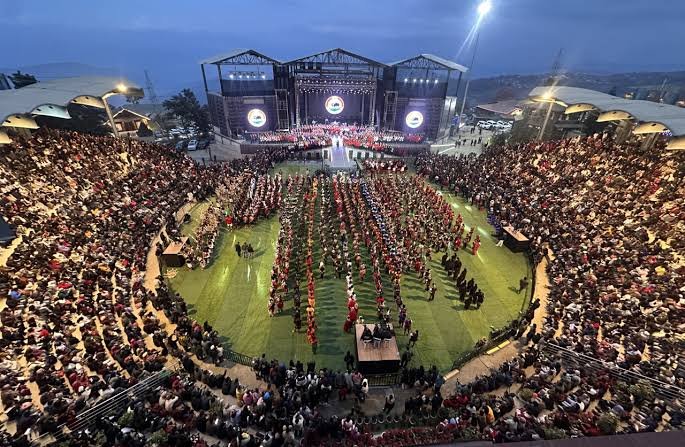
The Hornbill Festival Prep has begun early as tourism departments convened planning sessions to design international cultural pavilions for the upcoming festival. The initiative aims to strengthen the festival’s global cultural appeal while creating dedicated spaces for international participants to showcase their traditions, arts, crafts, and heritage.
Early planning can help organizers coordinate pavilion designs, cultural programmes, visitor facilities, and international participation. Moreover, introducing dedicated international spaces could broaden the festival’s cultural representation and create greater opportunities for cross-cultural interaction.
The planning process also highlights the growing importance of the Hornbill Festival as a platform for cultural exchange and tourism promotion. However, the available information does not specify which countries will participate or how many international pavilions organizers plan to establish.
Fuel Strike in Mon: Petrol Pump Dealers Union Begins Indefinite Protest Over Tax Extortion
Hornbill Festival Prep Focuses on International Participation
The Hornbill Festival Prep has moved into an early planning stage with tourism departments discussing international cultural pavilions.
Dedicated pavilions can provide participating countries with spaces to present traditional arts, food, crafts, music, clothing, and cultural practices. Furthermore, international participation can give visitors opportunities to experience different cultural traditions within a single festival environment.
The planning sessions therefore focus on expanding the festival’s international dimension.
However, the available information does not identify the countries or cultural organizations expected to participate.
Therefore, the final international lineup remains unclear.
Hornbill Festival Prep Highlights Cultural Exchange
The Hornbill Festival Prep places cultural exchange at the centre of the proposed pavilion programme.
International cultural spaces can encourage visitors and local communities to learn about different traditions. Additionally, direct interaction between cultural groups can create opportunities for artists, performers, artisans, and cultural organizations to build connections.
Such exchanges can strengthen the festival’s role as a meeting point for different communities.
However, the available information does not provide details about the cultural programmes planned for the international pavilions.
Consequently, the final programme schedule remains under development.
Hornbill Festival Prep Could Strengthen Tourism Appeal
The Hornbill Festival Prep could contribute to Nagaland’s tourism promotion by adding more international cultural attractions.
Large cultural festivals can attract visitors who want to experience traditional performances, crafts, cuisine, and community celebrations. Moreover, international participation can add variety to the visitor experience and encourage tourists to spend more time at the festival.
This could provide additional opportunities for local tourism businesses.
However, the available information does not provide visitor projections or estimates of the expected tourism impact.
Therefore, the economic benefits of the proposed pavilions cannot yet be quantified.
Hornbill Festival Prep Supports International Cultural Pavilions
The Hornbill Festival Prep includes discussions around the design and development of dedicated international pavilions.
Pavilion planning may involve layout, display areas, performance spaces, visitor circulation, signage, and cultural presentation requirements. Furthermore, organizers may need to coordinate closely with participating countries to ensure that each pavilion represents its culture appropriately.
Early preparation can help avoid logistical challenges closer to the festival.
However, the available information does not specify the planned pavilion designs, locations, or construction arrangements.
Consequently, the physical format of the international spaces remains uncertain.
Hornbill Festival Prep Creates Opportunities for Local Artisans
The Hornbill Festival Prep could also create opportunities for local artisans and cultural practitioners.
International pavilions may encourage collaborations between local craftspeople and visiting artists. Additionally, such interactions can provide opportunities to exchange techniques, designs, and ideas while showcasing Nagaland’s own cultural traditions to international visitors.
The festival can therefore serve as a platform for both cultural presentation and creative collaboration.
However, the available information does not indicate whether organizers have planned specific artisan exchange programmes.
Hornbill Festival Prep Could Support Local Businesses
The Hornbill Festival Prep may generate wider economic opportunities if international participation increases visitor interest.
Tourism activity can support hotels, restaurants, transportation providers, handicraft sellers, guides, and other local businesses. Moreover, international cultural programming can encourage visitors to explore other attractions and communities across Nagaland.
The festival could therefore contribute to the wider local tourism economy.
However, the available information does not provide estimates for business activity or visitor spending linked to the proposed international pavilions.
Consequently, the economic impact remains uncertain.
Hornbill Festival Prep Requires Detailed Coordination
The Hornbill Festival Prep will require coordination between tourism officials, cultural organizations, international participants, artists, vendors, and event managers.
International participation can involve travel arrangements, accommodation, cultural equipment, logistics, permissions, and programme scheduling. Furthermore, organizers must ensure that each pavilion meets safety and visitor-management requirements.
Early planning can help address these issues before the festival begins.
However, the available information does not specify the agencies or committees responsible for coordinating the international pavilions.
Therefore, the administrative structure remains unclear.
Hornbill Festival Prep Expands Cultural Representation
The Hornbill Festival Prep could make the festival more diverse by expanding its cultural representation.
International pavilions can introduce visitors to traditions that differ from those represented by local Naga communities. Additionally, the combination of regional and international cultures can create a broader cultural experience for festival audiences.
This approach can strengthen the festival’s reputation as a cultural exchange platform.
However, international participation should complement rather than overshadow the festival’s strong focus on Nagaland’s indigenous heritage.
The available information does not describe how organizers plan to balance the two elements.
Hornbill Festival Prep Builds Long-Term Festival Potential
The Hornbill Festival Prep may contribute to the festival’s long-term development by introducing stronger international participation.
Successful international pavilions could encourage more cultural organizations and countries to participate in future editions. Moreover, consistent international engagement can help establish long-term cultural partnerships.
However, the success of such efforts will depend on visitor interest, participant satisfaction, logistical planning, and sustained government support.
The current planning stage does not yet provide enough information to assess those outcomes.
Conclusion
The Hornbill Festival Prep has entered an early planning phase as tourism departments convened discussions to design international cultural pavilions for the upcoming festival. The initiative aims to expand cultural representation, encourage international exchange, and strengthen Nagaland’s tourism appeal.
Moreover, dedicated pavilions could create opportunities for cultural collaboration while supporting local tourism businesses and artisans. However, the available information does not identify participating countries, the number of pavilions, designs, locations, or the final programme.
Overall, the Hornbill Festival Prep reflects efforts to give the festival a stronger international dimension while maintaining its cultural identity. Detailed planning, effective coordination, and meaningful participation will remain essential for making the international pavilion programme successful.
FAQs
1. What is the Hornbill Festival Prep initiative?
The Hornbill Festival Prep refers to early planning by tourism departments for international cultural pavilions at the upcoming Hornbill Festival.
2. What will the international pavilions showcase?
They are expected to provide spaces where international participants can present cultural traditions, arts, crafts, performances, and other heritage elements.
3. Why are international pavilions important?
They can promote cultural exchange, broaden visitor experiences, and strengthen the festival’s international tourism appeal.
4. Could local businesses benefit?
Yes. Increased visitor interest can potentially benefit hotels, restaurants, transportation providers, artisans, retailers, and other tourism-related businesses.
5. Which countries will participate?
The available information does not yet identify the countries or international cultural organizations expected to participate.