


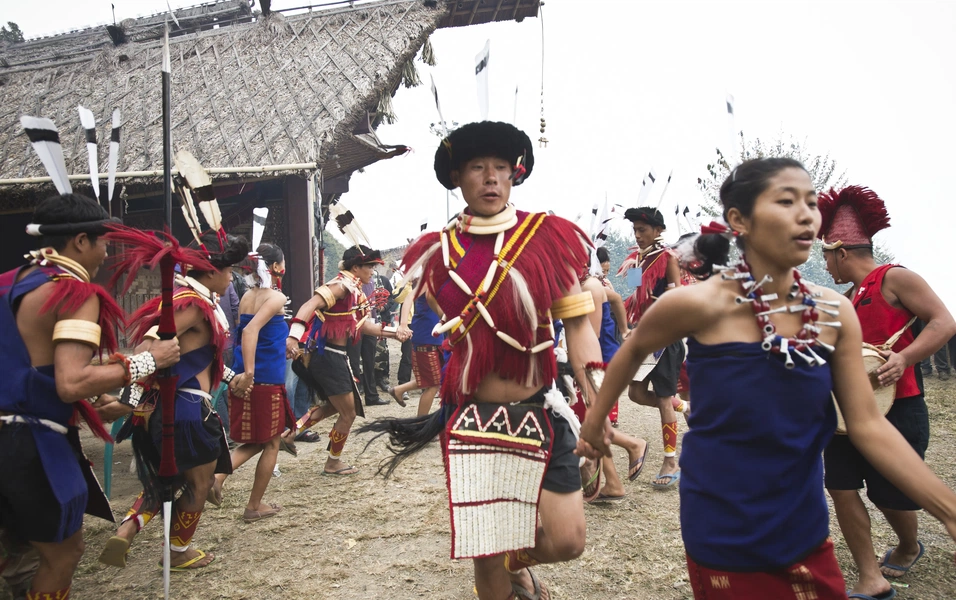
Nagaland has attracted fresh attention as audiences explore the landscapes featured in Angh. The film has brought renewed interest in the state’s villages, hills and traditional Naga culture.
Visitors who want to explore the film’s locations should plan carefully. Many locations are connected to local communities and traditional institutions. Respectful tourism is therefore essential.
The best experience comes from combining careful planning with an understanding of local customs.
Identify the Actual Filming Locations
Start by confirming which places appear in Angh. Film locations may include villages, roads, forests and community spaces.
Some locations may not operate as conventional tourist attractions. A scene filmed in a village does not automatically mean every part of that village is open for visitors.
Travellers should confirm access before making a trip. Local tourism offices, village authorities and reliable local guides can provide useful information.
Choose the Right Time to Visit
Nagaland has a pleasant climate for much of the year, but weather varies across the state.
October to May is generally a comfortable period for exploring many parts of Nagaland. Winter can bring cooler temperatures, especially in higher areas.
The monsoon months can bring heavy rain. Landslides and difficult road conditions may affect travel plans during this period.
December is particularly popular because of the Hornbill Festival. The festival offers visitors an opportunity to experience Naga culture, music, food and crafts in a structured setting.
Respect Village Customs
Cultural sensitivity should remain a priority when visiting filming locations.
Many Naga villages have their own traditions and community rules. Visitors should ask for permission before entering private areas or photographing people.
Do not enter homes, community buildings or religious spaces without permission. Follow instructions from village elders and local guides.
Simple gestures of respect can make a major difference.
Ask Before Taking Photographs
The scenic landscapes may be highly photogenic, but visitors should not assume that everything can be photographed.
Always ask before taking pictures of people. The same applies to traditional ceremonies, private property and culturally significant objects.
Avoid staging photographs that imitate traditional rituals without understanding their meaning.
If a local person asks you not to take a photograph, respect the request.
Hire a Local Guide
A local guide can make the journey more meaningful and safer.
Guides can explain the history behind villages and help visitors understand local customs. They can also communicate with community members when permission is required.
A guide can help travellers avoid restricted areas and identify appropriate places for photography.
Hiring local services also allows tourism income to reach the communities connected to the destination.
Support Local Businesses
Travellers visiting Angh locations can contribute to the local economy by using locally owned services.
Choose local homestays, guides, restaurants and transport providers where possible. Visitors can also purchase traditional handicrafts directly from artisans.
Avoid bargaining aggressively over handmade products. Many crafts require considerable time and skill.
Responsible spending can make film-related tourism beneficial for local communities.
Follow Travel and Permit Rules
Some parts of Nagaland may require additional travel documentation or permits for visitors. Requirements can depend on nationality and the destination.
Check the latest rules before travelling. Keep identification and required documents available during the trip.
Road conditions can also change because of weather and local conditions. Build extra time into the itinerary rather than planning a tightly packed schedule.
Experience More Than the Film
A trip inspired by Angh can become more than a search for familiar landscapes. Nagaland offers diverse experiences through its villages, cuisine, festivals, crafts and natural scenery.
Visitors should treat the film as an introduction rather than the entire purpose of the journey.
Travelling slowly, listening to local stories and respecting community boundaries can create a richer experience.
For those visiting Nagaland’s Angh filming locations, the best approach is simple: travel with curiosity, ask permission, respect local culture and give yourself enough time to experience the places beyond the screen.