

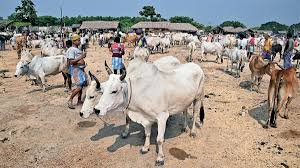
Illegal Markets Crackdown Action became a major administrative issue after Chief Minister Suvendu Adhikari reportedly directed authorities to take immediate measures against unlicensed cattle markets operating in West Bengal. Officials stated that the order aims to strengthen regulatory enforcement, improve monitoring systems, and address concerns linked to unauthorized trading activities.
Mother’s Day Observations Highlight Social Concerns
Peace Convention Discusses Ongoing Conflict
Chief Minister Directs Immediate Enforcement
Government officials confirmed that Chief Minister Suvendu Adhikari instructed administrative and law enforcement departments to identify and act against cattle markets functioning without legal authorization.
Authorities reportedly reviewed issues related to licensing procedures, regulatory compliance, sanitation standards, and possible illegal activities associated with unauthorized market operations.
Meanwhile, district administrations and police units were asked to coordinate inspections and submit reports regarding market conditions and operational status in different regions.
Unlicensed Markets Under Government Scrutiny
The crackdown announcement gained significant attention because cattle markets remain economically and socially important in many rural and semi-urban areas across West Bengal.
Illegal Markets Crackdown Action discussions intensified as authorities emphasized the need to ensure legal compliance and prevent unauthorized commercial activities.
Policy observers noted that governments often monitor cattle markets due to concerns involving taxation, public health regulations, animal transportation standards, and law and order management.
At the same time, officials stressed that enforcement efforts would focus on markets operating outside approved legal frameworks.
District Authorities Asked To Conduct Inspections
Administrative departments reportedly instructed local officials to inspect cattle trading centers and verify licenses, ownership records, and operational permissions.
Authorities may also review market infrastructure, crowd management systems, hygiene conditions, and transportation arrangements linked to cattle trade operations.
Illegal Markets Crackdown Action further highlighted the broader focus on administrative oversight and regulatory enforcement under the new government.
Meanwhile, officials indicated that actions against illegal operations could include closure notices, legal proceedings, and intensified monitoring in sensitive areas.
Political Reactions Emerge Over Directive
The order generated discussion among political parties, traders, and rural community representatives. Supporters of the government described the move as an effort to improve regulation and accountability, while critics questioned whether enforcement actions might affect local livelihoods and traditional trading systems.
Political analysts stated that cattle market regulation has often remained a sensitive issue because of its economic, social, and political dimensions.
In addition, observers noted that enforcement campaigns involving rural markets frequently attract public and media attention across the state.
Traders And Residents Monitor Developments
Local traders and market participants reportedly began assessing the possible impact of the directive on daily operations and licensing requirements.
Some business groups called for transparent implementation procedures and adequate notice before enforcement measures are introduced.
Meanwhile, residents in nearby areas expressed concerns regarding traffic congestion, sanitation, and public safety issues sometimes linked to poorly regulated market spaces.
Focus On Regulatory Compliance
Authorities stated that strengthening regulatory systems and maintaining lawful commercial operations remain key priorities of the administration.
Officials are expected to continue reviewing reports from district administrations and may introduce additional guidelines regarding licensing and monitoring procedures in the coming weeks.
Meanwhile, public attention remains focused on how enforcement actions against unlicensed cattle markets will be implemented across the state.
Conclusion
The directive issued by Chief Minister Suvendu Adhikari for immediate action against unlicensed cattle markets has intensified attention on regulatory enforcement and administrative oversight in West Bengal. As district authorities begin inspections and compliance reviews, the government aims to strengthen legal market operations while addressing concerns linked to unauthorized trading activities. The crackdown is expected to remain an important administrative and political issue in the coming weeks.
FAQs
1. What action did the Chief Minister order?
Authorities were directed to take immediate action against unlicensed cattle markets.
2. Who issued the directive?
The order was issued by Chief Minister Suvendu Adhikari.
3. Which state is affected by the crackdown?
The enforcement action concerns cattle markets in West Bengal.
4. Why are authorities targeting unlicensed markets?
Officials aim to improve regulatory compliance and address unauthorized trading activities.
5. What actions may authorities take?
Inspections, legal notices, closures, and compliance reviews may be conducted.
6. Why is the issue significant?
Cattle markets are economically important and often linked to regulatory and public administration concerns.