

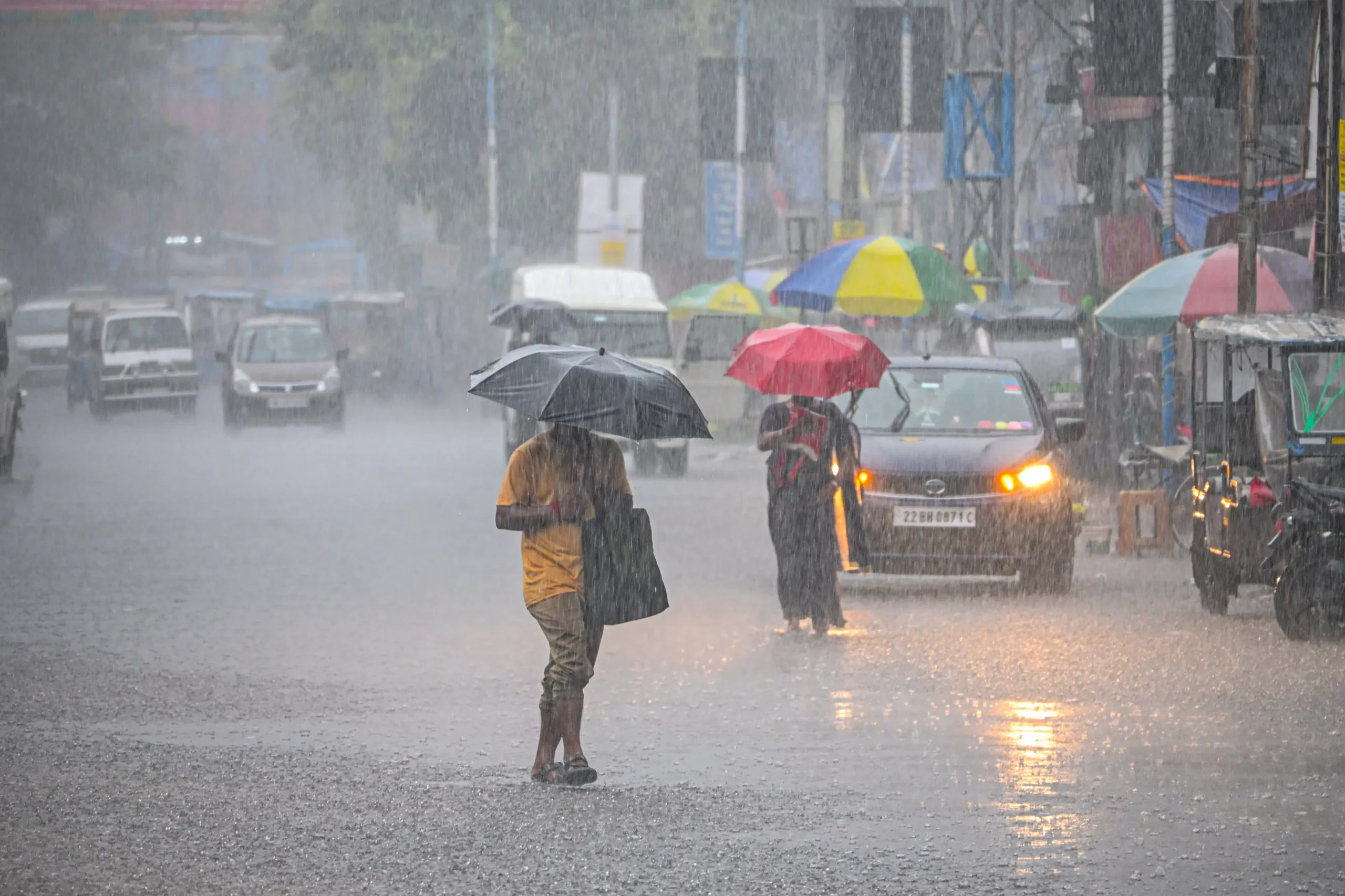
The IMD Alert has raised weather concerns across the Subansiri belts after the meteorological office issued severe orange warnings for thunderstorms. The warning highlights the possibility of hazardous weather conditions and urges residents, travellers, and local authorities to remain cautious during periods of intense thunderstorm activity.
The alert comes as parts of the region continue to experience unstable weather conditions. Moreover, thunderstorms can bring strong winds, lightning, heavy rainfall, and temporary disruptions to transport and outdoor activities.
Local administrations and residents can use official weather updates to monitor changing conditions and respond to further warnings. However, the available information does not specify the exact validity period of the orange warning or the individual districts covered.
Organic Pineapple Push: Nagaland Cooperatives Flag Off First International Export Consignment
IMD Alert Highlights Severe Thunderstorm Risk
The IMD Alert indicates an elevated risk of thunderstorms across the Subansiri belts.
Thunderstorms can develop rapidly and produce multiple hazards within a short period. Furthermore, lightning and strong winds can create risks for people outdoors, while intense rainfall can affect roads and drainage systems.
The orange warning signals that residents should take the forecast seriously and remain prepared for deteriorating weather.
However, the available information does not provide specific rainfall estimates or wind-speed projections associated with the warning.
Therefore, residents should continue monitoring updated official forecasts for more precise information.
IMD Alert Covers Weather-Sensitive Subansiri Areas
The IMD Alert has drawn attention to the Subansiri belts because of the expected thunderstorm activity.
Weather conditions in mountainous and riverine areas can change quickly. Additionally, heavy rainfall associated with thunderstorms can increase the possibility of localized water accumulation, reduced visibility, and difficult travel conditions.
Authorities can use weather warnings to prepare local response systems and communicate relevant information to communities.
However, the available information does not identify the exact locations or administrative areas included in the alert.
Consequently, the geographic coverage of the warning requires confirmation from the latest official bulletin.
IMD Alert Warns of Possible Travel Disruptions
The IMD Alert could affect road and transport conditions if thunderstorms bring heavy rain or strong winds.
Poor visibility and wet roads can make travel more difficult, particularly in areas with steep terrain or vulnerable road sections. Moreover, falling branches and temporary infrastructure disruptions can affect traffic during strong storms.
Travellers can therefore benefit from checking current weather and road conditions before undertaking journeys during the warning period.
However, the available information does not confirm any current road closures or transport disruptions.
Therefore, the alert should not be interpreted as evidence that all travel routes have been affected.
IMD Alert Raises Lightning Safety Concerns
The IMD Alert also highlights the importance of caution during thunderstorms because lightning can pose serious risks.
Residents can reduce exposure to hazardous weather by following official safety guidance and avoiding unnecessary outdoor activity during active thunderstorms. Furthermore, people should pay attention to local emergency announcements if authorities issue additional instructions.
Schools, outdoor work sites, and event organizers may also need to monitor weather conditions closely.
However, the available information does not mention any specific closures or cancellations linked to the warning.
Consequently, decisions regarding local activities will depend on conditions and instructions from relevant authorities.
IMD Alert Supports Preparedness Measures
The IMD Alert gives local administrations an opportunity to strengthen preparedness before severe weather develops.
Authorities can monitor vulnerable locations, communicate warnings, and prepare response teams when forecasts indicate potentially hazardous thunderstorms. Additionally, timely public information can help residents make informed decisions about travel and outdoor activities.
Preparedness becomes particularly important when heavy rainfall accompanies thunderstorms.
However, the available information does not describe any specific emergency measures announced by local administrations.
Therefore, the current response arrangements remain unclear.
IMD Alert Comes Amid Unstable Weather
The IMD Alert reflects continuing atmospheric instability across parts of the region.
Thunderstorms can occur when atmospheric conditions support strong upward air movement and the development of convective clouds. Moreover, local terrain can influence rainfall and storm development in mountainous areas.
The latest warning indicates that meteorological conditions warrant increased attention.
However, the available information does not provide a detailed explanation of the atmospheric factors behind the current alert.
Consequently, further technical information would be required to assess the broader weather pattern.
IMD Alert Requires Continued Monitoring
The IMD Alert may change as weather conditions develop.
Thunderstorm systems can intensify, weaken, or move into different areas over relatively short periods. Furthermore, meteorological agencies regularly update warnings when new observations and forecast models provide additional information.
Residents should therefore avoid relying on a single weather update for an extended period.
The available information does not provide the exact duration of the current orange warning.
Consequently, the latest official bulletin remains important for determining whether the alert continues or changes.
IMD Alert Highlights Importance of Local Awareness
The IMD Alert underscores the importance of weather awareness among communities across the Subansiri belts.
Residents who remain informed about updated forecasts can better prepare for changing conditions. Moreover, local authorities can use warning information to communicate potential risks to vulnerable communities and coordinate response measures where necessary.
However, weather impacts can vary considerably between nearby locations.
Therefore, residents should follow location-specific advisories rather than assuming that conditions will remain identical across the entire Subansiri region.
Conclusion
The IMD Alert has placed the Subansiri belts under severe orange warnings for thunderstorms, highlighting the possibility of hazardous weather conditions across the affected areas. The warning calls for increased awareness as thunderstorms can bring lightning, strong winds, heavy rainfall, and potential travel disruptions.
Moreover, local authorities and residents can use updated meteorological information to strengthen preparedness and respond to changing conditions. However, the available information does not specify the exact districts covered, warning duration, rainfall totals, or wind forecasts.
Overall, the IMD Alert signals a period of heightened weather vigilance across the Subansiri belts. Residents should continue monitoring official forecasts and follow local safety instructions as meteorological conditions evolve.
FAQs
1. What does the IMD Alert indicate?
The IMD Alert indicates an elevated risk of severe thunderstorms across the Subansiri belts.
2. What hazards can thunderstorms bring?
Thunderstorms can produce lightning, strong winds, heavy rainfall, reduced visibility, and temporary disruptions to outdoor activities and transportation.
3. How long will the orange warning remain active?
The available information does not specify the exact duration of the warning. Updated meteorological bulletins can provide the latest validity period.
4. Should travellers take precautions?
Yes. Travellers should monitor current weather and local advisories, particularly during active thunderstorms and heavy rainfall.
5. Can the warning change?
Yes. Weather warnings can change as meteorological conditions evolve and new observations become available.