


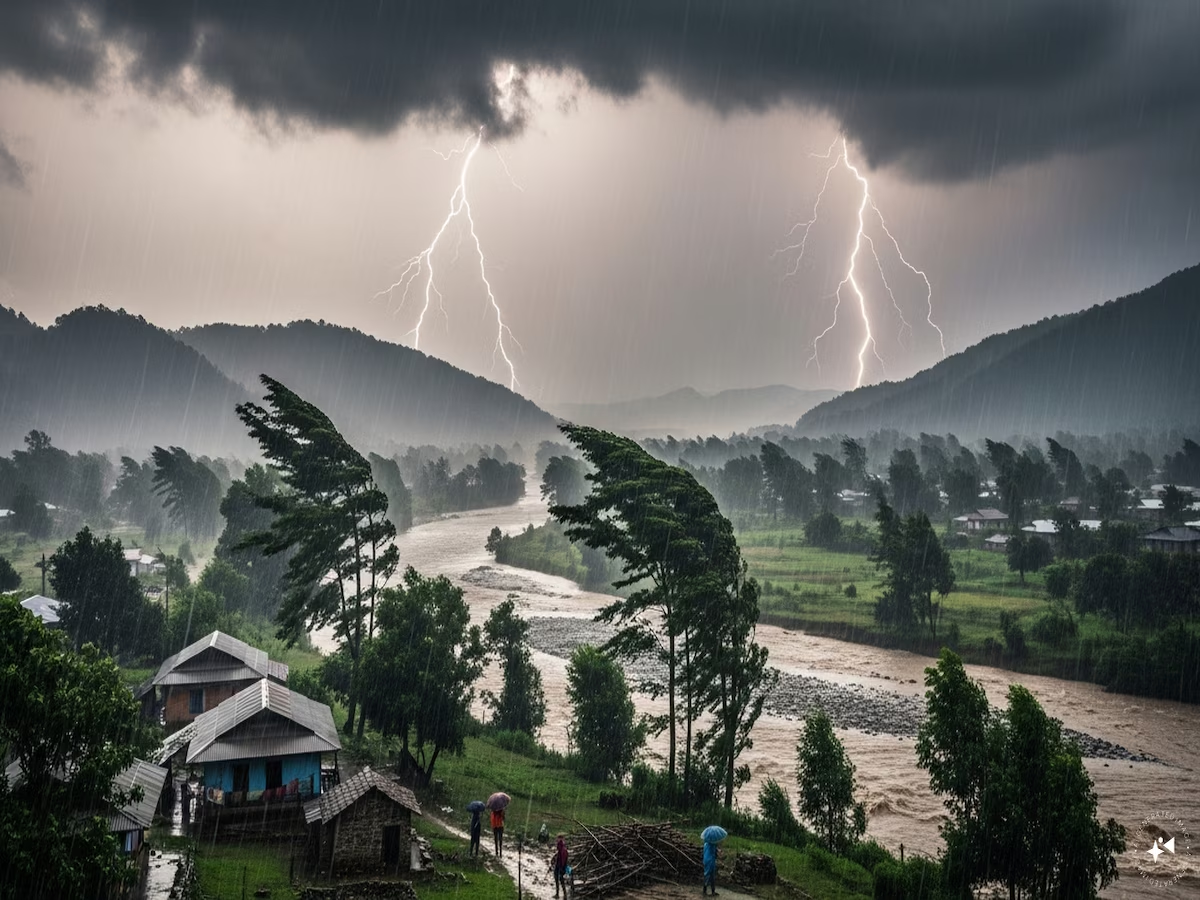
The Northeast Heavy Rain Alert has intensified after the India Meteorological Department (IMD) issued a Red Alert for parts of Northeast India, forecasting extremely heavy rainfall over the coming days. Moreover, the weather agency warned that intense precipitation could trigger flash floods, landslides, waterlogging, and disruptions to transportation in vulnerable areas. Consequently, state governments and disaster management authorities have stepped up preparedness measures while urging residents to follow official weather advisories.
Amit Shah Reviews Arunachal Flood Situation With CM Pema Khandu
UNC Urges Centre to Reconsider Suspension of Operations Pact
Northeast Heavy Rain Alert Issued by IMD
The Northeast Heavy Rain Alert was issued after the IMD forecast extremely heavy rainfall across parts of the region. Furthermore, the Red Alert indicates the likelihood of severe weather conditions that require immediate preparedness and close monitoring.
Heavy monsoon rainfall can significantly affect transportation, public infrastructure, and daily life. Consequently, authorities are maintaining heightened vigilance in districts expected to receive the highest rainfall.
Moreover, meteorological officials continue tracking evolving weather systems around the clock. Therefore, updated forecasts and advisories are being issued regularly.
Additionally, local administrations are coordinating with emergency agencies to strengthen readiness. Thus, precautionary measures remain in place across vulnerable locations.
Authorities Strengthen Disaster Preparedness
The Northeast Heavy Rain Alert has prompted disaster management agencies and district administrations to activate emergency preparedness plans. Furthermore, officials are reviewing flood-prone areas, monitoring river levels, and preparing response teams for possible emergencies.
Early preparedness helps reduce the impact of severe weather events. Consequently, emergency responders remain on standby to assist affected communities if required.
Moreover, departments responsible for roads, public works, and essential services are coordinating contingency plans. Therefore, authorities aim to minimize disruption during periods of intense rainfall.
Similarly, continuous communication among agencies supports quicker emergency response. Additionally, public awareness campaigns encourage residents to remain alert.
Flash Flood and Landslide Risks Increase
The Northeast Heavy Rain Alert highlights the elevated risk of flash floods and landslides, particularly in hilly and low-lying areas. Furthermore, prolonged rainfall may lead to overflowing rivers, slope instability, and temporary road closures.
Mountainous regions remain especially vulnerable during periods of sustained heavy rainfall. Consequently, officials are closely monitoring landslide-prone locations and river catchments.
Moreover, residents in high-risk areas are encouraged to stay informed through official advisories. Therefore, timely access to weather information remains essential.
Similarly, emergency response teams continue inspecting vulnerable infrastructure. Additionally, precautionary actions help improve community safety.
Continuous Weather Monitoring Remains Essential
The Northeast Heavy Rain Alert underscores the importance of continuous weather monitoring throughout the active monsoon season. Furthermore, the IMD and state authorities are regularly reviewing rainfall patterns and atmospheric conditions to provide timely updates.
Accurate forecasting enables governments and emergency agencies to respond more effectively to changing weather conditions. Consequently, regular weather bulletins support informed decision-making.
Moreover, coordination between meteorological departments and disaster management agencies strengthens preparedness. Therefore, authorities will continue issuing advisories as the situation evolves.
Similarly, community cooperation with official guidance enhances overall disaster resilience. Additionally, long-term investment in early warning systems can further improve emergency response capabilities.
Conclusion
The Northeast Heavy Rain Alert has placed several parts of the region under a Red Alert as the IMD forecasts extremely heavy rainfall during the ongoing monsoon. Moreover, authorities are strengthening preparedness, monitoring vulnerable areas, and coordinating emergency response measures to reduce potential risks.
Furthermore, continuous weather surveillance, timely public advisories, and effective disaster management will remain crucial as heavy rainfall continues. Consequently, residents are encouraged to stay updated through official weather bulletins and follow instructions issued by local authorities.
Looking ahead, improved forecasting, stronger disaster preparedness, and coordinated emergency response will remain essential in managing the impact of the Northeast Heavy Rain Alert across the region.
FAQs
1. Why did the IMD issue a Red Alert for parts of the Northeast?
The IMD issued the Red Alert because it forecast extremely heavy rainfall that could lead to hazardous weather conditions.
2. What hazards are associated with the alert?
The forecast indicates the possibility of flash floods, landslides, waterlogging, overflowing rivers, and transportation disruptions.
3. What actions are authorities taking?
State governments and disaster management agencies are monitoring vulnerable areas, preparing emergency response teams, and issuing public advisories.
4. What should residents do during the Red Alert?
Residents should follow official weather updates, avoid flood- and landslide-prone areas where possible, and comply with instructions from local authorities.
5. Why is the Northeast Heavy Rain Alert significant?
It emphasizes the need for timely weather monitoring, coordinated disaster preparedness, and public awareness to reduce the impact of severe monsoon conditions.