


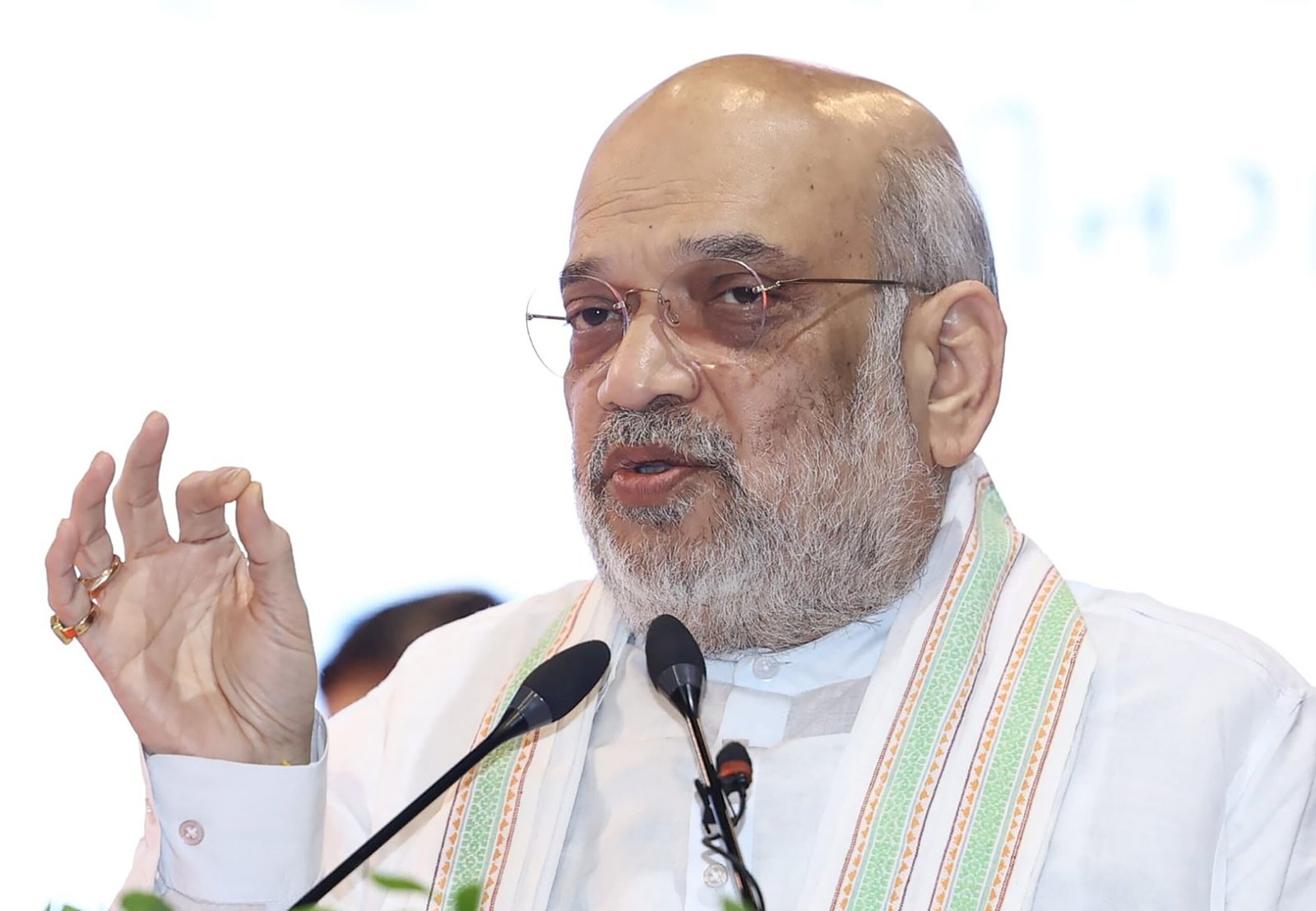
The Arunachal Flood Situation Review gained national attention after Union Home Minister Amit Shah held a high-level review with Arunachal Pradesh Chief Minister Pema Khandu to assess the impact of ongoing floods across the state. Moreover, the discussion focused on rescue operations, relief measures, infrastructure damage, and coordination between the Central and state governments. Consequently, authorities reaffirmed their commitment to supporting affected communities and strengthening disaster response efforts.
Indian Air Force Intensifies Helicopter Rescue Missions in Flood-Hit Arunachal Pradesh
UNC Raises Concerns Over Kamjong Border Violence After Houses Burned
Arunachal Flood Situation Review Focuses on Relief Operations
The Arunachal Flood Situation Review centered on evaluating the current flood conditions and the progress of rescue and relief operations in affected districts. Furthermore, Amit Shah and Chief Minister Pema Khandu reviewed reports on the humanitarian situation and the deployment of emergency response teams.
Continuous monsoon rainfall has caused flooding and disrupted transportation in several parts of the state. Consequently, rescue agencies remain engaged in evacuating stranded residents and delivering essential supplies.
Moreover, authorities are monitoring developments around the clock to respond quickly to emerging challenges. Therefore, coordinated action remains a priority during the ongoing emergency.
Additionally, district administrations continue assessing the needs of affected communities. Thus, relief efforts are being adjusted based on field reports.
Centre and State Strengthen Disaster Coordination
The Arunachal Flood Situation Review highlighted the importance of close coordination between the Central Government and the Arunachal Pradesh administration. Furthermore, both sides discussed strategies to ensure the efficient delivery of relief materials and the restoration of essential services.
Effective disaster management depends on timely cooperation among government agencies. Consequently, coordination helps improve the speed and effectiveness of emergency response.
Moreover, officials reviewed resource availability and operational preparedness. Therefore, departments remain prepared to respond to changing flood conditions.
Similarly, communication between various agencies supports better planning and decision-making. Additionally, coordinated governance enhances relief operations across affected districts.
Infrastructure Damage and Weather Conditions Under Assessment
The Arunachal Flood Situation Review also examined the impact of flooding on roads, bridges, public infrastructure, and connectivity. Furthermore, authorities continue assessing damage while monitoring weather forecasts and river conditions.
Floodwaters and landslides can significantly affect transportation and public services in mountainous regions. Consequently, engineering teams are evaluating infrastructure before restoration work begins.
Moreover, meteorological updates are helping authorities anticipate further rainfall. Therefore, preparedness measures remain in place as the monsoon season continues.
Similarly, local administrations are maintaining surveillance in vulnerable locations. Additionally, continuous assessments support informed disaster management decisions.
Long-Term Preparedness Remains a Priority
The Arunachal Flood Situation Review emphasized the need to strengthen disaster preparedness and improve resilience against future monsoon-related emergencies. Furthermore, investment in resilient infrastructure, early warning systems, and emergency response capabilities remains an important focus.
Comprehensive disaster planning reduces the impact of natural disasters on communities. Consequently, authorities continue working toward enhancing preparedness across vulnerable regions.
Moreover, collaboration between the Centre and the state supports long-term disaster risk reduction. Therefore, coordinated planning remains essential for improving resilience.
Similarly, public awareness and community participation contribute to effective emergency management. Additionally, sustained investment in disaster mitigation can help reduce future losses.
Conclusion
The Arunachal Flood Situation Review underscored the close coordination between Union Home Minister Amit Shah and Chief Minister Pema Khandu in responding to the ongoing flood situation in Arunachal Pradesh. Moreover, the review focused on rescue operations, relief measures, infrastructure assessments, and continued support for affected communities.
Furthermore, coordinated efforts between the Central and state governments will remain essential as rescue and rehabilitation activities continue. Consequently, the review highlights the importance of timely disaster response, effective intergovernmental coordination, and long-term resilience planning.
Looking ahead, sustained relief operations, improved disaster preparedness, and continued cooperation between all agencies will strengthen the state’s capacity to manage future emergencies under the Arunachal Flood Situation Review framework.
FAQs
1. Why did Amit Shah review the flood situation?
The Union Home Minister reviewed the flood situation with Chief Minister Pema Khandu to assess rescue operations, relief efforts, and overall disaster response.
2. What issues were discussed during the review?
The discussion covered flood conditions, relief operations, infrastructure damage, weather monitoring, and Centre-state coordination.
3. Who participated in the review?
Union Home Minister Amit Shah and Arunachal Pradesh Chief Minister Pema Khandu led the high-level review.
4. Why is Centre-state coordination important during floods?
It helps ensure timely deployment of resources, efficient relief distribution, and coordinated disaster management.
5. Why is the Arunachal Flood Situation Review significant?
It demonstrates the importance of coordinated disaster response, effective governance, and sustained support for flood-affected communities.