


India has strongly condemned recent Houthi attacks on Saudi Arabia. New Delhi warned that strikes against civilian infrastructure and economic assets could undermine regional stability.
The government also raised concerns about the safety of maritime traffic through the Bab-el-Mandeb Strait.
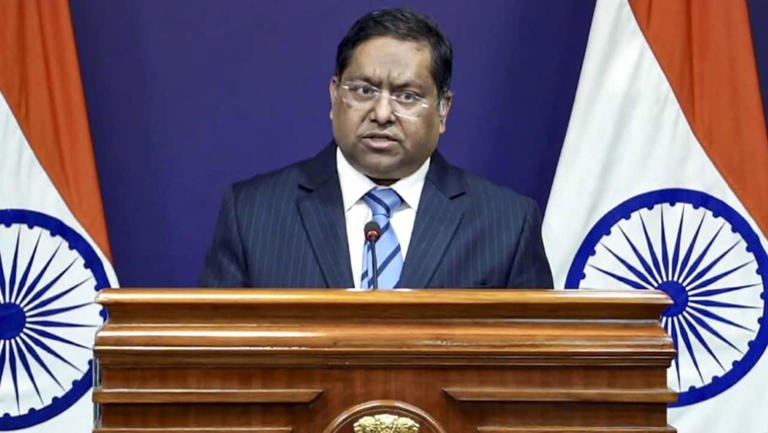
External Affairs Ministry spokesperson Randhir Jaiswal made the remarks during a media briefing on September 15. He said India remained deeply concerned about the escalation in the Red Sea region.
Jaiswal said India considered attacks on Saudi sovereign territory, civilian infrastructure and economic assets unacceptable. He also stressed the need to restore peace and stability in the region.
The statement came as tensions increased across West Asia and concerns grew over the security of important shipping routes.
India Warns About Bab-el-Mandeb Navigation
The Bab-el-Mandeb Strait has emerged as a key concern in the latest escalation.
The strategic waterway connects the Red Sea with the Gulf of Aden. Ships use the route to move between the Indian Ocean and the Suez Canal.
Jaiswal said attacks in the region threaten freedom of navigation through Bab-el-Mandeb.
India has a major interest in the safety of the route. Indian commercial vessels and energy shipments use maritime routes connecting the Gulf region with India and other markets.
Any prolonged disruption could therefore affect shipping operations and regional trade.
India has repeatedly called for safe and unrestricted navigation through international waterways.
Jaishankar Discusses Crisis With Saudi Foreign Minister
The issue also came up during a meeting between External Affairs Minister S. Jaishankar and Saudi Foreign Minister Prince Faisal bin Farhan Al Saud.
The two ministers met on the sidelines of the BRICS Summit in New Delhi.
According to Jaiswal, the Houthi attacks formed part of their discussions. The meeting took place as the security situation in West Asia continued to deteriorate.
Jaishankar and Faisal discussed developments affecting Saudi Arabia and the wider Red Sea region.
India has maintained close diplomatic and economic ties with Saudi Arabia. The country is also an important source of energy for India and a major destination for Indian workers.
The security of the Gulf and Red Sea regions therefore carries economic and strategic significance for New Delhi.
Attacks Target Saudi Economic Assets
The latest escalation has involved attacks against Saudi economic and energy infrastructure.
Indian officials specifically condemned strikes targeting civilian and economic facilities.
The Houthi movement operates from Yemen and has carried out attacks across the region during the wider conflict.
Recent attacks have raised concerns about Saudi Arabia’s oil infrastructure and export routes.
The East-West pipeline has become particularly important because it provides Saudi Arabia with an alternative route for moving crude towards the Red Sea.
This infrastructure can reduce Saudi dependence on routes affected by disruptions elsewhere in the region.
The attacks have therefore raised concerns beyond immediate security issues. They have also created questions about energy supplies and international shipping.
India Calls Attacks on Commercial Shipping Unacceptable
India has also expressed concern about attacks involving commercial vessels and seafarers.
Jaiswal referred to the attack on a Panama-flagged ship off the coast of Oman. The incident involved Indian nationals among the crew.
According to the External Affairs Ministry, 14 Indian nationals were aboard the vessel. Omani authorities rescued 13 of them.
One Indian national remained missing as search and rescue operations continued.
Jaiswal said India considers attacks targeting commercial shipping, seafarers, civilians and civilian infrastructure unacceptable.
He urged the restoration of free and safe navigation and the flow of commerce through international waterways in the region.
Red Sea Crisis Raises Global Trade Concerns
The security situation in the Red Sea has implications for international commerce.
The Bab-el-Mandeb is one of the world’s major maritime chokepoints. Disruptions can force ships to take longer alternative routes.
Longer routes can increase fuel consumption, insurance costs and delivery times.
Energy shipments can face additional risks when conflicts affect major maritime corridors.
The latest developments have therefore attracted attention from governments and shipping companies.
For India, the situation also matters because the country imports a large share of its crude oil and depends heavily on maritime trade.
Any sustained disruption could affect shipping schedules and transport costs.
India Continues to Monitor Energy Supplies
Despite the escalation, India said it continues to receive energy supplies from the region.
Jaiswal noted that India remains in contact with countries in West Asia.
Saudi Arabia is among India’s important energy partners. The two countries have maintained extensive cooperation in trade, investment, energy and the movement of workers.
India has also diversified its energy sources and strengthened relationships with several oil-producing countries.
The government continues to monitor developments in West Asia because changes in energy flows can affect India’s economy.
The latest Houthi attacks add another layer of uncertainty to an already volatile regional environment.
Growing Concern Over Regional Stability
India’s statement reflects wider concerns about the expansion of the conflict.
The government has repeatedly called for restraint and peaceful resolution of regional disputes.
New Delhi has also stressed that civilian infrastructure and commercial shipping should remain protected.
The latest warning focuses particularly on the possible impact on maritime navigation.
If attacks continue near major shipping routes, countries may face greater challenges in protecting commercial vessels.
The situation could also increase pressure on regional governments to strengthen maritime security.
Saudi Arabia Faces Wider Security Pressure
Saudi Arabia has faced an expanding security challenge as Houthi attacks continue.
Saudi authorities have reported intercepting missiles and drones during the recent escalation.
On September 16, Saudi authorities said they intercepted a Houthi drone south of Mecca. The Houthis denied targeting Mecca or other religious sites.
The developments have added sensitivity to an already tense situation.
Saudi officials have warned against attacks that could threaten the country’s civilian population and important infrastructure.
The wider conflict continues to involve several regional and international actors.
India Seeks Early Return to Peace and Stability
India has called for an early restoration of peace and stability in West Asia.
Jaiswal said the attacks were unacceptable and stressed the importance of protecting civilians and commercial activity.
India’s position also reflects its interest in maintaining secure international waterways.
The Bab-el-Mandeb connects two major maritime regions. Any sustained disruption could affect global trade and energy transportation.
For New Delhi, the issue also has a direct connection with Indian seafarers and energy security.
Maritime Security Remains a Priority
India’s latest statement places maritime security at the centre of its response to the escalating crisis.
New Delhi has condemned attacks on Saudi territory and economic infrastructure. It has also warned about the threat to freedom of navigation through Bab-el-Mandeb.
The government continues to monitor developments in the Red Sea and surrounding regions.
The search for the missing Indian seafarer also remains underway following the Oman ship attack.
India has called for the protection of commercial shipping, civilians and seafarers.
As tensions continue, the safety of international maritime routes will remain a major concern for India and other countries that depend on secure trade corridors.