


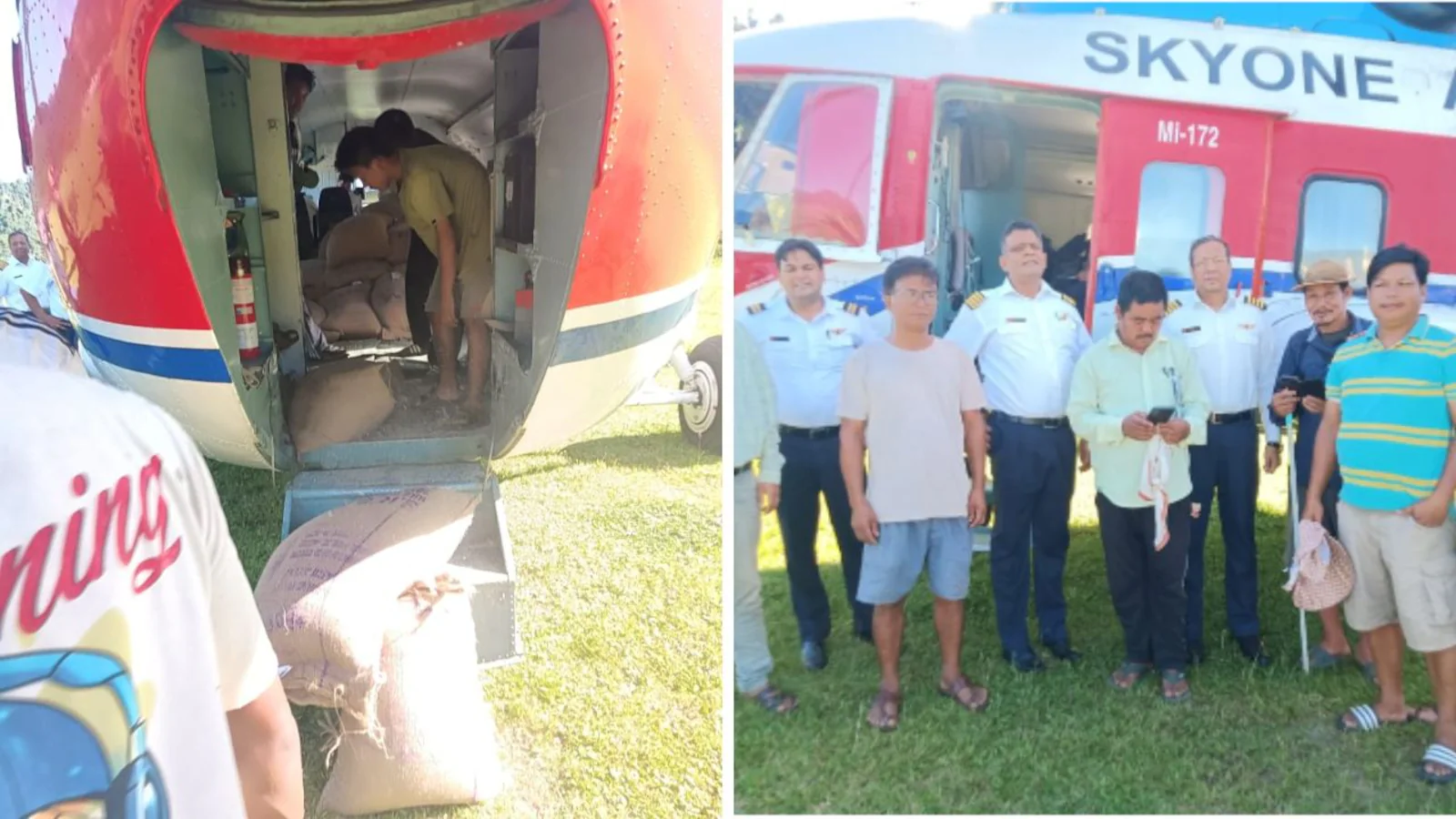
The Arunachal Flood Rescue Missions have intensified as the Indian Air Force (IAF) expanded helicopter operations to assist people stranded in flood-affected areas of Arunachal Pradesh. Moreover, continuous heavy monsoon rainfall has triggered flash floods and landslides, disrupting road connectivity and isolating several communities. Consequently, IAF helicopters are supporting rescue, evacuation, and relief efforts in coordination with state authorities and disaster management agencies.
Arunachal Pradesh Flash Flood Death Toll Rises to Four
Manipur Panchayat Election Deadline: State Assures Supreme Court of Compliance
Arunachal Flood Rescue Missions Expand Across Affected Areas
The Arunachal Flood Rescue Missions entered a crucial phase as the Indian Air Force increased helicopter deployments to reach inaccessible flood-hit locations. Furthermore, aerial operations have become essential where damaged roads and landslides have restricted ground-based rescue efforts.
Helicopter missions enable emergency responders to reach isolated communities quickly. Consequently, stranded residents can be evacuated while essential relief supplies are transported to affected areas.
Moreover, rescue teams continue identifying vulnerable locations requiring immediate assistance. Therefore, aerial surveillance remains an important component of disaster response.
Additionally, coordination among multiple agencies supports efficient rescue operations. Thus, relief efforts continue across the affected districts.
Indian Air Force Supports Evacuation and Relief Operations
The Arunachal Flood Rescue Missions highlight the Indian Air Force’s role in assisting civil authorities during natural disasters. Furthermore, helicopters are being used to evacuate stranded residents and deliver food, drinking water, medicines, and emergency supplies.
Rapid aerial assistance is particularly valuable in mountainous regions where road access becomes difficult during heavy rainfall. Consequently, helicopter operations help reduce delays in emergency response.
Moreover, IAF personnel are working closely with disaster management teams and district administrations. Therefore, rescue missions remain well coordinated and responsive to changing ground conditions.
Similarly, continuous weather assessments help flight crews plan safe rescue operations. Additionally, communication between agencies enhances operational efficiency.
Heavy Monsoon Rains Continue to Challenge Rescue Efforts
The Arunachal Flood Rescue Missions are continuing despite persistent monsoon rainfall and difficult terrain across several parts of the state. Furthermore, flash floods, swollen rivers, and landslides continue to affect transportation and emergency access.
Adverse weather conditions require constant monitoring to ensure the safety of both rescue personnel and affected residents. Consequently, authorities regularly assess weather forecasts before conducting aerial missions.
Moreover, disaster management agencies continue evaluating the needs of flood-affected communities. Therefore, relief operations are being adjusted according to evolving conditions.
Similarly, local administrations remain on alert for additional rainfall. Additionally, emergency response teams continue supporting rehabilitation efforts.
Coordinated Disaster Response Strengthens Relief Operations
The Arunachal Flood Rescue Missions demonstrate the importance of coordinated action between the Indian Air Force, state government, disaster management authorities, and local administrations. Furthermore, joint efforts are helping accelerate rescue, relief distribution, and recovery activities.
Integrated disaster response improves operational efficiency and resource utilization. Consequently, affected communities receive assistance more quickly during emergencies.
Moreover, continued investment in disaster preparedness and emergency infrastructure strengthens resilience against future natural disasters. Therefore, coordinated planning remains essential.
Similarly, early warning systems and public awareness contribute to improved emergency response. Additionally, sustained cooperation among agencies enhances overall disaster management capabilities.
Conclusion
The Arunachal Flood Rescue Missions have intensified as the Indian Air Force expands helicopter operations to assist flood-affected communities across Arunachal Pradesh. Moreover, aerial rescue missions are playing a critical role in evacuating stranded residents, delivering relief supplies, and supporting disaster management efforts.
Furthermore, coordinated operations between the IAF, state authorities, and emergency agencies will remain essential as rescue and rehabilitation efforts continue. Consequently, the ongoing response highlights the importance of rapid aerial assistance, effective disaster preparedness, and inter-agency cooperation during severe monsoon emergencies.
Looking ahead, stronger emergency infrastructure, improved early warning systems, and continued collaboration among rescue agencies will help enhance the effectiveness of future Arunachal Flood Rescue Missions.
FAQs
1. Why has the Indian Air Force intensified helicopter operations?
The IAF has expanded helicopter missions to rescue stranded residents and deliver relief supplies in flood-affected areas of Arunachal Pradesh.
2. What challenges are rescue teams facing?
Heavy monsoon rainfall, flash floods, landslides, and damaged road connectivity are making rescue operations more difficult.
3. What assistance are the helicopters providing?
They are evacuating stranded people, transporting emergency personnel, and delivering food, medicines, drinking water, and other relief materials.
4. Which agencies are involved in the rescue operations?
The Indian Air Force is working alongside the state government, district administrations, and disaster management authorities.
5. Why are the Arunachal Flood Rescue Missions significant?
They demonstrate the importance of rapid aerial rescue, coordinated disaster response, and timely humanitarian assistance during severe monsoon-related emergencies.