

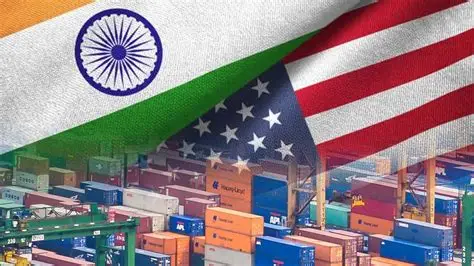
India exports to US February decline has raised concerns among policymakers and economists, as shipments to one of the country’s largest trading partners fell by 13% during the month. At the same time, India’s trade deficit with China has crossed the $100 billion mark, highlighting persistent imbalances in bilateral trade.
These developments reflect shifting global demand patterns and structural challenges within India’s export sector. Together, they underscore the need for strategic policy interventions to stabilize trade performance.
Read More: Tripura TTAADC Polls 2026: Over 9 Lakh Voters, Dharmanagar By-Election on April 9
Decline in Exports to the United States
India’s exports to the United States witnessed a notable drop of 13% in February, signaling a slowdown in demand from the American market. The US has traditionally been one of India’s largest export destinations, making this decline particularly significant.
Several factors may have contributed to the downturn. These include reduced consumer demand, global economic uncertainties, and changes in trade patterns. Additionally, fluctuations in currency exchange rates and supply chain disruptions could have played a role.
Sectors such as textiles, engineering goods, and gems and jewellery are believed to have been affected the most. As a result, exporters are facing challenges in maintaining growth momentum.
Rising Trade Deficit with China
While exports to the US declined, India’s trade deficit with China has crossed $100 billion, marking a major milestone in bilateral trade imbalance. The deficit arises from India importing significantly more goods from China than it exports.
China remains a key supplier of electronics, machinery, chemicals, and other industrial inputs. Indian industries rely heavily on these imports, which contributes to the widening gap.
Despite efforts to boost domestic manufacturing and reduce dependency, the deficit continues to grow. This trend raises concerns about economic sustainability and strategic vulnerability.
Key Factors Behind the Trade Imbalance
The widening trade deficit with China can be attributed to several structural factors. India’s dependence on imported components for manufacturing is a major contributor.
In contrast, Indian exports to China face barriers such as limited market access and competitiveness issues. This imbalance creates a persistent gap in trade flows.
Moreover, global supply chain dynamics often favor Chinese manufacturing due to scale and efficiency. As a result, Indian industries find it challenging to compete in certain sectors.
Impact on India’s Economy
The decline in exports to the US and the rising deficit with China have broader implications for India’s economy. Reduced exports can affect foreign exchange earnings and impact overall economic growth.
At the same time, a high trade deficit puts pressure on the current account balance. This could influence currency stability and fiscal planning.
However, experts note that these challenges also present opportunities for policy reforms. By addressing structural issues, India can strengthen its trade position in the long term.
Government’s Response and Policy Measures
The Indian government has been taking steps to boost exports and reduce trade imbalances. Initiatives such as the Production Linked Incentive (PLI) scheme aim to promote domestic manufacturing and reduce reliance on imports.
Efforts are also being made to diversify export markets and strengthen trade relations with other countries. By expanding its global footprint, India can reduce dependence on a few key markets.
Additionally, policies focusing on ease of doing business and infrastructure development are expected to support exporters.
Need for Diversification of Export Markets
The decline in exports to the US highlights the importance of diversifying export destinations. Relying heavily on a single market can make the economy vulnerable to external shocks.
India has been exploring opportunities in regions such as Europe, Southeast Asia, and Africa. Strengthening trade ties with these regions can help mitigate risks and create new growth avenues.
Furthermore, promoting high-value exports and innovation can enhance competitiveness in global markets.
Strengthening Domestic Manufacturing
Reducing the trade deficit with China requires a strong focus on domestic manufacturing. By increasing local production, India can decrease its dependence on imports.
Investments in technology, skill development, and infrastructure are crucial for achieving this goal. Encouraging small and medium enterprises to participate in global value chains can also boost exports.
The government’s emphasis on initiatives like “Make in India” reflects this strategic direction.
Global Economic Context
The current trade trends must also be viewed in the context of the global economy. Slowing growth in major economies, geopolitical tensions, and supply chain disruptions are affecting international trade.
These factors influence demand for exports and availability of imports. Therefore, India’s trade performance is closely linked to global developments.
Adapting to these changes will be essential for maintaining economic resilience.
Conclusion
The India exports to US February decline and the trade deficit with China crossing $100 billion highlight key challenges facing the country’s trade sector. While the drop in exports signals short-term concerns, the growing deficit points to deeper structural issues.
Addressing these challenges will require a combination of policy measures, market diversification, and strengthening domestic capabilities. By focusing on these areas, India can work toward a more balanced and resilient trade framework.
As global dynamics continue to evolve, India’s ability to adapt and innovate will play a crucial role in shaping its economic future.