

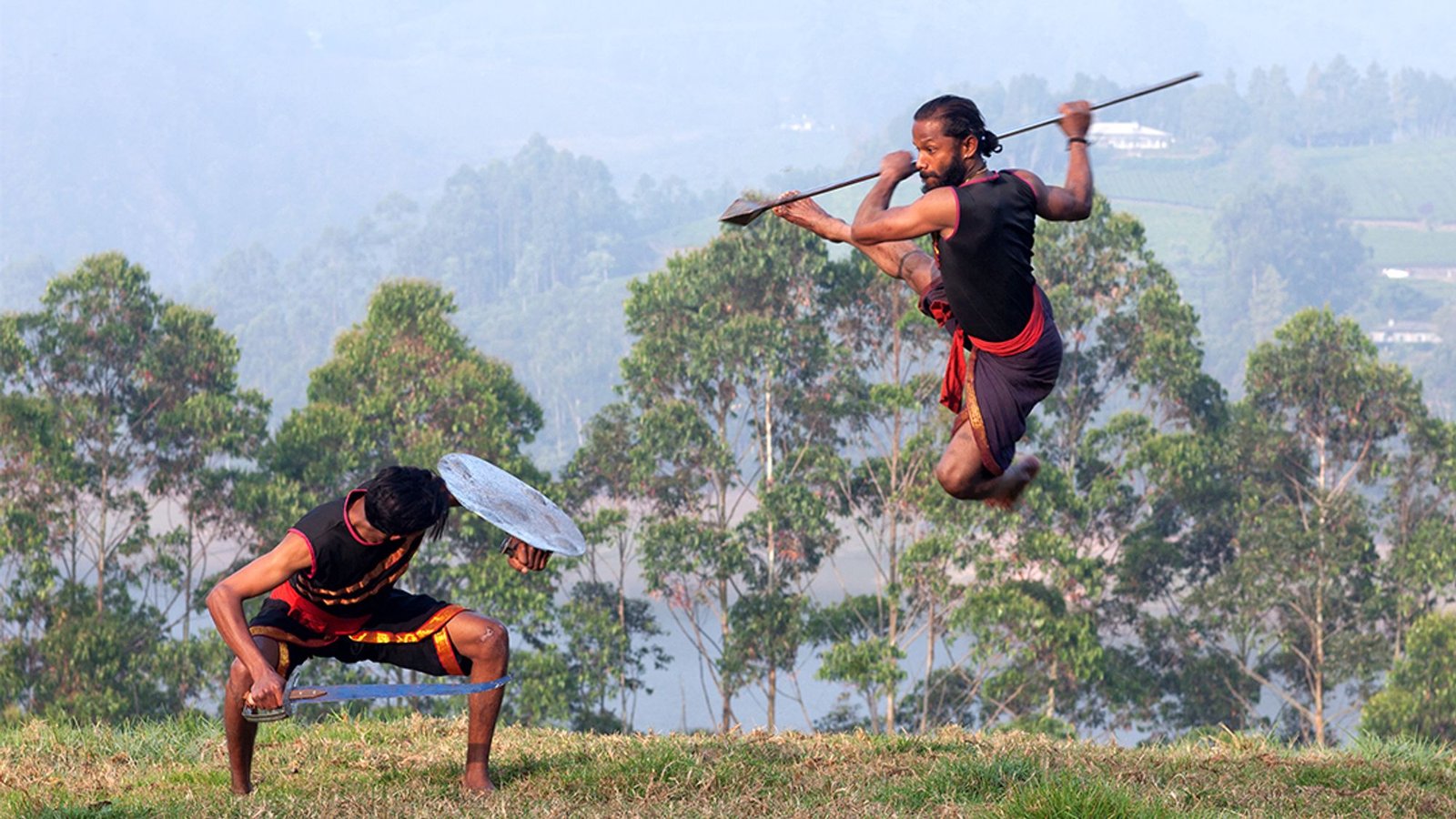
The state sports authority has announced a regional tournament focused on Indigenous Sports, with traditional archery and wrestling at the center of the event. The initiative aims to promote traditional sporting practices, provide athletes with a competitive platform, and strengthen public interest in indigenous games across the region.
Heritage Walk Tour: Shillong Groups Launch Guided Walks Covering British-Era Architecture
The Indigenous Sports tournament will bring traditional archery and wrestling into a regional competitive setting. The state sports authority announced the event as part of an effort to promote traditional sporting practices and provide athletes with opportunities to participate in organized competition.
Traditional sports often carry links to local history and community practices. Moreover, organized tournaments can help preserve these activities by giving younger participants opportunities to learn, practice, and compete.
The announcement also creates a platform for athletes involved in disciplines that may receive less attention than mainstream competitive sports.
However, the available information does not specify the tournament date, venue, participating states, or number of athletes expected to compete.
Indigenous Sports Tournament Highlights Traditional Archery
The Indigenous Sports tournament will feature traditional archery as one of its primary disciplines.
Traditional archery can combine sporting skill with techniques and practices developed through local cultural traditions. Furthermore, formal competitions can help athletes improve their skills while introducing younger participants to the discipline.
A regional tournament can also bring archers from different communities together, creating opportunities for competition and cultural interaction.
However, the information provided does not specify the competition format, equipment requirements, age categories, or scoring system.
Therefore, details about the archery events remain subject to further announcements from the sports authority.
The confirmed focus remains the inclusion of traditional archery within the regional tournament.
Indigenous Sports Tournament Includes Traditional Wrestling
The Indigenous Sports program will also feature traditional wrestling.
Wrestling has a long presence across many communities and can serve both sporting and cultural purposes. Moreover, organized competitions can provide wrestlers with opportunities to develop discipline, technique, fitness, and competitive experience.
Including wrestling alongside archery creates a tournament that covers different forms of traditional athletic competition.
However, the available information does not identify the specific wrestling style that the tournament will use.
Similarly, no details have been provided about weight categories, competition rules, or athlete eligibility.
Consequently, participants will need to rely on official tournament regulations once the sports authority releases them.
Indigenous Sports Initiative Supports Traditional Sporting Practices
The Indigenous Sports tournament could contribute to the preservation of traditional sporting practices by giving them an organized competitive platform.
Traditional games can face challenges when younger generations shift toward more widely promoted sports. Furthermore, formal tournaments can increase visibility and encourage communities to continue teaching traditional skills.
A regional event can also introduce traditional disciplines to audiences beyond their immediate communities.
However, one tournament alone cannot guarantee the long-term preservation of a sporting tradition.
Sustained training, coaching, youth participation, facilities, and regular competitions can all contribute to continued development.
The available information does not indicate whether the sports authority plans a broader series of indigenous sports events.
Indigenous Sports Tournament Creates Opportunities for Athletes
The Indigenous Sports tournament can provide athletes with an opportunity to compete against participants from other areas.
Regional competition can help athletes gain experience and assess their skills in a structured environment. Additionally, competitions can help sports authorities identify talented participants who may benefit from further training.
The event could therefore support both cultural preservation and athletic development.
However, the information provided does not state whether the tournament will include prizes, selection opportunities, training camps, or pathways to higher-level competitions.
Therefore, the event’s potential role in athlete development remains unclear.
Its confirmed purpose involves promoting traditional archery and wrestling through a regional tournament.
Indigenous Sports Can Encourage Youth Participation
The Indigenous Sports initiative could encourage young people to engage with traditional sporting activities.
Youth participation can play an important role in maintaining traditional practices over time. Moreover, organized tournaments can make traditional sports more visible and provide young athletes with concrete goals for training.
Schools, community organizations, and local sports groups could potentially contribute to expanding participation, although the available information does not confirm their involvement.
Therefore, the tournament’s youth-development component remains uncertain.
Further details about age categories and participation rules could clarify whether the event specifically targets younger athletes.
Indigenous Sports Tournament Strengthens Regional Cultural Exchange
The Indigenous Sports tournament could also create opportunities for cultural exchange among participating communities.
Athletes and spectators can interact through competition while learning about different sporting traditions. Furthermore, bringing traditional disciplines together in one regional event can highlight the diversity of indigenous sporting practices.
The event could therefore extend beyond athletic competition and provide a platform for cultural engagement.
However, the available information does not specify which communities or states will participate.
Consequently, the scale of the regional cultural exchange remains unknown.
The sports authority’s announcement establishes the tournament’s focus but does not yet provide its complete program.
Conclusion
The Indigenous Sports tournament marks an effort by the state sports authority to promote traditional archery and wrestling through organized regional competition. The event can provide athletes with a competitive platform while bringing greater visibility to sporting practices connected with local communities and traditions.
Moreover, regular competitions can encourage youth participation, preserve traditional skills, and create opportunities for athletes to develop their abilities. However, the available information does not specify the tournament date, venue, participating regions, competition rules, or athlete categories.
Overall, the Indigenous Sports tournament could strengthen interest in traditional archery and wrestling while supporting broader cultural and sporting engagement. Its long-term significance will depend on participation levels and whether authorities continue to provide regular platforms for indigenous sporting disciplines.
FAQs
1. What is the Indigenous Sports tournament?
The Indigenous Sports tournament is a regional sporting event announced by the state sports authority that will focus on traditional archery and wrestling.
2. Which sports will feature in the tournament?
The announced tournament will focus on traditional archery and wrestling.
3. Why are Indigenous Sports important?
Indigenous sports can preserve traditional skills and cultural practices while providing communities with opportunities for athletic competition.
4. Will young athletes participate?
The available information does not specify age categories or youth participation requirements. Further tournament guidelines should provide those details.
5. When and where will the tournament take place?
The available information does not provide a confirmed date or venue for the regional tournament.