

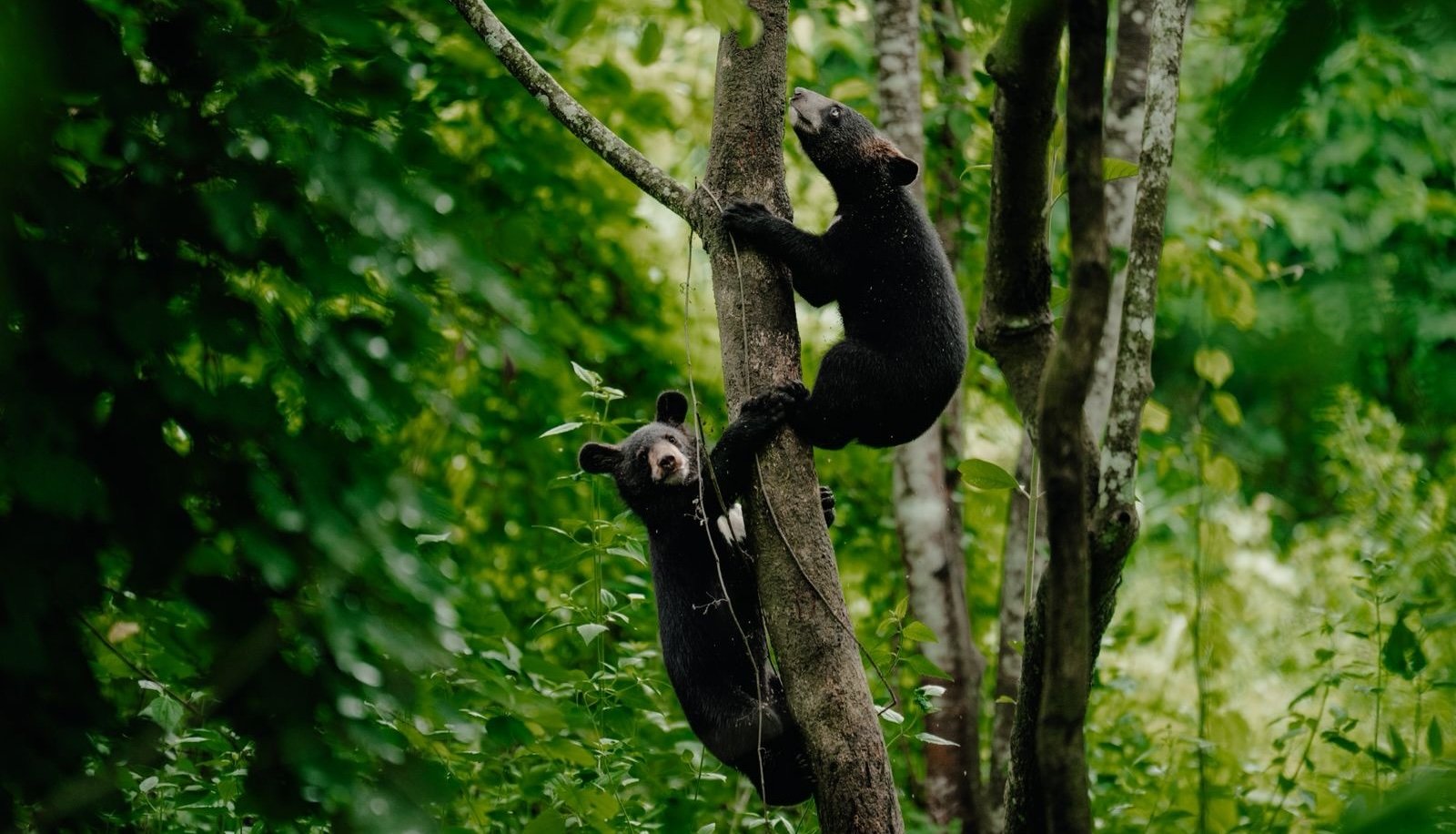
The Asiatic Bear Cubs Release has emerged as a significant conservation achievement after wildlife authorities successfully reintroduced two orphaned Asiatic black bear cubs into Dehing Patkai National Park. The milestone highlights ongoing efforts to protect wildlife and restore animals to their natural habitats.
Remarkable Tezpur Litchi Export Success Reaches Global Markets
Major TIPRA Motha Membership Drive Expands Grassroots Reach
Asiatic Bear Cubs Release Celebrates Conservation Progress
Wildlife officials successfully released two orphaned Asiatic black bear cubs into Dehing Patkai National Park after an extensive rehabilitation process. Moreover, the achievement reflects the dedication of conservation teams working to protect vulnerable wildlife species.
The release marks an important step in ensuring the cubs can live independently in their natural environment. Additionally, it demonstrates the effectiveness of long-term rehabilitation and monitoring efforts.
Orphaned Cubs Receive Specialized Care
The two cubs required intensive care after losing their mothers at an early age. Furthermore, wildlife experts focused on providing nutrition, medical treatment, and behavioral training necessary for survival in the wild.
Caregivers minimized unnecessary human interaction whenever possible. Consequently, the cubs developed natural instincts that improved their chances of adapting successfully after release.
Dehing Patkai National Park Provides Ideal Habitat
Dehing Patkai National Park offers a suitable environment for Asiatic black bears due to its rich biodiversity and dense forest cover. Moreover, the protected area supports a wide variety of wildlife and plant species.
The park’s natural resources provide food, shelter, and safe movement corridors. Therefore, conservation authorities selected the location carefully to maximize the cubs’ chances of survival.
Rehabilitation Process Focused on Wild Behavior
Conservation teams designed the rehabilitation program to encourage natural behavior and independence. Additionally, experts ensured that the cubs learned essential survival skills before returning to the wild.
The process included gradual exposure to natural surroundings and food sources. Furthermore, continuous assessments helped specialists determine the appropriate time for release.
Wildlife Experts Monitor Post-Release Adaptation
Following the release, wildlife authorities plan to monitor the bears’ progress in their natural habitat. Moreover, monitoring efforts will help experts understand how successfully the cubs adapt to life in the forest.
Data collected during this phase can support future conservation projects. As a result, wildlife managers can refine rehabilitation strategies for other rescued animals.
Importance of Protecting Asiatic Black Bears
Asiatic black bears play an important role in maintaining ecological balance within forest ecosystems. Furthermore, they contribute to seed dispersal and support natural forest regeneration.
Conservation programs aim to protect these animals from habitat loss and other threats. Consequently, successful rehabilitation and release efforts remain essential for long-term species conservation.
Conservation Teams Receive Recognition
The successful release has drawn praise from environmental organizations, wildlife enthusiasts, and conservation experts. Moreover, many observers have recognized the dedication required to rehabilitate orphaned wild animals.
The achievement highlights the importance of collaboration among veterinarians, forest officials, and conservation workers. Additionally, it showcases the positive outcomes that can result from sustained wildlife protection efforts.
Asiatic Bear Cubs Release Inspires Conservation Awareness
The Asiatic Bear Cubs Release has also increased public awareness about wildlife conservation. Furthermore, the story demonstrates how targeted interventions can help vulnerable animals return to their natural habitats.
Many conservation advocates hope the achievement will encourage greater support for wildlife protection initiatives. Similarly, educational efforts can inspire communities to participate in conservation activities.
Dehing Patkai Strengthens Its Conservation Role
Dehing Patkai National Park continues to play a vital role in preserving biodiversity in northeastern India. Moreover, the successful release reinforces the park’s importance as a sanctuary for wildlife conservation.
Protected areas provide essential habitats for numerous species. Therefore, continued investment in conservation and habitat protection remains critical for long-term ecological sustainability.
Conclusion
The Asiatic Bear Cubs Release in Dehing Patkai National Park represents a major conservation milestone and a testament to the dedication of wildlife rehabilitation teams. Through careful planning, specialized care, and extensive preparation, conservation experts successfully returned two orphaned Asiatic black bear cubs to their natural habitat. Moreover, the achievement demonstrates how coordinated efforts can contribute to wildlife protection and ecosystem preservation.
The release also highlights the importance of protected areas such as Dehing Patkai National Park in supporting biodiversity and providing safe environments for wildlife. Furthermore, ongoing monitoring will help authorities assess the cubs’ adaptation and gather valuable insights for future rehabilitation programs. The Asiatic Bear Cubs Release therefore stands as an encouraging example of successful conservation action and the positive impact of long-term wildlife management efforts.
FAQs
1. What happened to the bear cubs before their release?
The cubs became orphaned and entered a rehabilitation program under wildlife experts. Moreover, they received care and training to prepare for life in the wild.
2. Where were the cubs released?
Authorities released the cubs into Dehing Patkai National Park in Assam. Additionally, the park offers suitable habitat and abundant natural resources.
3. Why is this release important?
The release demonstrates the success of wildlife rehabilitation and conservation programs. Furthermore, it supports efforts to protect Asiatic black bears in their natural environment.
4. Will authorities monitor the cubs after release?
Yes, wildlife officials plan to monitor the bears’ adaptation to the wild. Consequently, experts can evaluate the effectiveness of the rehabilitation process.
5. What does the Asiatic Bear Cubs Release signify?
The Asiatic Bear Cubs Release signifies a successful conservation effort that returned orphaned wildlife to its natural habitat. Moreover, it highlights the importance of protecting biodiversity through dedicated conservation initiatives.