

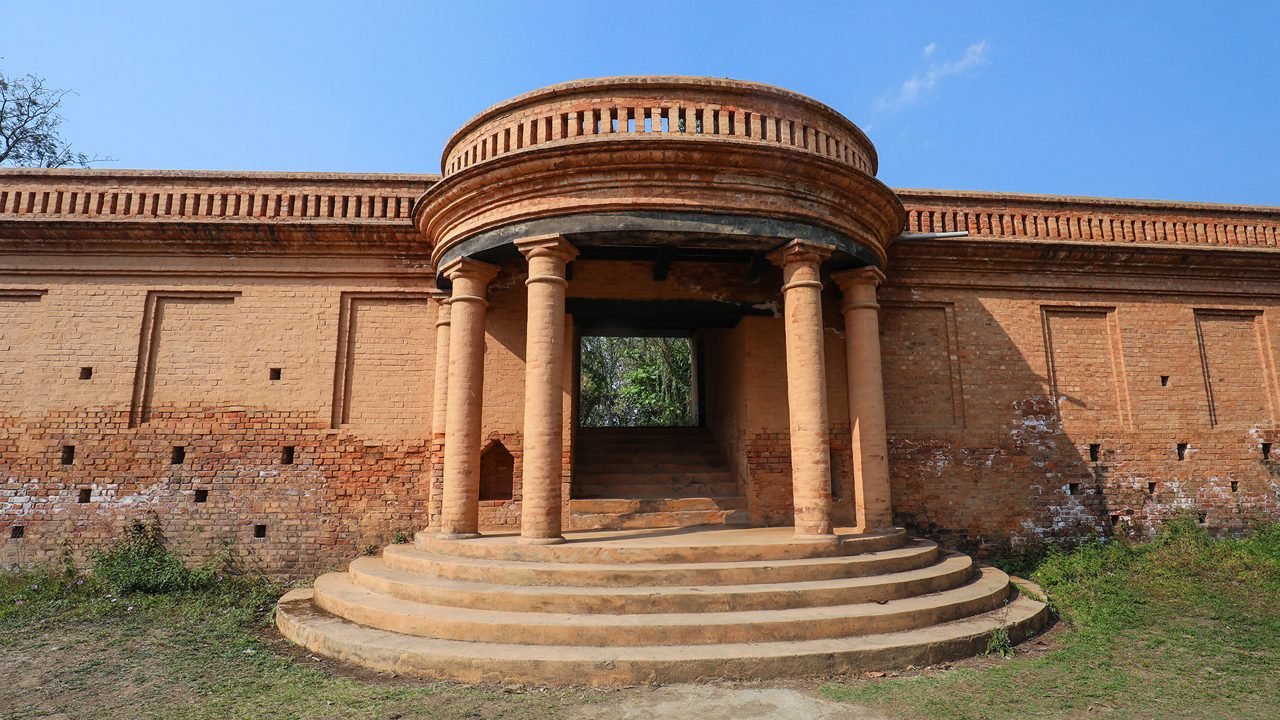
The Kangla Fort Upkeep (MN) initiative has received a boost as administrative wings sanctioned restoration budgets for historic royal sites inside Imphal. The move aims to support the preservation of important heritage locations and strengthen ongoing efforts to protect Manipur’s historical and cultural assets.
The Kangla Fort Upkeep (MN) development centers on restoration funding for historic royal sites located within the Kangla complex in Imphal. Administrative authorities have sanctioned budgets to support preservation work at these important heritage locations.
Kangla Fort holds major historical significance in Manipur and has long served as an important symbol of the state’s royal and cultural heritage. Moreover, maintaining historic structures can help protect architectural features and cultural spaces for future generations.
The newly sanctioned funding provides financial support for restoration activities. However, the information available does not specify the total amount sanctioned, the individual sites included, or the timeline for completing the restoration work.
Therefore, further details from the relevant administrative authorities will be needed to establish the precise scope of the project.
Sikkim National Highway 10: Emergency Restoration Begins After Repeated Rain Disruptions
Kangla Fort Upkeep (MN) Supports Heritage Restoration
The Kangla Fort Upkeep (MN) initiative focuses on restoration work at historic royal sites inside the Kangla complex.
Heritage structures can deteriorate over time because of weather exposure, age, environmental conditions, and regular visitor activity. Consequently, restoration programs can help preserve architectural elements and prevent further deterioration.
Furthermore, restoration requires careful planning because heritage structures often contain historical features that need specialized treatment.
The sanctioned budgets can provide authorities with the resources required to undertake approved conservation activities. However, the available information does not identify the specific restoration methods that officials will use.
Similarly, it does not clarify whether the work will involve structural repairs, architectural conservation, landscaping, visitor facilities, or other improvements.
Therefore, the confirmed development remains the sanctioning of restoration budgets for historic royal sites.
Kangla Fort Upkeep (MN) Protects Historic Royal Sites
The Kangla Fort Upkeep (MN) has broader importance because the sites within the complex form part of Manipur’s historical heritage.
Kangla served as the traditional seat of Manipur’s rulers and remains closely associated with the state’s history. Moreover, preserving historic structures allows future generations to maintain a physical connection with important periods of the region’s past.
Restoration can also help protect architectural details and cultural spaces that may otherwise face gradual deterioration.
However, heritage conservation requires a balance between restoration and preservation. Authorities must ensure that restoration work respects the historical character of protected structures rather than replacing original features unnecessarily.
The available information does not provide details about the conservation standards or technical guidelines governing the newly funded projects.
Consequently, those aspects will depend on the plans developed by the responsible heritage and administrative agencies.
Kangla Fort Upkeep (MN) Could Strengthen Heritage Tourism
The Kangla Fort Upkeep (MN) initiative could also have implications for heritage tourism in Imphal.
Well-maintained historic sites can provide visitors with better opportunities to understand a region’s architecture, history, and cultural traditions. Furthermore, heritage tourism can generate activity for local guides, artisans, transport providers, and other tourism-related businesses.
However, restoration funding does not automatically guarantee increased tourism. Visitor numbers can also depend on accessibility, interpretation facilities, security, promotion, and the broader tourism environment.
The information provided does not state whether the sanctioned budgets include improvements designed specifically for visitors.
Therefore, any future tourism impact would depend on how authorities implement the restoration and manage the heritage sites afterward.
Kangla Fort Upkeep (MN) Requires Careful Conservation
The Kangla Fort Upkeep (MN) will require careful implementation because restoration work at historic sites involves more than repairing visible damage.
Moreover, conservation teams may need to document existing structures, assess their condition, and select appropriate materials and techniques before beginning major interventions.
Proper maintenance after restoration will also remain important. Additionally, regular inspections can help authorities identify deterioration early and reduce the need for extensive repairs later.
However, the available information does not provide the project schedule, contractors, conservation specialists, or monitoring arrangements.
Consequently, the long-term success of the restoration effort will depend on implementation and continued upkeep beyond the initial budget allocation.
Conclusion
The Kangla Fort Upkeep (MN) initiative marks a significant administrative step toward preserving historic royal sites inside the Kangla complex in Imphal. Authorities have sanctioned restoration budgets to support conservation work at these important heritage locations.
Moreover, protecting historic structures can preserve Manipur’s architectural and cultural heritage while maintaining important sites for future generations. Careful restoration can also support broader efforts to promote heritage awareness and potentially strengthen cultural tourism.
Overall, the Kangla Fort Upkeep (MN) development highlights the importance of sustained investment in heritage conservation. While the available information does not specify the sanctioned amount, individual sites, or project timeline, further official updates will clarify how the restoration program will protect Kangla’s historic royal heritage.
FAQs
1. What is the Kangla Fort Upkeep (MN) initiative?
The Kangla Fort Upkeep (MN) initiative refers to restoration funding sanctioned for historic royal sites located inside the Kangla complex in Imphal.
2. Why is restoration work important at Kangla Fort?
Restoration can help protect historic structures from deterioration and preserve important architectural and cultural features for future generations.
3. Has the total restoration budget been announced?
The information provided confirms that restoration budgets have been sanctioned but does not specify the total amount.
4. Could restoration support tourism?
Well-maintained heritage sites can potentially strengthen cultural and heritage tourism. However, tourism outcomes also depend on accessibility, visitor facilities, promotion, and other factors.
5. Who will carry out the restoration work?
The available information does not identify the specific agencies, contractors, or conservation specialists responsible for the restoration projects.