


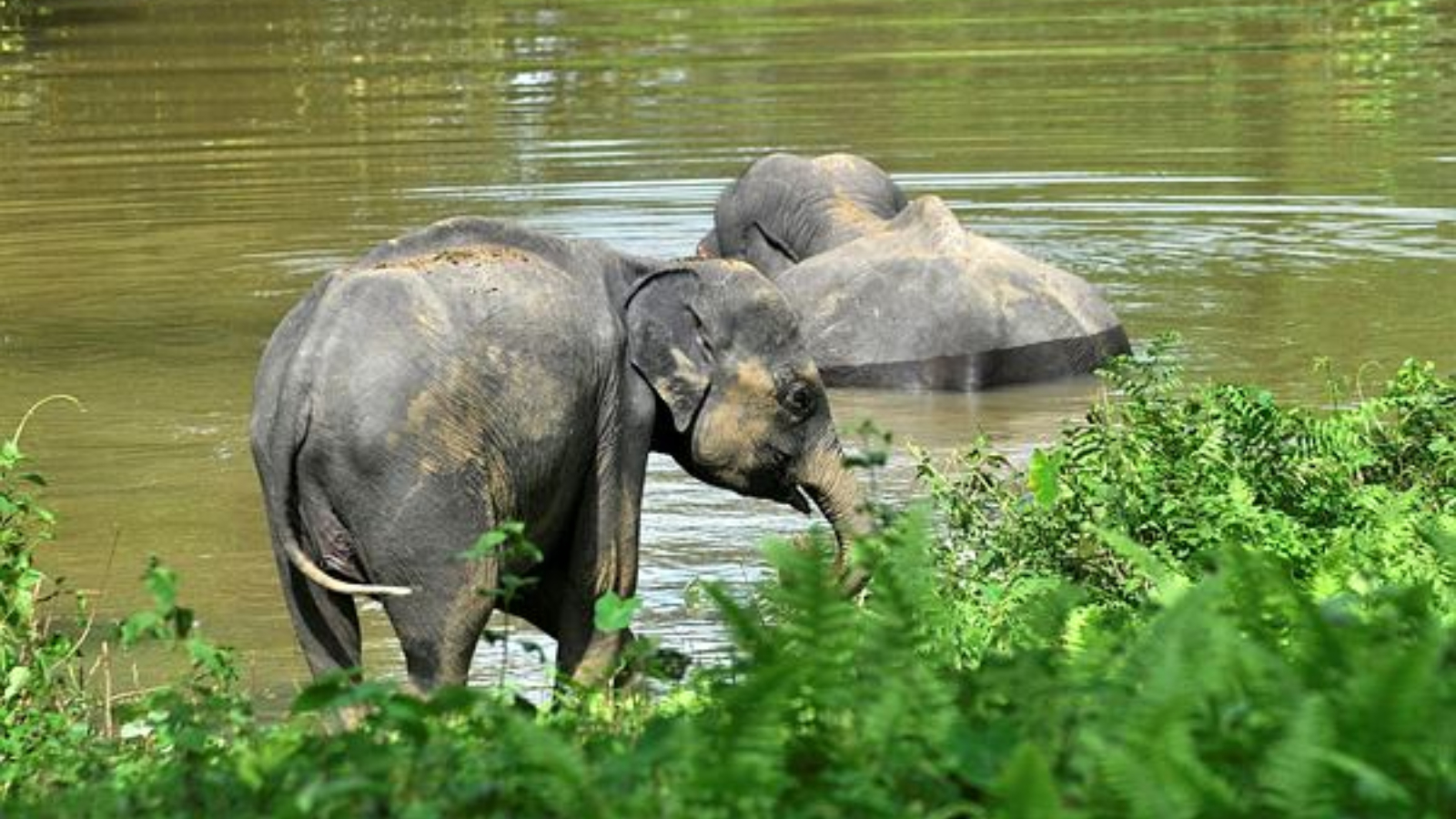
The Kaziranga Submergence situation has intensified as wildlife officials confirmed that more than 40% of the national park’s inner patrolling camps are underwater. Rising water has disrupted access to several monitoring locations and created additional challenges for wildlife protection teams operating inside Kaziranga National Park.
The flooding highlights the vulnerability of wildlife infrastructure during periods of high water. Moreover, patrolling camps play an important role in helping forest personnel monitor animal movement, protect habitats, and maintain security across the park.
The reported submergence has therefore created operational difficulties for wildlife officials. However, the available information does not specify the current water level, the number of personnel affected, or the condition of individual camps.
Bamboo Charcoal Export (MZ): Mizoram Green Ventures Begin Exporting High-Grade Activated Charcoal
Kaziranga Submergence Affects Patrolling Infrastructure
The Kaziranga Submergence has placed more than 40% of inner patrolling camps underwater.
These camps support forest personnel who monitor different parts of the national park. Furthermore, submerged facilities can restrict access to areas that officials normally use for regular patrols and wildlife protection activities.
The disruption can make routine monitoring more difficult during high-water conditions.
However, the available information does not identify the specific camps that have become submerged.
Kaziranga Submergence Creates Wildlife Protection Challenges
The Kaziranga Submergence can complicate wildlife monitoring across affected areas.
Flooding changes animal movement patterns and can push wildlife toward higher ground. Additionally, forest personnel may need to adjust patrol routes when regular pathways and facilities become inaccessible.
Maintaining surveillance remains important during such conditions.
However, the available information does not provide details about changes in animal movement inside the park.
Kaziranga Submergence Tests Emergency Preparedness
The Kaziranga Submergence highlights the importance of emergency preparedness within flood-prone wildlife habitats.
Forest authorities need suitable plans for maintaining communication, monitoring wildlife, and protecting personnel when water levels rise. Moreover, accessible higher-ground facilities can support operations when lower areas become difficult to reach.
Preparedness can help reduce operational disruptions during flooding.
However, the available information does not specify which emergency measures officials have activated.
Kaziranga Submergence Affects Inner Park Operations
The Kaziranga Submergence has particularly affected the park’s inner areas, where several patrolling camps now remain underwater.
Inner areas can present logistical challenges because access may depend on specialized transport and established patrol routes. Furthermore, submerged camps can limit the ability of personnel to operate from their usual locations.
Authorities may therefore need to rely on alternative arrangements.
However, the available information does not indicate whether officials have relocated personnel from the affected camps.
Kaziranga Submergence Highlights Importance of Elevated Camps
The Kaziranga Submergence demonstrates why elevated and flood-resilient infrastructure matters in wildlife reserves.
Kaziranga experiences seasonal flooding, making suitable infrastructure important for both wildlife and forest personnel. Additionally, elevated structures can provide safer operating locations when surrounding areas become submerged.
Long-term infrastructure planning can therefore strengthen park management.
However, the available information does not specify whether authorities plan to construct or upgrade additional elevated patrolling camps.
Kaziranga Submergence Could Disrupt Regular Patrols
The Kaziranga Submergence may reduce the ability of forest teams to conduct routine patrols from affected camps.
Regular patrols help officials monitor wildlife, identify potential threats, and maintain protection across the park. Moreover, flooding can force personnel to change routes or wait for safer conditions before entering certain areas.
Maintaining patrol coverage can therefore become more challenging during major flooding.
However, the available information does not quantify any reduction in patrol activity.
Kaziranga Submergence Requires Continued Monitoring
The Kaziranga Submergence requires officials to closely monitor both water conditions and wildlife movement.
Flood conditions can change rapidly, making regular assessments important for planning patrols and protecting personnel. Furthermore, monitoring can help authorities identify areas where animals or people may require assistance.
Continued observation can support timely decisions.
However, the available information does not provide the current rate of water rise or fall inside the park.
Kaziranga Submergence Highlights Wildlife Habitat Resilience
The Kaziranga Submergence also demonstrates the role of flooding in the park’s wider ecological environment.
Seasonal flooding can influence grasslands, wetlands, and wildlife movement across Kaziranga. Additionally, animals may move toward elevated areas when water covers lower sections of their habitat.
The challenge for authorities lies in protecting wildlife and personnel while managing operations during these conditions.
However, the available information does not provide an assessment of the ecological effects of the current flooding.
Kaziranga Submergence Puts Personnel Safety First
The Kaziranga Submergence also raises concerns about the safety of forest personnel working inside submerged areas.
Patrolling teams need safe access to operational facilities and reliable routes when water levels increase. Moreover, restricting movement in dangerous conditions can protect personnel from unnecessary risks.
Authorities may need to balance wildlife-monitoring needs with staff safety.
However, the available information does not report any injuries or emergencies involving forest personnel.
Kaziranga Submergence Could Encourage Infrastructure Upgrades
The Kaziranga Submergence may encourage authorities to examine the resilience of patrolling infrastructure.
Flood-resistant buildings, elevated camps, improved communication systems, and reliable transport arrangements could strengthen operations during future high-water events. Furthermore, infrastructure upgrades can help reduce dependence on facilities located in areas that frequently become inaccessible.
Such improvements could support long-term park management.
However, no specific infrastructure upgrade programme has been confirmed in the information provided.
Conclusion
The Kaziranga Submergence has affected wildlife operations after officials confirmed that more than 40% of the national park’s inner patrolling camps are underwater. The situation has created additional challenges for forest personnel responsible for monitoring and protecting wildlife across the park.
Moreover, the flooding highlights the importance of resilient patrolling infrastructure, emergency preparedness, personnel safety, and continued wildlife monitoring. However, the available information does not provide the current water level, the exact camps affected, the number of personnel relocated, or any verified wildlife casualty figures.
Overall, the Kaziranga Submergence demonstrates how high-water conditions can disrupt essential wildlife-management infrastructure. Strengthening elevated facilities, emergency planning, communication systems, and alternative patrol arrangements could improve the park’s resilience during future flooding events.
FAQs
1. What is the Kaziranga Submergence situation?
Wildlife officials have confirmed that more than 40% of Kaziranga National Park’s inner patrolling camps are underwater.
2. Why are patrolling camps important?
They provide operational bases for forest personnel who monitor wildlife, protect habitats, and conduct regular patrols.
3. How does flooding affect park operations?
Submerged camps and routes can restrict access and make regular wildlife monitoring more difficult.
4. Does the flooding mean all of Kaziranga is underwater?
No. The reported figure specifically concerns more than 40% of inner patrolling camps, not the entire national park.
5. Have wildlife casualties been confirmed?
The information provided does not confirm any specific wildlife casualties.