


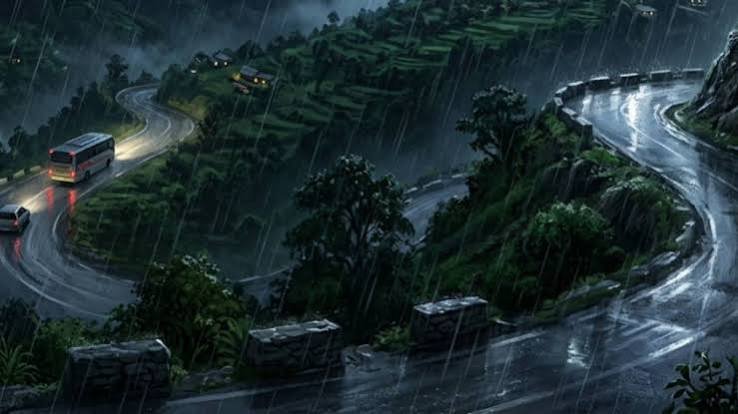
The Night Transit Bans have been introduced as the Assam State Disaster Management Authority (ASDMA) prohibited night driving on vulnerable mountain highways. The measure aims to reduce travel risks on routes that may become dangerous after dark, particularly during periods of unstable weather and difficult road conditions.
Night-time travel can become more hazardous on mountainous roads because limited visibility can make it harder for drivers to identify landslides, fallen debris, damaged road surfaces, or other obstacles. Moreover, heavy rainfall can increase risks on vulnerable highway sections.
The restriction reflects a precautionary approach to disaster and road safety management. However, the available information does not specify the highways covered, the exact restricted hours, or the duration of the prohibition.
Bamboo Charcoal Export (MZ): Mizoram Green Ventures Begin Exporting High-Grade Activated Charcoal
Night Transit Bans Target High-Risk Mountain Routes
The Night Transit Bans apply to vulnerable mountain highways under the reported ASDMA directive.
Mountain roads can present additional risks when visibility decreases after sunset. Furthermore, rainfall can affect road stability and increase the possibility of falling debris, landslides, and temporary blockages.
Restricting traffic during the night can therefore reduce exposure to potentially hazardous conditions.
However, the available information does not identify the specific highway stretches covered by the restriction.
Night Transit Bans Focus on Driver Safety
The Night Transit Bans aim to protect drivers and passengers travelling through vulnerable areas.
Limited visibility can make hazards more difficult to detect and respond to in time. Additionally, emergency teams may face greater challenges when responding to incidents on remote mountain roads during the night.
Reducing traffic during high-risk periods can help limit these dangers.
However, the available information does not provide details about the number of travellers or vehicles expected to be affected.
Night Transit Bans Respond to Weather-Related Risks
The Night Transit Bans reflect concerns about travel conditions on mountain highways during periods of adverse weather.
Heavy rainfall can weaken slopes and contribute to landslides or falling rocks. Moreover, water accumulation and damaged road surfaces can make driving more difficult, particularly when visibility remains poor.
Authorities can use temporary restrictions to reduce risks during vulnerable periods.
However, the available information does not specify whether the current measure directly responds to a particular rainfall event.
Night Transit Bans Could Reduce Accident Risks
The Night Transit Bans could help reduce the likelihood of traffic incidents on hazardous mountain roads.
Drivers may have less time to react when they encounter debris, road damage, or sudden obstructions after dark. Furthermore, restricting traffic can reduce the number of vehicles exposed to dangerous highway conditions.
The measure therefore serves as a preventive safety step.
However, the available information does not provide accident statistics or identify any specific incident that prompted the restriction.
Night Transit Bans Affect Commercial Transport
The Night Transit Bans could affect commercial vehicles that normally travel through mountain corridors after dark.
Trucks and other transport operators may need to adjust travel schedules when authorities restrict night movement. Additionally, delays could affect the movement of goods between different parts of the state.
Transport operators may therefore need to plan journeys around the restricted periods.
However, the available information does not specify whether the restriction applies to all vehicle categories or only selected types.
Night Transit Bans Require Clear Public Communication
The Night Transit Bans make timely communication important for motorists and transport operators.
Drivers need clear information about affected routes, restriction hours, alternative roads, and reopening conditions. Moreover, advance notices can help prevent vehicles from reaching restricted highway sections without adequate planning.
Clear communication can reduce confusion and unnecessary delays.
However, the available information does not provide the exact communication channels or notice period used by ASDMA.
Night Transit Bans Could Increase Daytime Traffic
The Night Transit Bans may shift some road traffic toward daytime hours.
If commercial vehicles adjust their schedules, certain highway sections could experience increased daytime traffic. Furthermore, authorities may need to monitor congestion where large numbers of vehicles alter their travel plans.
Traffic management can therefore become important alongside the safety restriction.
However, the available information does not provide any forecast of changes in traffic volume.
Night Transit Bans Support Disaster Preparedness
The Night Transit Bans form part of a broader approach to disaster-risk reduction.
Restricting movement before dangerous conditions cause major incidents can give authorities greater control over vulnerable routes. Additionally, preventive measures can complement road inspections, weather monitoring, emergency preparedness, and landslide response.
Such coordination can improve resilience during severe weather.
However, the available information does not specify which other disaster-management measures ASDMA has activated.
Night Transit Bans Could Remain Temporary
The Night Transit Bans may remain in place only while highway conditions present elevated risks.
Authorities can reassess road safety as weather conditions change and infrastructure teams inspect affected routes. Moreover, lifting restrictions may depend on whether officials determine that travel can resume safely.
A temporary approach can allow restrictions to respond to changing conditions.
However, the available information does not provide a confirmed date for ending the prohibition.
Night Transit Bans Highlight Mountain Highway Vulnerability
The Night Transit Bans draw attention to the challenges of maintaining safe transport through Assam’s vulnerable mountain corridors.
Mountain highways can face landslides, rockfalls, flooding, and road-surface damage during periods of heavy rainfall. Furthermore, darkness can make these hazards more difficult for motorists to identify.
Long-term improvements may require stronger slope protection, drainage, monitoring, and emergency-response systems.
However, the available information does not identify any specific infrastructure projects connected to the current restriction.
Conclusion
The Night Transit Bans have been introduced after the Assam State Disaster Management Authority prohibited night driving on vulnerable mountain highways. The measure seeks to reduce risks for motorists travelling through areas where darkness and difficult weather conditions can increase exposure to road hazards.
Moreover, restricting night movement can complement weather monitoring, road inspections, and disaster preparedness efforts. However, the available information does not specify the affected highways, exact restriction hours, vehicle categories covered, or the expected duration of the ban.
Overall, the Night Transit Bans represent a precautionary approach to protecting road users on vulnerable mountain routes. Clear communication, regular road assessments, and timely review of conditions will remain important while the restrictions remain in effect.
FAQs
1. What are the Night Transit Bans?
The Night Transit Bans refer to restrictions on night driving along vulnerable mountain highways in Assam.
2. Which authority introduced the restriction?
The restriction was reportedly introduced by the Assam State Disaster Management Authority (ASDMA).
3. Why has night driving been prohibited?
The measure aims to reduce risks associated with limited visibility and potentially hazardous conditions on vulnerable mountain highways.
4. Which highways are affected?
The available information does not identify the specific highways covered by the restriction.
5. How long will the ban remain in place?
No confirmed end date has been provided in the information available.