


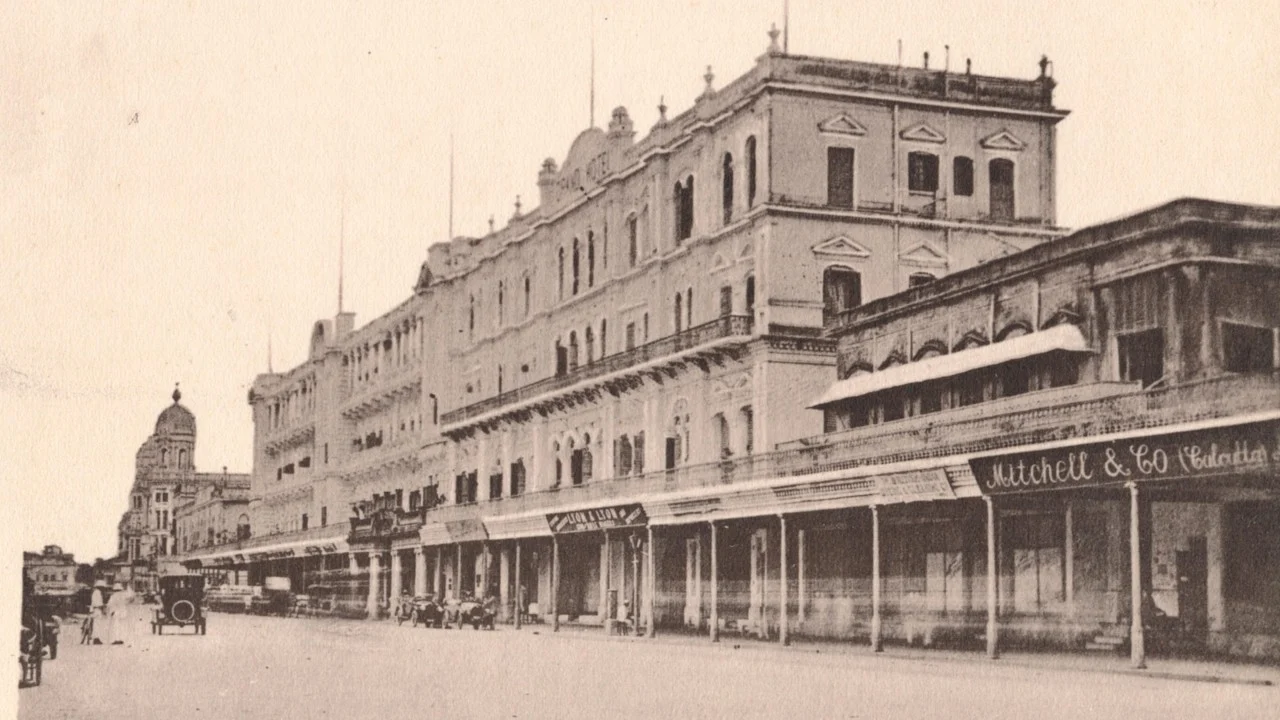
Kolkata heritage zone restoration efforts intensified after authorities launched a large-scale conservation and redevelopment campaign across historic districts in Kolkata. The ambitious cultural preservation initiative aims to restore colonial-era architecture, improve tourism infrastructure, and strengthen heritage-based economic activity throughout West Bengal. Meanwhile, officials stated that the restoration drive could significantly boost cultural tourism and international visitor interest in the city’s historic landmarks.
West Bengal Dual Degree Reform Expands University Education
Nagaland Hornbill Festival Boosts Local Artisan Economy
Major Conservation Work Begins Across Heritage Districts
Authorities confirmed that restoration activities have started across multiple heritage corridors featuring historic buildings, public squares, museums, and cultural institutions. Additionally, officials explained that conservation teams are repairing damaged structures, modernizing public amenities, and improving pedestrian accessibility throughout key tourism zones.
The redevelopment campaign reportedly focuses on preserving architectural heritage while creating a more organized tourism environment. Consequently, visitors may experience improved access to historically important neighborhoods and restored landmark buildings. Earlier, several heritage structures faced deterioration because of aging infrastructure, pollution exposure, and limited maintenance resources.
Officials from the Kolkata Municipal Corporation stated that the restoration initiative aligns with broader urban heritage preservation and tourism development goals. Furthermore, authorities indicated that future phases may include digital heritage mapping and smart tourism infrastructure upgrades.
Historic Architecture Receives Structural Upgrades
Senior conservation experts and government representatives attended inspection visits linked to restoration activities in Kolkata’s heritage districts. Meanwhile, officials highlighted the importance of protecting the city’s architectural identity and cultural legacy.
Authorities explained that restoration teams are working on colonial-era administrative buildings, educational institutions, heritage markets, and cultural landmarks. Specifically, engineers and conservation specialists are reinforcing structural stability while preserving original architectural designs. In addition, heritage researchers believe the restoration campaign may improve long-term preservation standards for historic urban infrastructure.
Several historians welcomed the initiative because Kolkata contains some of India’s most historically significant urban heritage zones. However, conservation activists stressed the need for careful restoration practices that avoid altering original architectural character. Despite this, officials confirmed that heritage experts remain directly involved in project supervision.
Tourism Infrastructure Upgrades Continue
The Kolkata heritage zone restoration project also includes expanded tourism facilities and improved public services across heritage corridors. Additionally, authorities confirmed that upgraded lighting systems, multilingual signboards, and pedestrian-friendly pathways now form part of redevelopment plans.
Tourism officials explained that many heritage areas previously lacked organized visitor infrastructure despite strong historical significance. As a result, authorities introduced urban beautification and accessibility improvements aimed at enhancing tourist experiences. Furthermore, planners continue developing guided heritage walk programs and cultural tourism circuits linked to restored districts.
Tourism analysts noted that heritage tourism increasingly attracts domestic and international travelers seeking historical and cultural experiences. Therefore, Kolkata’s restoration drive may strengthen the city’s profile within India’s cultural tourism sector.
Meanwhile, local businesses near heritage zones reported increasing public interest following the beginning of restoration activities. Authorities also stated that improved tourism movement may support restaurants, handicraft shops, and hospitality services operating in historic neighborhoods.
Cultural Institutions And Museums Gain Attention
Officials confirmed that several museums, libraries, and cultural institutions within the restoration zone may receive modernization support alongside conservation work. Additionally, authorities highlighted the importance of preserving literary, artistic, and intellectual heritage associated with Kolkata’s historical identity.
The Kolkata heritage zone restoration initiative reportedly includes plans involving exhibition upgrades and interactive cultural displays for visitors. Consequently, tourists may gain improved access to educational experiences connected to Bengal’s cultural history. Furthermore, officials introduced proposals involving heritage festivals and public cultural programs within restored districts.
Several educational institutions and cultural organizations welcomed the initiative because heritage preservation often strengthens public awareness regarding historical identity. In addition, tourism experts stated that cultural programming may increase visitor engagement and longer tourism stays within the city.
Earlier, authorities launched urban beautification campaigns involving heritage street lighting and restoration of iconic public spaces. At the same time, policymakers encouraged stronger collaboration between historians, conservation experts, and tourism agencies.
Economic Activity Expected To Increase
Authorities believe the restoration campaign may generate broader economic benefits through tourism expansion and commercial revitalization. Additionally, business associations stated that heritage tourism can stimulate growth across hospitality, retail, transportation, and entertainment sectors.
Several tourism operators explained that restored cultural districts often attract both leisure travelers and international heritage enthusiasts. Consequently, Kolkata may experience increased tourism-related commercial activity during future cultural events and travel seasons. Furthermore, officials indicated that private investment interest in heritage hotels and boutique hospitality projects continues rising.
Economic analysts observed that heritage conservation projects frequently support local employment involving restoration work, tourism services, and cultural programming. Therefore, the redevelopment initiative may strengthen both cultural preservation and urban economic activity simultaneously.
Meanwhile, residents living near historic districts welcomed improvements involving public cleanliness, lighting, and infrastructure modernization. However, community groups requested measures protecting local cultural identity from excessive commercial expansion.
Smart Technology And Digital Tourism Introduced
Officials stated that digital heritage platforms and smart tourism systems may become part of future restoration phases. Additionally, authorities explained that virtual tours, QR-based information systems, and multilingual digital guides are currently under evaluation.
The Kolkata heritage zone restoration project also encourages technology integration for visitor management and heritage education. As a result, tourists may eventually access interactive historical information through mobile applications and digital tourism services. Furthermore, planners continue studying international heritage city models involving technology-assisted cultural tourism.
Technology experts noted that digital engagement tools increasingly influence tourism experiences worldwide. In addition, urban planners believe smart heritage systems can improve visitor accessibility while supporting heritage conservation goals.
Meanwhile, educational institutions expressed interest in collaborating on digital archives and cultural documentation initiatives connected to restored heritage zones. Authorities stated that research partnerships may expand during future project stages.
Future Heritage Development Plans Remain Active
Government officials confirmed that additional restoration and cultural tourism proposals remain under consideration across Kolkata. Specifically, authorities continue reviewing plans involving waterfront heritage development, cultural districts, and expanded museum infrastructure.
Experts believe heritage tourism will remain central to Kolkata’s long-term urban identity and tourism strategy. Moreover, large-scale conservation projects may strengthen international recognition of the city’s historical and architectural significance.
The Kolkata heritage zone restoration campaign represents a major step toward cultural preservation and tourism modernization in eastern India. Ultimately, officials expect the initiative to improve heritage conservation, strengthen tourism growth, and revitalize historic districts across Kolkata.
FAQs
What is the Kolkata heritage zone restoration project?
The project is a large-scale conservation and tourism redevelopment initiative across historic districts in Kolkata.
Which structures are being restored?
Authorities are restoring colonial-era buildings, museums, heritage markets, public spaces, and cultural institutions.
Which organization oversees the restoration drive?
The Kolkata Municipal Corporation coordinates restoration and urban heritage development activities.
How may tourism benefit from the project?
Visitors may experience improved infrastructure, restored landmarks, guided heritage circuits, and enhanced cultural tourism facilities.
Are digital technologies included in the redevelopment plans?
Yes, officials are evaluating smart tourism systems, digital heritage platforms, and interactive visitor information services.
What does Kolkata heritage zone restoration mean for cultural tourism?
Kolkata heritage zone restoration may strengthen heritage preservation, increase tourist activity, and improve cultural tourism infrastructure across the city.