


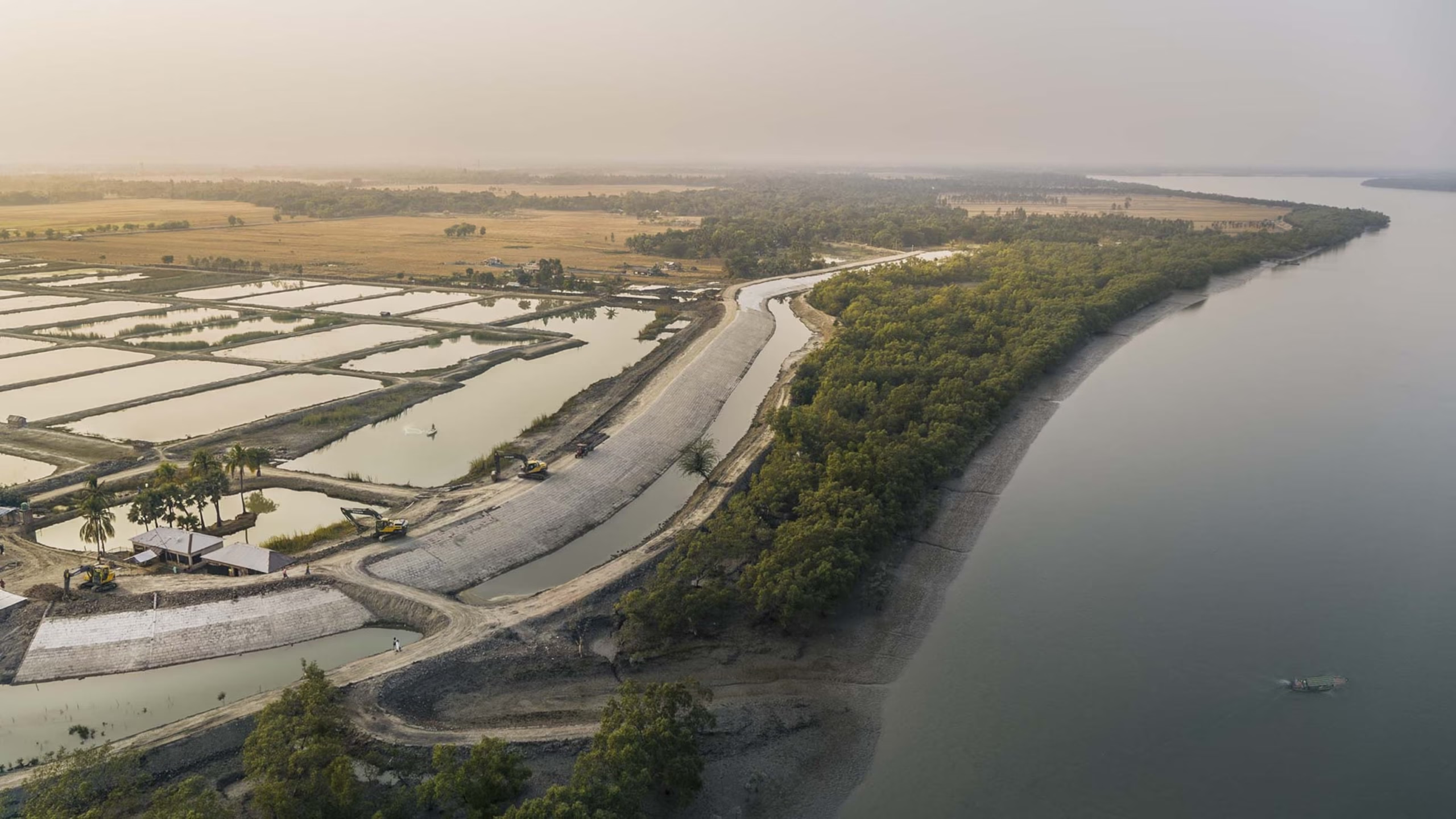
Sundarbans climate resilience project initiatives received major international support after authorities confirmed multi-million-dollar funding assistance from the World Bank. The large-scale environmental and infrastructure program aims to strengthen climate adaptation systems, improve disaster preparedness, and protect vulnerable coastal communities in the Sundarbans region. Meanwhile, officials stated that the funding could significantly improve long-term environmental sustainability and resilience against climate-related disasters.
Kolkata Heritage Zone Restoration Revives Cultural Tourism
Kolkata Metro Green Line Expands Under River
International Funding Approved For Coastal Protection
Authorities confirmed that the financial package will support embankment strengthening, ecological conservation, and climate-resilient infrastructure projects across vulnerable coastal zones. Additionally, officials explained that the funding includes support for disaster management systems, livelihood protection programs, and sustainable environmental planning.
The project reportedly focuses on communities affected by rising sea levels, cyclones, coastal erosion, and saline water intrusion. Consequently, residents in climate-sensitive island regions may receive stronger protection against future environmental threats. Earlier, repeated extreme weather events caused severe damage to homes, agriculture, and transportation infrastructure throughout parts of the Sundarbans.
Officials from the Government of West Bengal stated that the initiative represents a major step toward long-term climate adaptation planning. Furthermore, authorities indicated that implementation activities may expand gradually across multiple vulnerable coastal districts.
Climate Vulnerability Remains Major Concern
Senior representatives from environmental agencies and international development institutions attended review meetings connected to the funding approval process. Meanwhile, climate experts highlighted increasing ecological pressure on the Sundarbans due to extreme weather patterns and environmental degradation.
Authorities explained that coastal communities frequently face cyclone damage, flooding, and erosion-related displacement during severe climate events. Specifically, low-lying island settlements remain highly vulnerable to tidal surges and changing coastal conditions. In addition, environmental researchers believe climate change could intensify weather-related risks across the Bay of Bengal region over time.
Several local organizations welcomed the funding support because infrastructure protection and rehabilitation remain urgent priorities in many coastal villages. However, environmental activists emphasized the need for transparent implementation and community participation throughout the project. Despite this, officials assured residents that local consultation mechanisms would remain active during development phases.
Embankment And Disaster Infrastructure To Expand
The Sundarbans climate resilience project reportedly includes large-scale strengthening of embankments and coastal defense systems protecting vulnerable settlements. Additionally, authorities confirmed that emergency shelters, evacuation routes, and flood-resistant infrastructure may receive major upgrades under the program.
Disaster management officials explained that aging embankments and fragile infrastructure often worsen flood damage during cyclones. As a result, reinforced coastal protection systems may reduce risks facing agricultural land and residential areas. Furthermore, authorities introduced plans involving improved early warning systems and emergency response coordination technologies.
Infrastructure experts noted that climate-resilient construction has become increasingly important for coastal regions experiencing repeated natural disasters. Therefore, the Sundarbans may become a significant case study for sustainable adaptation planning in environmentally sensitive zones.
Meanwhile, local residents expressed optimism regarding stronger flood protection measures and safer evacuation infrastructure. Authorities also stated that training programs involving disaster preparedness and community response systems may begin during implementation phases.
Livelihood And Ecological Protection Measures Included
Officials confirmed that the project also supports sustainable livelihood initiatives involving fishing communities, small farmers, and forest-dependent households. Additionally, environmental planners emphasized the importance of balancing ecological conservation with community development needs.
The Sundarbans climate resilience project includes proposals involving mangrove restoration and biodiversity protection programs across fragile coastal ecosystems. Consequently, conservation measures may help reduce erosion risks while strengthening natural barriers against cyclones. Furthermore, researchers continue evaluating ecosystem-based adaptation strategies linked to climate resilience planning.
Environmental organizations welcomed the focus on mangrove protection because the Sundarbans represent one of the world’s most ecologically important coastal forest regions. In addition, conservation experts highlighted the role of mangroves in absorbing storm impact and supporting biodiversity.
Earlier, authorities launched several environmental protection campaigns involving afforestation and coastal restoration initiatives. At the same time, policymakers encouraged sustainable development practices in climate-sensitive coastal regions.
Local Communities May Receive Economic Support
Authorities stated that livelihood diversification programs may support economic resilience among vulnerable households affected by climate disruptions. Additionally, officials explained that community-based projects involving eco-tourism, fisheries, and sustainable agriculture could receive institutional assistance.
Development experts noted that climate-related displacement and agricultural losses frequently affect rural incomes in coastal areas. Consequently, alternative livelihood strategies may improve long-term economic stability for vulnerable communities. Furthermore, authorities indicated that women-led self-help groups and cooperative organizations may participate in local implementation activities.
Several economic analysts observed that climate adaptation investments often generate secondary employment opportunities involving infrastructure construction and environmental management. Therefore, project implementation may support local economic activity alongside environmental protection goals.
Meanwhile, village leaders requested continued consultation regarding rehabilitation planning and resource management systems. Authorities confirmed that district administrations would coordinate closely with local communities during implementation stages.
International Attention On Coastal Climate Adaptation Grows
The Sundarbans climate resilience project has drawn broader international attention toward climate adaptation challenges facing coastal regions in South Asia. Additionally, development agencies continue studying sustainable infrastructure models for disaster-prone ecological zones.
Officials explained that the Sundarbans remain globally significant because of their ecological diversity and environmental vulnerability. As a result, international cooperation may continue supporting climate resilience initiatives across the region. Furthermore, researchers highlighted the importance of integrating scientific data with local environmental knowledge during project planning.
Climate policy experts stated that coastal adaptation projects will become increasingly important as extreme weather events intensify globally. However, specialists also stressed the importance of long-term monitoring and transparent environmental governance mechanisms.
Meanwhile, educational institutions and research organizations expressed interest in supporting climate studies linked to the Sundarbans ecosystem. Authorities stated that scientific collaboration initiatives may expand during future project phases.
Future Climate Protection Plans Continue
Government officials confirmed that additional climate resilience and environmental infrastructure projects remain under consideration across coastal West Bengal. Specifically, authorities continue evaluating proposals involving renewable energy systems, sustainable housing, and advanced flood management technologies.
Experts believe climate adaptation planning will remain central to future coastal development policies in India. Moreover, ecosystem-based resilience strategies may strengthen long-term environmental security and disaster preparedness in vulnerable coastal regions.
The Sundarbans climate resilience project represents a major international investment in environmental protection and community safety. Ultimately, officials expect the initiative to improve disaster preparedness, strengthen coastal infrastructure, and support sustainable livelihoods throughout the Sundarbans region.
FAQs
What is the Sundarbans climate resilience project?
The project is a large-scale climate adaptation and infrastructure initiative supporting vulnerable communities in the Sundarbans region.
Which organization approved the funding?
The World Bank approved multi-million-dollar funding support for the initiative.
What infrastructure improvements are included?
The project includes embankment strengthening, disaster shelters, evacuation systems, and flood-resistant infrastructure development.
Why is the Sundarbans region vulnerable to climate change?
The coastal region faces rising sea levels, cyclones, flooding, erosion, and saline water intrusion linked to climate change.
How may local communities benefit from the project?
Residents may receive stronger disaster protection, livelihood support, and improved environmental infrastructure.
What does Sundarbans climate resilience project mean for coastal adaptation in India?
Sundarbans climate resilience project initiatives may strengthen disaster preparedness, environmental sustainability, and long-term climate adaptation planning in coastal India.