


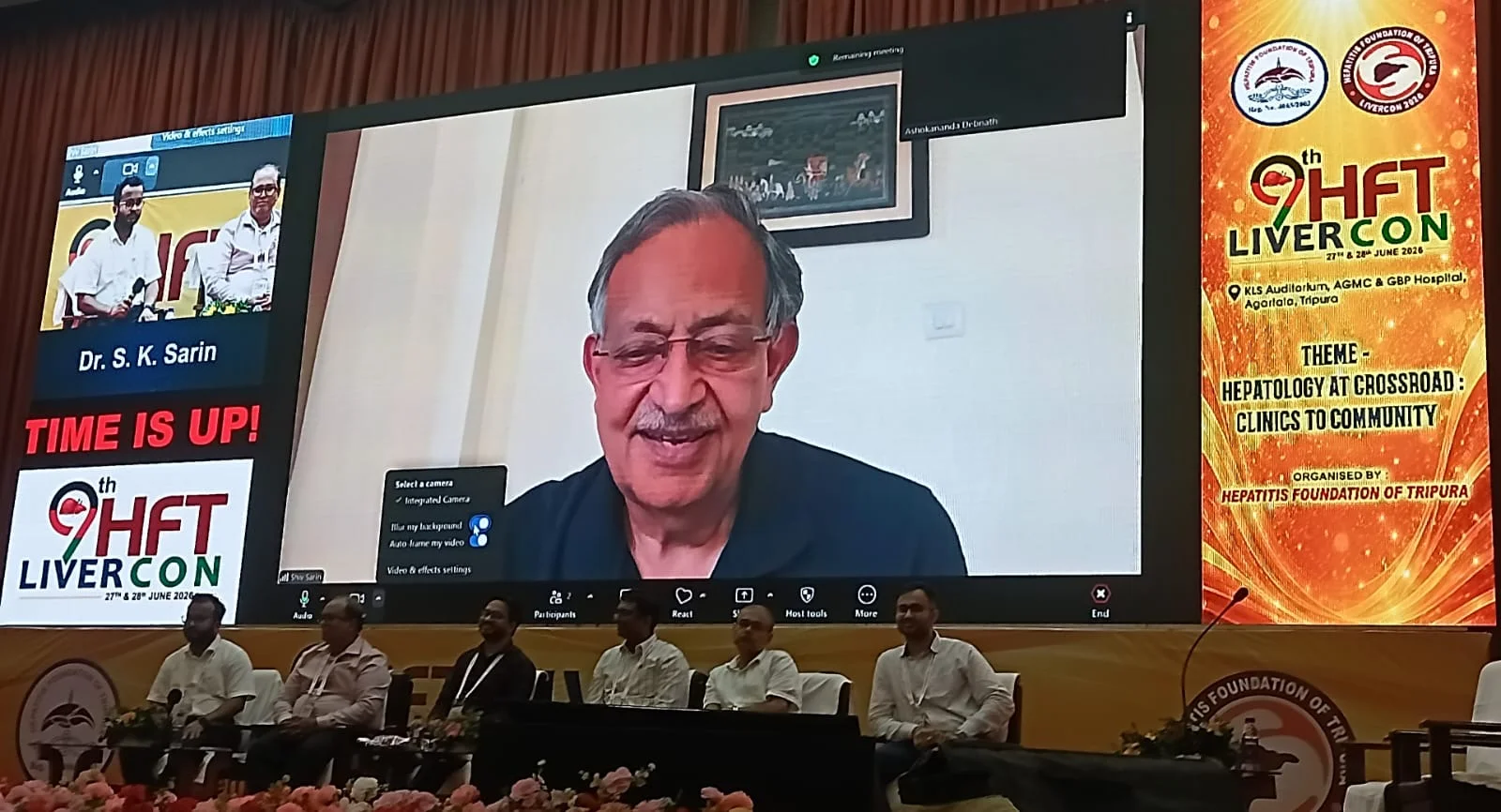
Medical experts attending the regional LiverCon IX conference have warned that India may face a significant public health challenge due to the increasing prevalence of liver diseases, particularly metabolic dysfunction-associated fatty liver disease (MAFLD), unless lifestyle patterns and preventive healthcare measures improve substantially. The experts emphasized that changing dietary habits, sedentary lifestyles, obesity, and associated metabolic disorders are contributing to a growing burden of liver-related illnesses across the country. Moreover, specialists called for greater public awareness, early diagnosis, and preventive interventions to address the emerging health crisis.
ADB Bamboo Infusion Boosts Northeast Growth
LiverCon IX Highlights Rising Burden of Liver Diseases
LiverCon IX medical experts expressed concern over the rapidly increasing incidence of liver disorders in India, particularly among younger and urban populations. Consequently, healthcare professionals emphasized the need for immediate public health interventions and awareness campaigns.
According to specialists participating in the conference, fatty liver disease has emerged as one of the most significant contributors to long-term liver complications. Moreover, lifestyle-related factors such as unhealthy diets, physical inactivity, obesity, and diabetes continue to accelerate disease prevalence. Therefore, medical professionals have urged greater attention to preventive healthcare practices.
Experts noted that many liver conditions remain undiagnosed during their early stages due to a lack of symptoms. Furthermore, delayed diagnosis often results in more serious complications requiring extensive medical treatment. As a result, early screening and regular health assessments have become increasingly important.
Meanwhile, healthcare institutions continue to strengthen efforts aimed at improving awareness and preventive care. Consequently, public health campaigns remain a major priority.
Fatty Liver Disease Emerges as a Major Public Health Concern
The LiverCon IX conference placed particular emphasis on the growing prevalence of fatty liver disease across India. Moreover, medical researchers highlighted that the condition is increasingly affecting individuals across various age groups and socioeconomic backgrounds. Therefore, experts have identified fatty liver disease as an emerging public health challenge.
Specialists explained that untreated fatty liver disease may progress to more severe conditions, including liver inflammation, fibrosis, cirrhosis, and liver failure. Consequently, early detection and lifestyle modification are considered essential components of disease management. Such interventions can significantly reduce long-term health risks.
Furthermore, experts stressed the importance of balanced nutrition, regular exercise, and management of associated conditions such as obesity and diabetes. As a result, preventive healthcare strategies have gained increased attention.
Meanwhile, ongoing research continues to improve understanding of the disease and its risk factors. Similarly, medical institutions are expanding public education initiatives.
Lifestyle Changes Identified as Critical Prevention Measures
Medical experts at LiverCon IX emphasized that lifestyle modifications remain the most effective strategy for reducing the burden of liver diseases. Moreover, preventive healthcare measures can substantially improve long-term outcomes. Therefore, public awareness campaigns have become increasingly important.
Healthcare professionals encouraged individuals to adopt healthier dietary habits, increase physical activity, maintain healthy body weight, and undergo periodic medical evaluations. Consequently, preventive interventions may help reduce the incidence of liver-related complications. Such measures also contribute to overall public health improvement.
Furthermore, experts highlighted the importance of reducing alcohol misuse and managing chronic metabolic conditions. As a result, comprehensive health strategies have been recommended.
Meanwhile, policymakers and healthcare providers continue to explore methods of strengthening preventive health systems. Similarly, public health education programs remain under development.
Experts Call for Stronger Public Health Response
The discussions at LiverCon IX underscored the need for a coordinated public health response to address the growing burden of liver diseases. Moreover, experts stressed that awareness, early diagnosis, and preventive interventions must work together to reduce future healthcare challenges. Therefore, healthcare systems may require greater investment in liver disease prevention and treatment.
Officials and specialists emphasized that collaboration among healthcare providers, researchers, policymakers, and communities will be essential. Consequently, efforts to improve access to screening and preventive care are expected to receive increased attention. Such initiatives can help mitigate the long-term impact of liver diseases.
Furthermore, experts noted that sustained public awareness campaigns can encourage healthier lifestyles and early medical consultation. As a result, preventive strategies remain a central focus of healthcare planning.
Meanwhile, medical research and clinical innovation continue to contribute to improved diagnosis and treatment approaches. Similarly, public health authorities remain engaged in developing long-term interventions.
Conclusion
The warning issued by medical experts at LiverCon IX highlights the growing challenge posed by liver diseases and fatty liver conditions in India. Moreover, the increasing prevalence of lifestyle-related health disorders underscores the importance of preventive healthcare and public awareness.
The conference emphasized that early diagnosis, healthy lifestyle choices, and coordinated public health initiatives will be critical in addressing the emerging liver disease burden. Therefore, sustained efforts by healthcare institutions, policymakers, and individuals remain essential.
As medical experts continue to study and address these challenges, preventive healthcare and lifestyle improvement strategies are expected to play a central role in safeguarding public health.
FAQs
1. What warning was issued at LiverCon IX?
Experts warned that India faces a growing liver disease crisis if lifestyle trends do not improve.
2. Which liver condition received significant attention?
Fatty liver disease was identified as a major public health concern.
3. What factors contribute to rising liver disease cases?
Unhealthy diets, obesity, diabetes, physical inactivity, and lifestyle changes.
4. Can fatty liver disease be prevented?
Yes, many cases can be prevented or managed through healthy lifestyle changes and early diagnosis.
5. What measures did experts recommend?
Regular health checkups, balanced diets, physical activity, weight management, and increased public awareness.