


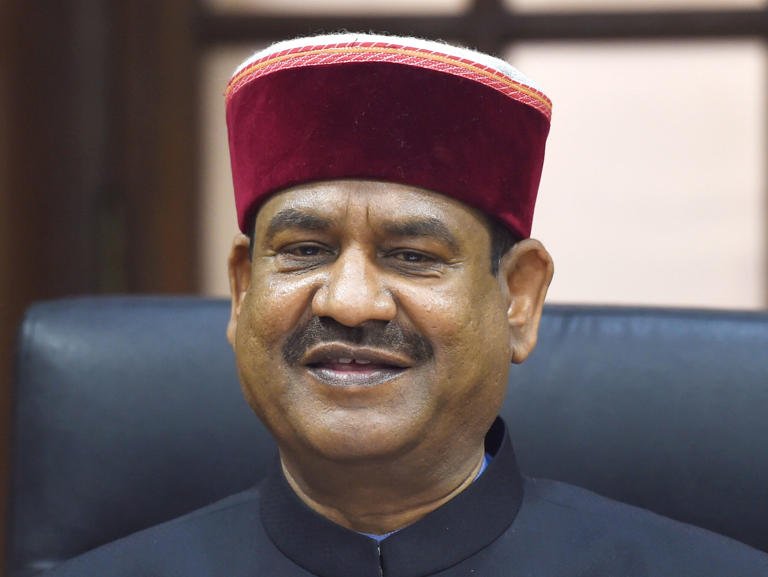
The Speaker of the Lok Sabha is set to inaugurate a two-day orientation programme for Members of the Legislative Assembly (MLAs) of West Bengal on Friday, marking an important step towards strengthening legislative functioning and improving parliamentary practices in the state. The initiative aims to equip lawmakers with a deeper understanding of legislative procedures, constitutional responsibilities, committee systems, and best practices followed in democratic institutions.
The orientation programme is expected to bring together legislators from across party lines, providing them with an opportunity to enhance their knowledge of lawmaking, parliamentary debates, and governance. Such programmes have become increasingly significant as legislative institutions seek to improve the quality of discussions, policy-making, and public representation.
The event reflects the commitment of parliamentary institutions to encourage informed participation among elected representatives while ensuring that legislative business is conducted efficiently and in accordance with constitutional principles.
Orientation Programme Aims to Strengthen Legislative Skills
The two-day programme has been designed to familiarize MLAs with various aspects of legislative functioning and parliamentary traditions. Newly elected legislators, as well as experienced members, are expected to benefit from sessions covering a wide range of topics related to governance and legislative responsibilities.
Experts and senior parliamentary officials are likely to conduct interactive sessions focusing on the functioning of legislative assemblies, preparation for debates, drafting of questions, participation in committee work, and understanding financial business in the House.
The orientation is intended to enhance lawmakers’ effectiveness by providing practical insights into legislative procedures while also encouraging meaningful participation during Assembly sessions.
Officials believe that such initiatives contribute to better governance by ensuring that legislators possess a comprehensive understanding of parliamentary rules and democratic conventions.
Lok Sabha Speaker to Address Legislators
The inaugural session will be led by the Lok Sabha Speaker, who is expected to highlight the importance of democratic institutions, legislative accountability, and constructive debate in strengthening India’s parliamentary democracy.
The Speaker is also expected to emphasize the role of elected representatives in addressing public concerns, scrutinizing government policies, and contributing to the formulation of effective laws.
Parliamentary experts often stress that legislative assemblies serve as the cornerstone of democratic governance, where diverse viewpoints are debated before policies are implemented. Through the orientation programme, legislators are expected to gain valuable insights into maintaining decorum, adhering to parliamentary ethics, and effectively utilizing legislative tools available to them.
The participation of the Lok Sabha Speaker adds national significance to the programme and underlines the importance of continuous capacity building for lawmakers across states.
Sessions to Cover Parliamentary Procedures and Constitutional Responsibilities
One of the primary objectives of the orientation programme is to deepen legislators’ understanding of constitutional provisions governing legislative bodies. Sessions are expected to include discussions on the powers and privileges of legislators, legislative drafting, constitutional obligations, and the functioning of various parliamentary committees.
Participants will also receive guidance on the procedures involved in introducing bills, raising questions, participating in debates, moving resolutions, and examining public expenditure through committee mechanisms.
Experts are likely to explain how legislative committees contribute to detailed policy scrutiny and improve accountability within the democratic system. Committee work is considered an essential component of legislative functioning because it allows lawmakers to examine issues in greater depth than is often possible during Assembly debates.
The programme may also include practical demonstrations and case studies illustrating effective parliamentary practices followed in different legislative bodies across the country.
Focus on Effective Governance and Public Representation
Beyond procedural knowledge, the orientation programme seeks to reinforce the broader responsibilities of elected representatives in serving the public. Legislators are expected to be encouraged to strengthen their engagement with constituents while effectively raising public issues within the Assembly.
Sessions may discuss methods of balancing constituency responsibilities with legislative duties, ensuring transparency, and promoting evidence-based decision-making.
Good legislative functioning depends not only on procedural expertise but also on informed participation, constructive dialogue, and accountability. Orientation programmes provide lawmakers with opportunities to exchange experiences and learn from parliamentary experts who have extensive knowledge of legislative processes.
The initiative reflects a growing recognition that continuous learning is essential even for experienced legislators as governance becomes increasingly complex.
Importance of Capacity Building in Legislative Institutions
Across India, orientation programmes for legislators have become an important feature of democratic governance. They help bridge knowledge gaps, especially for first-time legislators who may have limited prior exposure to parliamentary procedures.
Capacity-building initiatives also encourage legislators to familiarize themselves with evolving legal frameworks, constitutional developments, and emerging governance challenges.
As legislative institutions deal with increasingly complex policy matters involving technology, climate change, public finance, healthcare, education, and economic development, lawmakers are expected to possess both subject knowledge and procedural expertise.
Training programmes contribute to improving the overall quality of legislative debates while enabling members to participate more effectively in discussions affecting public welfare.
Experts believe that informed legislators are better equipped to examine proposed legislation critically, hold governments accountable, and advocate for the interests of their constituents.
Promoting Parliamentary Ethics and Democratic Values
Another important component of the orientation programme is expected to focus on parliamentary ethics and democratic values. Legislators are likely to receive guidance on maintaining decorum during proceedings, respecting differing viewpoints, and upholding the dignity of legislative institutions.
Constructive debate and adherence to parliamentary norms play a vital role in ensuring that legislative assemblies function effectively. Training sessions may include discussions on ethical conduct, conflict of interest, transparency, and responsible use of parliamentary privileges.
By reinforcing these values, the programme aims to promote healthy democratic practices while encouraging meaningful dialogue across political parties.
Strengthening ethical standards within legislative institutions contributes to greater public confidence in democratic governance and enhances the credibility of elected representatives.
Exchange of Best Practices Among Legislators
The orientation programme is also expected to facilitate interaction among legislators from different backgrounds and levels of experience. Such exchanges allow members to discuss common challenges, share successful constituency initiatives, and learn innovative approaches to legislative work.
Experienced legislators can offer valuable insights into effective participation in Assembly proceedings, while newer members gain confidence through structured learning sessions and practical guidance.
Officials believe that collaborative learning helps create a stronger legislative culture focused on informed debate, policy analysis, and public service.
By encouraging knowledge sharing and continuous professional development, the programme supports the long-term strengthening of democratic institutions in West Bengal.
A Step Towards Stronger Democratic Governance
The orientation programme for West Bengal MLAs represents a significant effort to enhance legislative capacity and reinforce democratic governance. With the Lok Sabha Speaker inaugurating the event, the programme underscores the importance of continuous learning for elected representatives entrusted with shaping public policy and representing citizens.
Through sessions on parliamentary procedures, constitutional responsibilities, committee systems, ethics, and governance, legislators are expected to gain practical knowledge that will improve the quality of legislative functioning.
As democratic institutions continue to evolve, initiatives such as this orientation programme play an essential role in promoting informed decision-making, responsible governance, and effective public representation. By investing in the professional development of legislators, parliamentary institutions reaffirm their commitment to strengthening democracy and ensuring that legislative assemblies remain effective platforms for debate, accountability, and the formulation of policies that serve the public interest.