


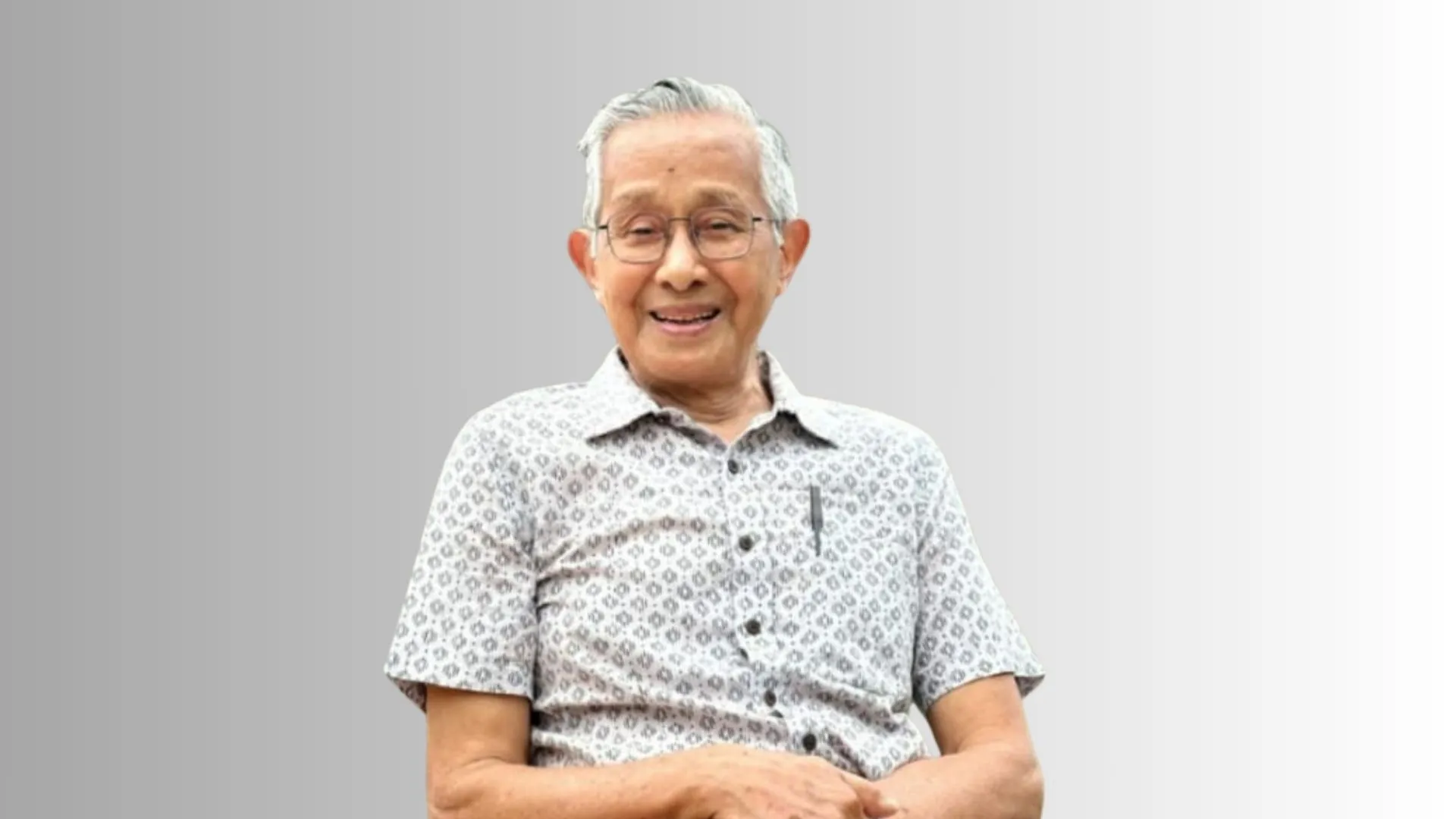
Renowned Naga peace activist, writer, educator, and reconciliation advocate Niketu Iralu has passed away, prompting widespread mourning across Nagaland and the wider Northeast. His death has drawn tributes from political leaders and public figures who recognised his decades-long contribution to peace, dialogue, and reconciliation.
Iralu devoted much of his public life to encouraging non-violent approaches to the Naga political issue. Moreover, his work focused on creating space for dialogue between communities and political stakeholders during periods of conflict and uncertainty.
His passing represents a significant loss for Naga civil society and the broader peace movement.
FM Sitharaman Asks Banks to Boost Financial Literacy for MUDRA Beneficiaries
Niketu Iralu Remembered for Peace Advocacy
The Niketu Iralu peace legacy has gained renewed attention following his death.
Iralu became widely recognised for advocating reconciliation and peaceful engagement in the Naga political context. Furthermore, he consistently emphasised dialogue and human understanding as important tools for addressing long-standing divisions.
His work extended beyond formal political negotiations and reached communities affected by conflict.
A Lifetime Dedicated to Reconciliation
Iralu’s public work centred on reconciliation rather than confrontation.
He encouraged different sections of Naga society to communicate despite political and social differences. Additionally, his approach placed importance on understanding the experiences of communities affected by decades of conflict.
His advocacy contributed to broader civil society discussions surrounding peace and reconciliation.
Writer and Educator Also Remembered
Beyond his peace activism, Iralu also made contributions as a writer and educator.
Through his writing and public engagement, he documented aspects of Naga history, society, and political development. Moreover, his educational work allowed him to engage with younger generations and encourage critical reflection on the region’s challenges.
These multiple roles shaped his influence within Naga society.
Political Leaders Express Condolences
The news of Iralu’s death prompted condolences from political leaders and senior public figures.
Their statements highlighted his commitment to peace, reconciliation, and public service. Furthermore, the tributes reflected the broad recognition of his contribution across political and social boundaries.
His ability to engage with different viewpoints remained an important part of his public reputation.
Peace Advocacy During Difficult Periods
Iralu worked during periods when political disagreements and conflict deeply affected communities across the Northeast.
Peace advocates often face the difficult task of encouraging dialogue while communities experience mistrust and division. Additionally, reconciliation requires patience because political disagreements can persist for generations.
Iralu’s long involvement in peace advocacy reflected that sustained commitment.
Naga Peace Process Gains Historical Perspective
Iralu’s work also forms part of the broader history of the Naga peace movement.
The Naga political issue has involved decades of negotiations, conflict, and competing political aspirations. Moreover, civil society figures such as Iralu contributed to discussions that extended beyond government-to-government negotiations.
Their involvement helped keep reconciliation and community dialogue within the wider peace conversation.
Reconciliation Remains Relevant
The need for reconciliation continues to hold significance in the region.
Political agreements alone cannot resolve every social division created by prolonged conflict. Furthermore, rebuilding trust between communities requires sustained engagement, dialogue, and acknowledgement of different experiences.
Iralu’s work remains relevant within that broader context.
Legacy Extends Beyond Politics
Although much of Iralu’s public work involved the Naga political issue, his influence also extended into education, writing, and social engagement.
His ability to address historical and contemporary issues helped connect political discussions with wider questions about society and identity. Additionally, his emphasis on peaceful dialogue gave his work relevance beyond formal political institutions.
His legacy will therefore remain connected to several aspects of Naga public life.
A Significant Loss for Naga Civil Society
Iralu’s passing removes a prominent voice from Naga civil society.
People who worked alongside him and those familiar with his writings are likely to remember his emphasis on dialogue and reconciliation. Moreover, his death comes at a time when the Naga political settlement remains an important regional issue.
His contributions will continue to inform discussions about peace and reconciliation.
What His Legacy Represents
The Niketu Iralu peace legacy represents a long commitment to dialogue, reconciliation, education, and peaceful engagement.
His work demonstrated the role civil society can play in addressing political conflicts. Furthermore, his advocacy showed that peacebuilding can involve educators, writers, community leaders, and ordinary citizens alongside formal political negotiators.
That broader understanding of peace remains one of his lasting contributions.
Conclusion
The Niketu Iralu peace legacy has come into renewed focus following the death of the renowned Naga peace activist and reconciliation advocate. His passing has prompted mourning and tributes from political leaders and communities across the region.
Moreover, Iralu’s decades of work in peace advocacy, writing, education, and reconciliation left a significant mark on Naga civil society. At the same time, his emphasis on dialogue and peaceful engagement remains relevant as the region continues to seek lasting political solutions.
Overall, Niketu Iralu’s legacy of reconciliation will remain an important part of the Naga peace movement and the wider history of peacebuilding in Northeast India.
FAQs
1. Who was Niketu Iralu?
Niketu Iralu was a renowned Naga peace activist, writer, educator, and reconciliation advocate who worked extensively on peace and dialogue.
2. What was Niketu Iralu known for?
He was particularly known for promoting peace, reconciliation, dialogue, and non-violent approaches to the Naga political issue.
3. Why has his death prompted widespread mourning?
Iralu had spent decades contributing to Naga civil society and peacebuilding, earning recognition across political and social circles.
4. Did Iralu work only as a peace activist?
No. He also worked as a writer and educator, using those platforms to engage with Naga history, society, and political issues.
5. What is the significance of his legacy?
The Niketu Iralu peace legacy highlights the importance of dialogue, reconciliation, and civil society participation in resolving long-standing conflicts.