


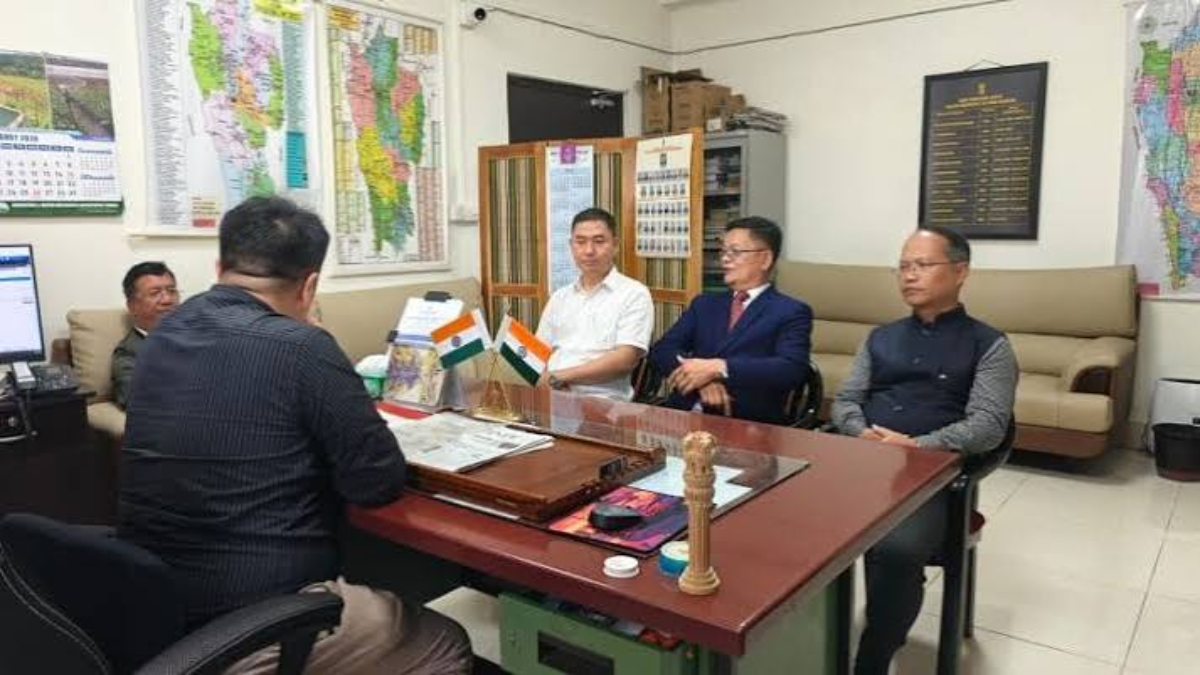
Mizoram FCRA Amendment Bill has emerged as a major political issue in the state after the Mizoram Pradesh Congress Committee (MPCC) urged the Governor to convene a special session of the Legislative Assembly to discuss and oppose the proposed amendments to the Foreign Contribution (Regulation) Act (FCRA). The Congress has argued that the proposed legislation could adversely affect churches, non-governmental organisations (NGOs), and civil society groups that rely on legitimate foreign contributions for humanitarian, educational, and social welfare activities. The demand has intensified political debate in Mizoram, where faith-based organisations play a significant role in community development.
Congress seeks urgent Assembly discussion
The Mizoram Pradesh Congress Committee has formally appealed for a special Assembly session, stating that the proposed FCRA Amendment Bill deserves a comprehensive debate before the Centre moves ahead with its implementation. According to party leaders, the Assembly should adopt a resolution expressing the state’s concerns and communicate its stand to the Union government.
Congress leaders have maintained that the issue extends beyond politics and directly impacts the functioning of churches, charitable institutions, educational organisations, and several NGOs operating across Mizoram. They argued that the Assembly should collectively represent the interests of the people instead of remaining silent on such an important matter.
Why the Mizoram FCRA Amendment Bill has triggered concerns
The proposed amendments to the Foreign Contribution (Regulation) Act have generated concerns among various organisations that receive overseas funding for developmental and humanitarian work. Critics believe stricter regulations could make it more difficult for genuine organisations to access foreign contributions, potentially affecting welfare projects in remote and underserved areas.
In Mizoram, churches and faith-based institutions have historically contributed to education, healthcare, disaster relief, and social services. Political leaders opposing the proposed amendments argue that any restrictions on legitimate foreign funding could hamper these activities.
The Congress has also claimed that the amendments may impose additional administrative burdens and increase compliance requirements for organisations already functioning under existing FCRA regulations.
Political reactions across Mizoram
The Congress has called upon all political parties in the state to rise above party differences and protect the interests of Mizoram. Party leaders said that a united resolution passed by the Assembly would send a strong message to the Centre regarding the state’s concerns.
The demand has added pressure on the ruling establishment to clarify its position on the proposed legislation. While the state government has not officially announced whether it will convene a special Assembly session, political observers believe the issue could become one of the most discussed topics in the coming weeks.
Several civil society organisations have also been closely monitoring developments surrounding the proposed legislation, although many are awaiting the government’s official response before making detailed statements.
Impact on NGOs and religious organisations
One of the primary concerns surrounding the Mizoram FCRA Amendment Bill is its possible impact on organisations involved in community welfare. Many NGOs in Mizoram work in partnership with international donors to implement projects related to healthcare, education, livelihood generation, child welfare, and disaster management.
Churches also play a vital role in providing social support, particularly in rural areas where government services may be limited. Congress leaders argued that these institutions should not face unnecessary hurdles if they comply with existing legal provisions governing foreign contributions.
They stressed that transparency and accountability are important but maintained that regulations should not unintentionally restrict genuine charitable work.
Demand for wider public consultation
The Congress has also urged the Union government to conduct broader consultations before finalising any amendments to the FCRA. Party representatives believe stakeholders, including state governments, churches, NGOs, and civil society groups, should be given an opportunity to express their views.
According to the party, public consultation would help address concerns while ensuring that any legislative changes strike a balance between national security, financial transparency, and the operational needs of genuine organisations.
Political analysts note that public participation could help reduce misunderstandings and build greater confidence among affected institutions.
Critical Assam Flood Situation: Death Toll Climbs to 47 as Over 7.21 Lakh People Affected
What happens next?
The future of the Mizoram FCRA Amendment Bill will depend on both the Centre’s legislative process and the response of the Mizoram government. If the Governor accepts the request for a special Assembly session, legislators could formally debate the issue and potentially adopt a resolution outlining the state’s position.
The Congress has indicated that it will continue raising the matter through democratic means and engage with various stakeholders to build wider support. Meanwhile, organisations likely to be affected by the proposed amendments are expected to closely monitor developments and assess their potential implications.
The debate also reflects the broader discussion across India on balancing regulatory oversight with the need to support charitable, educational, and humanitarian initiatives funded through legitimate foreign contributions.
As political discussions continue, the issue is likely to remain significant in Mizoram’s public discourse, with all eyes on the decisions taken by both the state government and the Union government regarding the proposed amendments.