

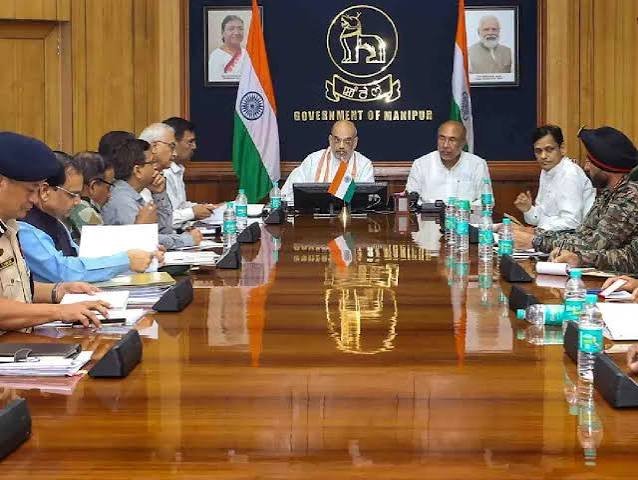
The Manipur Peace Process Memorandum has emerged as a fresh appeal for stronger and longer-term measures to restore stability in the state. An all-party delegation has submitted a new memorandum to the Centre, seeking sustained steps to support peace and improve the security environment. Moreover, the initiative reflects a broad political effort to keep stability at the centre of discussions. The memorandum could also encourage further consultations between the Centre, state authorities and political representatives.
Manipur Peace Process Memorandum Seeks Central Intervention
The Manipur Peace Process Memorandum places long-term stability at the centre of the latest political engagement. The all-party delegation has approached the Centre with a fresh set of requests focused on strengthening measures for peace and stability.
Moreover, an all-party delegation can provide a broader political platform for raising concerns before the central government.
The memorandum therefore represents an effort to communicate the concerns and priorities shared by political representatives.
Additionally, sustained central engagement can remain important when a state faces prolonged challenges to peace and public confidence.
Meanwhile, the delegation’s approach highlights the need for continued dialogue rather than short-term responses alone.
A long-term stability strategy may require coordination among different levels of government and political stakeholders.
Furthermore, effective measures need to address both immediate security concerns and the conditions required for lasting peace.
Consequently, the memorandum could contribute to further discussions between the Centre and representatives from Manipur.
However, submitting a memorandum does not itself guarantee that every demand will receive immediate approval.
Instead, it creates a formal basis for the Centre to examine the concerns raised by the delegation.
All-Party Delegation Focuses on Long-Term Stability
The Manipur Peace Process Memorandum also highlights the importance of political cooperation during a sensitive period.
When representatives from different political groups participate in a common delegation, they can present a wider range of concerns to the central government.
Therefore, the all-party approach can help place stability above individual political differences.
Moreover, long-term peace requires sustained engagement from political parties, community representatives and government institutions.
Additionally, authorities need to maintain communication with affected communities while developing measures intended to improve stability.
Meanwhile, political cooperation can help create a more consistent approach to discussions surrounding peace and security.
The memorandum consequently reflects an attempt to maintain attention on Manipur’s stability at the national level.
Furthermore, long-term measures can include continued dialogue, institutional coordination and efforts to rebuild public confidence.
However, the peace process involves complex social and political concerns. Authorities therefore need to approach each issue carefully and consider the interests of different communities.
A durable approach also requires patience and regular consultation.
Consequently, the delegation’s memorandum could become part of a broader political discussion about the next stage of the peace process.
Centre Faces Calls for Sustained Peace Measures
The Manipur Peace Process Memorandum puts additional focus on the Centre’s role in supporting long-term stability.
The all-party delegation has sought measures that can help create a more secure and peaceful environment in Manipur.
Moreover, central and state authorities need effective coordination when dealing with issues that affect public order and community confidence.
Regular communication can also help identify emerging concerns before they develop into larger challenges.
Additionally, authorities can use consultations with political representatives and communities to understand different perspectives.
Meanwhile, long-term stability depends on more than security arrangements alone.
Economic recovery, social confidence, institutional functioning and constructive dialogue can also influence the prospects for peace.
Therefore, a comprehensive approach could combine security measures with political and social engagement.
Furthermore, continued attention from national institutions can help maintain momentum in the broader peace process.
However, authorities must ensure that any measures respect democratic institutions and the concerns of affected communities.
The latest memorandum consequently adds another layer to ongoing discussions over how Manipur can move toward greater stability.
Its significance will depend largely on the response from the Centre and the follow-up consultations that may emerge.
Manipur Peace Process Requires Continued Political Dialogue
The Manipur Peace Process Memorandum reinforces the need for sustained dialogue as authorities consider long-term solutions.
Moreover, peace-building efforts generally require continued communication rather than isolated meetings or announcements.
The all-party delegation’s fresh memorandum can therefore serve as a platform for further engagement with the Centre.
Additionally, political representatives can help communicate public concerns and contribute to discussions about possible solutions.
Meanwhile, state institutions will also have an important role in implementing any measures that emerge from consultations.
Long-term stability requires consistency. Therefore, authorities may need to maintain engagement even after immediate tensions decline.
Furthermore, rebuilding trust can take time and requires transparent communication with communities.
The memorandum consequently highlights the importance of keeping stability measures active over the longer term.
However, lasting peace cannot depend on government action alone. Political parties, community representatives and civil society can also contribute to constructive dialogue.
A coordinated approach can create stronger conditions for stability.
Moreover, continued consultation can help authorities understand changing circumstances and adjust their approach when necessary.
The latest initiative therefore keeps the Manipur peace process in focus while placing renewed attention on long-term stability.
The Centre’s response and subsequent political consultations will determine how the memorandum influences the next phase of discussions.
Conclusion
The Manipur Peace Process Memorandum represents a fresh political appeal for long-term stability measures in the state. An all-party delegation has submitted the memorandum to the Centre, seeking sustained attention to peace and stability. Moreover, the initiative highlights the value of political cooperation and continued dialogue. The next steps will depend on the Centre’s response, follow-up consultations and coordination among political and administrative stakeholders.
FAQs
1. What is the Manipur Peace Process Memorandum about?
The memorandum seeks long-term measures from the Centre to support peace, stability and continued political engagement in Manipur.
2. Who submitted the memorandum?
An all-party delegation from Manipur submitted the fresh memorandum to the Centre.
3. Why is an all-party delegation significant?
An all-party delegation can present concerns through a broader political platform and demonstrate cooperation among different political representatives.
4. Can the memorandum immediately resolve the situation in Manipur?
No. A memorandum represents a formal request for action, while lasting stability requires continued dialogue, implementation and coordination.
5. What does the Manipur Peace Process Memorandum seek?
It seeks sustained stability measures and continued engagement to support a long-term peace process in Manipur.