

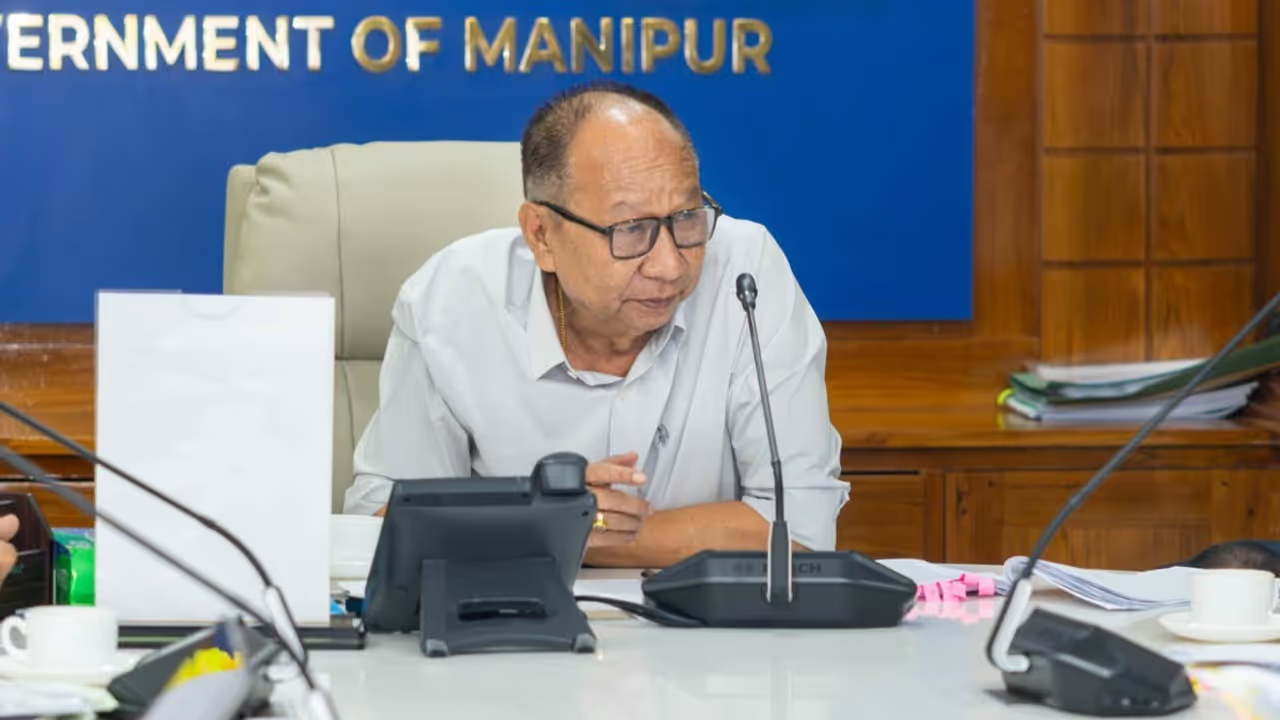
The Manipur Cabinet has reportedly approved the establishment of a new Government Medical College in Senapati district, marking a significant push to expand medical education and healthcare infrastructure in the hill region.
The proposed institution could strengthen access to specialised healthcare while creating new opportunities for medical education and training. Moreover, the project comes as Manipur continues to deal with broader political and social challenges.
The approval represents an important step, although further administrative procedures, funding arrangements, land-related decisions, and construction will determine when the institution becomes operational.
Walking Out of Unity Talks: Pradyut Bordoloi Exit Exposes Tensions in Assam Opposition Alliance
Manipur Cabinet Approves Medical College
The Senapati Government Medical College received approval from the Manipur Cabinet, according to the information provided.
The decision could expand the state’s network of medical education institutions while improving healthcare access in Senapati. Furthermore, a government medical college can support the development of doctors, nurses, technicians, and other healthcare professionals.
The project will require further planning before construction and academic operations begin.
Senapati Could Gain Better Healthcare Access
Senapati’s geographical characteristics can make access to specialised healthcare challenging for some communities.
A medical college located in the district could reduce the need for residents to travel long distances for advanced medical treatment. Additionally, the associated hospital infrastructure could provide diagnostic, emergency, and specialist services.
The eventual impact will depend on the scale and facilities developed alongside the college.
Medical Education Opportunities Could Expand
The proposed institution could also increase opportunities for students seeking medical education within Manipur.
Government medical colleges provide training environments for undergraduate and postgraduate medical students. Moreover, they can create opportunities for clinical research and professional development.
Students from nearby communities could benefit from greater access to medical education if admission and infrastructure arrangements support local participation.
Healthcare Workforce Could Receive a Boost
A new medical college can contribute to the development of the state’s healthcare workforce.
Doctors and other medical professionals trained through the institution could eventually serve hospitals and healthcare facilities across Manipur. Furthermore, teaching hospitals can provide practical training while delivering services to surrounding communities.
The project could therefore have benefits extending beyond Senapati district.
Hill Region Healthcare Remains Important
Expanding healthcare infrastructure in hill districts can address geographical barriers to medical services.
Residents in remote communities may encounter longer travel times and limited access to specialised treatment. Additionally, stronger district-level medical facilities can improve emergency response and reduce pressure on hospitals in major urban centres.
The proposed college could form part of a broader effort to address these challenges.
Cabinet Approval Starts the Next Phase
Cabinet approval represents an important policy decision, but several steps remain before the college can begin operations.
Authorities will need to address land, funding, design, staffing, equipment, accreditation, and other administrative requirements. Moreover, the associated teaching hospital will require substantial medical infrastructure and trained personnel.
Effective implementation will determine the project’s long-term success.
Government Investment Will Be Crucial
Establishing a medical college requires significant investment.
Funding must cover construction, medical equipment, laboratories, hostels, faculty facilities, and hospital services. Furthermore, authorities will need to maintain sufficient recurring resources once the institution becomes operational.
Long-term financial planning will therefore remain essential.
Employment Opportunities Could Increase
The project could create direct and indirect employment opportunities in Senapati.
Doctors, nurses, technicians, administrative staff, educators, maintenance workers, and other professionals will be required once the institution becomes operational. Additionally, construction and supporting services could generate economic activity during the development phase.
The college could therefore contribute to the local economy alongside its healthcare role.
Political Challenges Remain Separate
The announcement comes amid continuing political and social tensions in Manipur.
Despite these challenges, healthcare infrastructure remains an important public-policy priority. Moreover, successful implementation of the medical college could demonstrate continued investment in essential services across affected regions.
Authorities will need to maintain administrative focus throughout the development process.
Local Healthcare Could Become More Resilient
A medical college and teaching hospital can strengthen emergency and specialised healthcare capacity.
Such facilities can support trauma care, diagnostics, surgery, maternal healthcare, and other specialised services depending on the final infrastructure plan. Furthermore, medical institutions can contribute to public-health programmes and disease surveillance.
The long-term benefits could therefore extend across multiple healthcare areas.
What Happens Next?
The government will need to move from cabinet approval toward detailed implementation.
Officials may conduct feasibility assessments, finalise the project site, arrange funding, and begin planning construction and staffing. Additionally, authorities will need to work toward the necessary regulatory approvals before medical education programmes can begin.
The timeline will depend on these administrative and infrastructure processes.
Conclusion
The Senapati Government Medical College marks a significant proposed expansion of Manipur’s medical education and healthcare infrastructure following the Cabinet’s reported approval. The institution could improve access to specialised healthcare while creating new educational and employment opportunities in the hill district.
Moreover, the project could strengthen healthcare capacity across surrounding communities and reduce dependence on distant medical centres. At the same time, successful implementation will require sustained funding, infrastructure development, qualified staff, and regulatory approvals.
Overall, the Senapati medical college project represents an important medical infrastructure push that could deliver long-term benefits to Manipur’s healthcare system.
FAQs
1. What has the Manipur Cabinet approved?
The Cabinet has reportedly approved the establishment of a new Government Medical College in Senapati district.
2. How could the college benefit Senapati?
It could improve access to specialised healthcare, medical education, diagnostics, and hospital services.
3. Could the project create jobs?
Yes. Once operational, a medical college and teaching hospital could require doctors, nurses, technicians, faculty, administrators, and support staff.
4. When will the college begin operations?
Cabinet approval does not establish an immediate opening date. Construction, funding, staffing, accreditation, and other approvals must occur first.
5. Why is a medical college important for hill districts?
A local medical institution can reduce travel barriers to specialised healthcare and strengthen medical services closer to remote communities.