


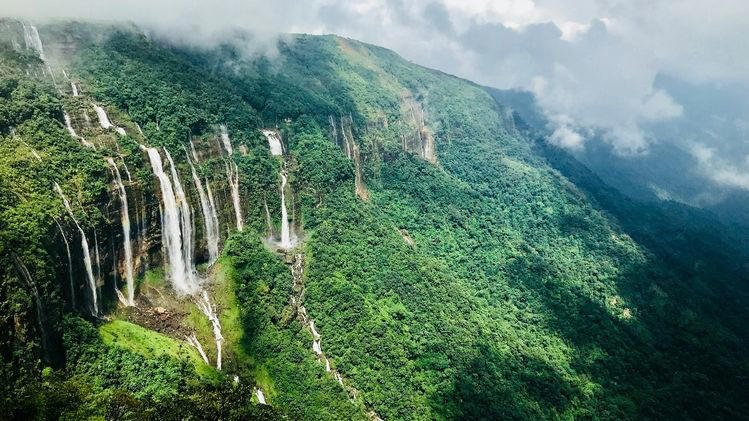
Meghalaya is strengthening its tourism strategy by placing community tourism and infrastructure development at the heart of its plans to attract more domestic and international visitors. The state government is focusing on creating sustainable tourism models that empower local communities while improving connectivity, accommodation, and visitor amenities. By combining its breathtaking natural beauty with community participation and modern infrastructure, Meghalaya aims to position itself as one of India’s leading destinations for responsible and experience-based tourism.
Known for its lush green hills, living root bridges, waterfalls, caves, and rich indigenous cultures, Meghalaya has witnessed growing interest among travelers seeking authentic experiences. Officials believe that tourism can become a major driver of economic growth, employment generation, and rural development if managed sustainably and inclusively.
The renewed emphasis on community participation reflects the state’s commitment to ensuring that tourism benefits local residents while preserving Meghalaya’s unique environmental and cultural heritage.
Community Tourism at the Core of Development
Community tourism has emerged as a key pillar of Meghalaya’s tourism policy. Rather than concentrating tourism benefits in urban centers or large commercial establishments, the government is encouraging local communities to actively participate in developing and managing tourism destinations.
Villages across the state are increasingly offering homestays, guided cultural experiences, nature walks, traditional cuisine, handicraft exhibitions, and eco-tourism activities that allow visitors to experience Meghalaya’s indigenous way of life.
By placing local communities at the center of tourism development, the state aims to generate sustainable income opportunities while preserving traditional customs, languages, and cultural practices.
Officials believe that community ownership also encourages responsible tourism by fostering greater environmental stewardship among residents.
Improving Tourism Infrastructure
Infrastructure development remains another major priority in Meghalaya’s tourism expansion strategy. The government has been investing in better roads, improved transportation, upgraded public facilities, enhanced signage, and visitor-friendly infrastructure across major tourist destinations.
Improved road connectivity has made several remote attractions more accessible, encouraging travelers to explore lesser-known destinations beyond the state’s popular tourism hubs.
Investments are also being made in sanitation facilities, parking areas, public conveniences, information centers, and digital tourism services to enhance the overall visitor experience.
Modern infrastructure is expected to improve tourist satisfaction while supporting long-term growth in visitor arrivals.
Promoting Sustainable Tourism
Environmental conservation remains central to Meghalaya’s tourism vision. The state’s forests, waterfalls, caves, rivers, and biodiversity represent valuable natural assets that require careful protection.
Authorities continue to promote sustainable tourism practices by encouraging eco-friendly accommodation, responsible waste management, biodiversity conservation, and regulated visitor activities.
Community participation has proven particularly effective in protecting fragile ecosystems, as local residents play an active role in maintaining cleanliness, conserving natural resources, and educating visitors about responsible travel practices.
Officials believe that balancing tourism growth with environmental sustainability will help preserve Meghalaya’s natural beauty for future generations.
Showcasing Indigenous Culture
Meghalaya’s rich cultural diversity provides another important attraction for visitors seeking authentic travel experiences. Home to the Khasi, Jaintia, and Garo communities, the state offers a vibrant blend of traditional festivals, music, dance, cuisine, handicrafts, and indigenous customs.
Community tourism initiatives encourage visitors to participate in local festivals, experience traditional hospitality, learn indigenous crafts, and enjoy authentic regional cuisine prepared by local families.
These cultural interactions not only enrich visitor experiences but also generate income for artisans, performers, and rural entrepreneurs while preserving traditional knowledge and craftsmanship.
Promoting indigenous heritage has become an important component of Meghalaya’s broader tourism branding strategy.
Supporting Rural Livelihoods
Tourism has increasingly become a valuable source of livelihood for rural communities throughout Meghalaya. Homestay operators, local guides, transport providers, food vendors, artisans, and adventure tourism operators all benefit from increased visitor arrivals.
Community-based tourism creates employment opportunities that allow young people to remain in their villages rather than migrating in search of work.
Women have also emerged as key participants in tourism enterprises through self-help groups involved in handicrafts, food processing, hospitality, and cultural activities.
Officials believe that expanding tourism will contribute significantly to inclusive rural development while strengthening local economies across the state.
Adventure and Nature-Based Tourism
Meghalaya has established itself as one of India’s premier destinations for adventure tourism. Activities such as trekking, caving, rock climbing, kayaking, river canyoning, camping, ziplining, and nature exploration continue to attract adventure enthusiasts from across the country.
The government is working to develop additional adventure tourism circuits while ensuring proper safety standards, trained guides, and environmentally responsible operations.
Improved infrastructure and better connectivity are expected to further boost adventure tourism, creating additional opportunities for local communities involved in outdoor recreational services.
Nature-based tourism also encourages conservation by demonstrating the economic value of protecting forests, rivers, and wildlife habitats.
Enhancing Visitor Experience
Creating memorable visitor experiences remains one of Meghalaya’s primary tourism objectives. Authorities are focusing on improving hospitality standards, digital information services, multilingual guidance, online booking systems, and tourist assistance facilities.
Training programs are being organized for homestay owners, guides, hospitality workers, and tourism entrepreneurs to improve service quality and customer satisfaction.
The adoption of digital technologies has made it easier for travelers to access destination information, plan itineraries, book accommodations, and learn about local attractions before their visit.
These improvements contribute to a more convenient and enjoyable travel experience while strengthening Meghalaya’s competitiveness in the tourism sector.
Expanding Connectivity
Improved connectivity is playing a crucial role in supporting tourism growth. Upgraded road networks, better transportation services, and enhanced regional connectivity are making it easier for visitors to access tourist destinations across Meghalaya.
Improved infrastructure also benefits local communities by facilitating trade, healthcare access, education, and economic activities beyond tourism.
Officials believe that continued investments in transportation infrastructure will encourage longer tourist stays while increasing travel to emerging destinations throughout the state.
Enhanced connectivity also supports the development of integrated tourism circuits linking multiple attractions across different districts.
Building a Sustainable Tourism Economy
The government’s long-term tourism vision extends beyond increasing visitor numbers. Officials are focused on building a resilient tourism economy that generates year-round employment, supports local businesses, and promotes environmental sustainability.
Public-private partnerships, community participation, skill development, and responsible investment are expected to play important roles in achieving these objectives.
By encouraging entrepreneurship among local communities and strengthening tourism-related infrastructure, Meghalaya aims to maximize the economic benefits of tourism while minimizing environmental impacts.
This balanced approach supports both economic growth and conservation goals.
Conclusion
Meghalaya’s emphasis on community tourism and infrastructure development reflects a forward-looking strategy that combines sustainable growth with inclusive development. By empowering local communities, preserving cultural heritage, protecting natural resources, and investing in modern infrastructure, the state is creating a tourism model that benefits both residents and visitors.
As demand for authentic and environmentally responsible travel experiences continues to grow, Meghalaya is well positioned to emerge as one of India’s leading tourism destinations. Continued investments in connectivity, hospitality, community participation, and sustainable practices are expected to drive visitor growth while ensuring that tourism remains a powerful engine of economic development, cultural preservation, and environmental conservation across the state.