

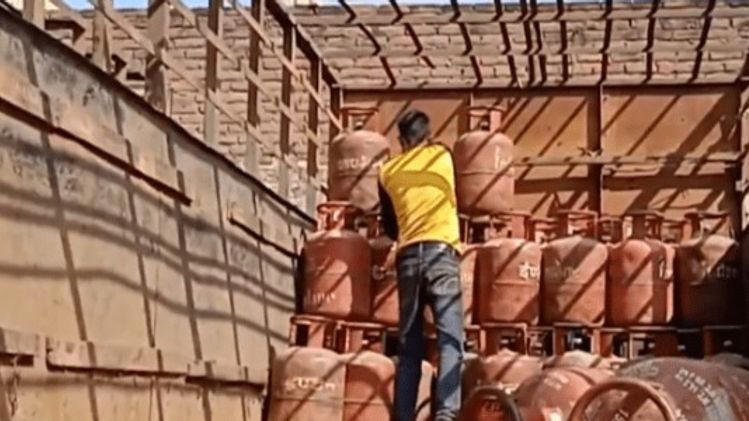
The Meghalaya LPG allocation demand has gained urgency as the state government has approached the Centre seeking increased supply of cooking gas. Authorities have cited ongoing supply constraints and rising demand as key reasons behind the request.
Officials from Meghalaya have highlighted that the current allocation is insufficient to meet the needs of households and commercial users. As a result, many areas are experiencing delays in LPG cylinder distribution.
Importantly, the issue has drawn attention due to its direct impact on daily life. Cooking gas remains an essential commodity, and any disruption affects households across urban and rural areas.
Read More: Meghalaya to host Culinary Cascade Festival in Shillong
Rising demand and supply challenges
The Meghalaya LPG allocation demand comes at a time when consumption of LPG has increased significantly. Government schemes promoting clean cooking fuel have led to higher adoption across the state.
However, supply has not kept pace with this growing demand. Distribution networks are facing pressure, leading to delays and occasional shortages.
Additionally, logistical challenges in transporting LPG to remote areas further complicate the situation. Meghalaya’s terrain, characterized by hills and limited connectivity, makes supply operations difficult.
Moreover, fluctuations in supply from central sources have added to the problem. As a result, the state government has been compelled to seek intervention.
Government’s appeal to the Centre
The Meghalaya government has formally requested the central authorities to enhance LPG allocation. The aim is to ensure a steady and reliable supply for consumers.
Officials have emphasized that increasing allocation will help stabilize the distribution system. It will also reduce waiting times for cylinder refills.
Furthermore, the state has urged the Centre to consider its unique geographical challenges. Additional support in logistics and infrastructure could improve supply efficiency.
The government believes that timely action will prevent further disruptions. It also aims to maintain public confidence in the availability of essential commodities.
Impact on households and businesses
The Meghalaya LPG allocation demand reflects concerns from both households and businesses. Many families rely on LPG as their primary cooking fuel.
Delays in supply can disrupt daily routines and create inconvenience. In some cases, people may have to rely on alternative fuels, which are less efficient and environmentally friendly.
Businesses, especially in the hospitality sector, are also affected. Restaurants and food vendors depend on a steady supply of LPG for their operations.
Therefore, resolving the supply issue is crucial for both domestic and commercial users. Ensuring consistent availability can support economic activity and improve quality of life.
Focus on clean energy and sustainability
The push for higher LPG allocation also aligns with the government’s focus on clean energy. LPG is considered a cleaner alternative to traditional fuels such as firewood and coal.
By promoting LPG usage, the government aims to reduce environmental impact and improve health outcomes. Smoke from traditional fuels can cause respiratory problems and other health issues.
However, supply constraints can hinder this transition. If LPG is not readily available, people may revert to conventional fuels.
Therefore, addressing the Meghalaya LPG allocation demand is important for sustaining clean energy initiatives. It ensures that progress in this area is not reversed.
Challenges in distribution and infrastructure
One of the key issues highlighted by the Meghalaya government is the challenge of distribution. Even with adequate allocation, efficient delivery remains a concern.
Remote areas often face delays due to poor road connectivity. Transporting LPG cylinders to such locations requires additional time and resources.
Moreover, storage and handling infrastructure need improvement. Expanding these facilities can enhance the overall supply chain.
The government is exploring ways to strengthen distribution networks. However, support from central authorities will be essential for large-scale improvements.
Possible solutions and way forward
To address the Meghalaya LPG allocation demand, several measures can be considered. Increasing allocation is the most immediate solution. It can help meet current demand and reduce shortages.
Additionally, improving logistics and infrastructure is crucial. Investments in transportation and storage can enhance efficiency.
The use of technology can also play a role. Digital tracking systems can help monitor supply and distribution, ensuring timely delivery.
Furthermore, coordination between state and central agencies is essential. Collaborative efforts can lead to more effective solutions.
The government is also encouraging awareness among consumers. Efficient usage of LPG can help manage demand and reduce pressure on supply.
A pressing issue requiring timely intervention
The Meghalaya LPG allocation demand highlights a critical issue that requires immediate attention. Ensuring adequate supply of cooking gas is essential for the well-being of citizens.
While challenges exist, they can be addressed through coordinated efforts and strategic planning. Increasing allocation, improving infrastructure, and enhancing distribution systems are key steps in this direction.
In conclusion, the state’s appeal to the Centre underscores the importance of reliable energy supply. By addressing the current constraints, authorities can ensure that households and businesses in Meghalaya continue to have access to clean and efficient cooking fuel.