

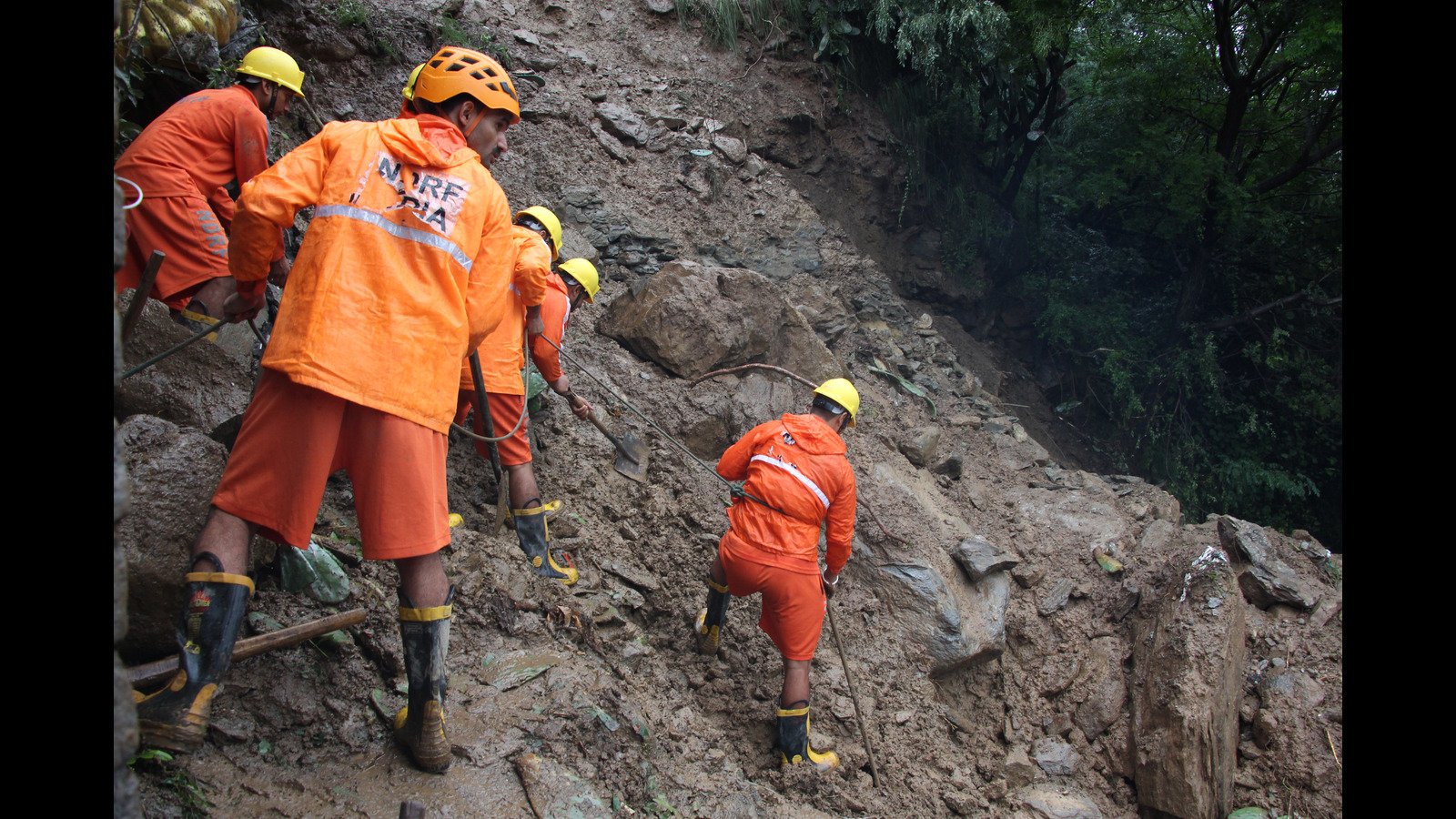
The Migging Landslide Injury Crisis has intensified concerns following the devastating transit accident near Migging, where two individuals suffered critical injuries. The incident, which also claimed three lives after a vehicle plunged nearly 200 metres down a steep slope, occurred amid challenging monsoon conditions. Moreover, the tragedy has renewed calls for enhanced road safety measures and greater vigilance on vulnerable mountain routes across Arunachal Pradesh.
Guwahati Urban Flooding Causes Waterlogging After Intense Morning Rain
Migging Landslide Fatalities Claim Three Lives After Vehicle Plunges 200 Metres
Migging Landslide Injury Crisis Leaves Two Seriously Hurt
The Migging Landslide Injury Crisis unfolded after a vehicle met with a catastrophic accident near Migging, leaving two individuals critically injured.
Moreover, the injured survivors required urgent medical attention as rescue teams worked under difficult terrain and adverse weather conditions.
Accident Also Claimed Three Lives
The transit accident proved fatal for three occupants of the vehicle. Consequently, the tragedy has deeply affected local communities and highlighted the dangers posed by landslide-prone roads.
Additionally, the combination of steep terrain and unstable weather conditions complicated rescue operations.
Monsoon Conditions Increased Risks
The Migging Landslide Injury Crisis occurred during the active monsoon season, which has brought widespread rainfall to several northeastern states. Therefore, landslide risks have risen considerably in mountainous regions.
Furthermore, prolonged rain often weakens slopes and creates hazardous travel conditions.
Emergency Personnel Conducted Rescue Efforts
Authorities and rescue personnel responded swiftly after receiving information about the accident. Consequently, emergency teams carried out rescue operations to reach the victims and transport the injured for medical treatment.
Moreover, challenging geographical conditions frequently make rescue efforts more complex in remote areas.
Critical Injuries Raise Health Concerns
The Migging Landslide Injury Crisis has drawn attention to the condition of the two injured individuals, who reportedly sustained serious injuries.
Additionally, prompt medical intervention remains essential in such accidents to improve survival chances and support recovery.
Mountain Roads Continue to Pose Challenges
Travel through mountainous terrain becomes increasingly risky during periods of heavy rainfall. Therefore, authorities continue to emphasize caution for motorists using vulnerable roads.
Moreover, landslides and falling debris can create sudden dangers that are difficult to predict.
Authorities Strengthen Monitoring
The Migging Landslide Injury Crisis has prompted officials to maintain close monitoring of weather conditions and road safety situations.
Consequently, administrations are expected to remain alert as rainfall continues across the region.
Communities Express Grief and Concern
The accident has generated widespread sorrow among local residents. Furthermore, the injuries suffered by the survivors have added to concerns regarding transportation safety and emergency preparedness.
Additionally, tragic incidents often encourage discussions about improving protective infrastructure.
Importance of Safe Travel During Monsoon
The Migging Landslide Injury Crisis underscores the importance of exercising caution during the rainy season. Therefore, travelers are encouraged to stay informed about weather advisories and road conditions.
Moreover, preventive measures can significantly reduce risks associated with landslides and severe weather.
Focus on Disaster Preparedness
Authorities continue to stress the importance of preparedness and timely response mechanisms. Meanwhile, weather agencies and local administrations are closely observing developments to minimize further risks.
Furthermore, the Migging Landslide Injury Crisis serves as a reminder of the need for resilient infrastructure and effective emergency management systems.
Conclusion
The Migging Landslide Injury Crisis has added another layer of tragedy to the devastating accident near Migging that already claimed three lives. With two individuals suffering critical injuries, concerns over road safety and emergency preparedness have intensified. The incident occurred during the active monsoon season, when heavy rainfall and unstable slopes increase the likelihood of landslides and transportation hazards.
Moreover, the accident highlights the vulnerability of mountain roads and the challenges faced by emergency responders operating in difficult terrain. Prompt rescue efforts and medical care remain vital for the recovery of the injured survivors. At the same time, authorities continue to monitor weather conditions and vulnerable routes to prevent additional tragedies.
Furthermore, the Migging Landslide Injury Crisis emphasizes the importance of infrastructure resilience, disaster preparedness, and public awareness during the monsoon months. Strengthening road safety measures and ensuring timely responses to emergencies will remain essential for protecting lives in mountainous regions. Overall, the incident serves as a sobering reminder of the risks posed by severe weather and the need for continued vigilance.
FAQs
Q1. What is the Migging Landslide Injury Crisis?
The Migging Landslide Injury Crisis refers to the critical injuries suffered by two individuals in the landslide-related transit accident near Migging.
Q2. How many people were injured in the accident?
Two individuals sustained critical injuries in the incident.
Q3. Did the accident result in fatalities?
Yes. Three people lost their lives when the vehicle plunged nearly 200 metres down a steep slope.
Q4. Why are mountain roads dangerous during the monsoon?
Heavy rainfall can trigger landslides, weaken road surfaces, and create hazardous driving conditions.
Q5. Why is the Migging Landslide Injury Crisis important?
The Migging Landslide Injury Crisis highlights the need for stronger road safety measures, effective emergency response systems, and increased awareness during the monsoon season.