

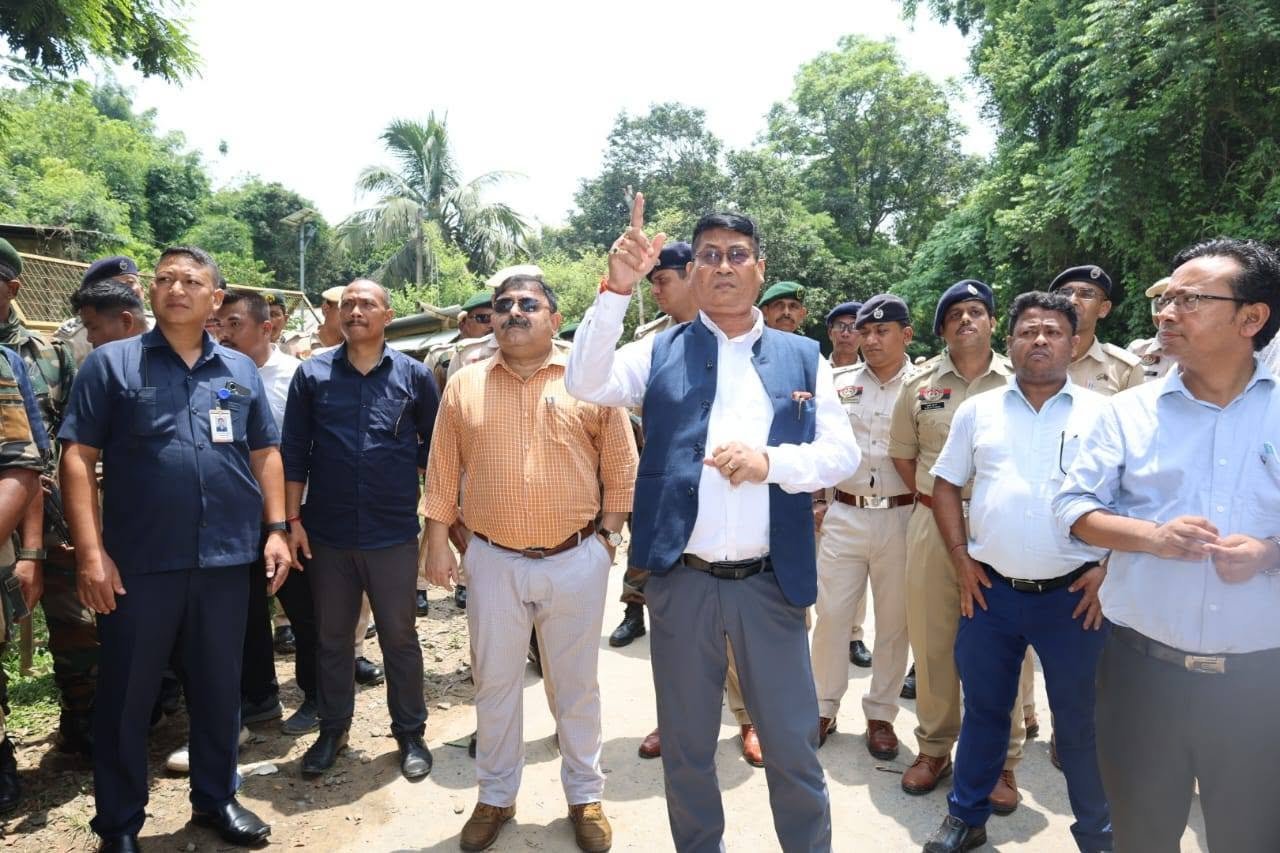
The Militant Blockade Called Off development emerged after surrendered cadres of the NLFT and ATTF withdrew their proposed 72-hour rail and road blockade. The decision came following a written assurance provided by Tripura Tribal Welfare Minister Bikash Debbarma, bringing relief to commuters and residents.
The Militant Blockade Called Off announcement has brought an end to concerns over a proposed 72-hour rail and road blockade in Tripura. Surrendered cadres of the National Liberation Front of Tripura (NLFT) and the All Tripura Tiger Force (ATTF) decided to withdraw the protest after receiving a written assurance from Tribal Welfare Minister Bikash Debbarma. Moreover, the development has helped avert possible disruptions to transportation and public life.
Rehabilitation Funds Demand Triggers Brief Blockade on Assam-Agartala Highway
Ganja Smuggler Arrested: Police Recover Illegal Pistol and Live Ammunition
Militant Blockade Called Off Following Written Assurance
The Militant Blockade Called Off decision came after negotiations resulted in a written assurance from Tribal Welfare Minister Bikash Debbarma. According to reports, the assurance persuaded surrendered cadres of the NLFT and ATTF to withdraw the planned agitation.
Furthermore, the decision prevented a 72-hour blockade that could have affected both rail and road connectivity. Consequently, residents and commuters avoided potential disruptions to daily activities and transportation services.
Dialogue and communication often play an important role in resolving issues involving different stakeholders. Therefore, the latest development underscores the significance of negotiations in addressing concerns.
Surrendered NLFT and ATTF Cadres Withdraw Protest Plan
The surrendered members of the National Liberation Front of Tripura and the All Tripura Tiger Force had announced plans for a rail and road blockade. However, the Militant Blockade Called Off development changed the course of events.
Moreover, the withdrawal reflected the impact of discussions held with the state government. Additionally, written assurances provided by authorities helped create conditions for resolving the matter peacefully.
Such developments demonstrate how communication channels can contribute to preventing disruptions. Thus, the latest outcome has attracted attention across the state.
Bikash Debbarma Plays Key Role in Resolution
Tripura Tribal Welfare Minister Bikash Debbarma played a central role in the developments leading to the withdrawal of the blockade. Furthermore, his written assurance helped facilitate a peaceful resolution to the issue.
The Militant Blockade Called Off announcement highlighted the importance of engagement between authorities and concerned groups. Consequently, the intervention contributed to maintaining normalcy in the state.
Government representatives frequently engage with stakeholders to address grievances and concerns. Therefore, the latest development reflects the role of dialogue in conflict resolution and public administration.
Importance of Maintaining Rail and Road Connectivity
Rail and road networks serve as essential lifelines for transportation and economic activities. Moreover, prolonged disruptions can affect commuters, trade, and the movement of essential goods.
The Militant Blockade Called Off decision helped avoid interruptions that might have impacted public services and daily life. Consequently, maintaining uninterrupted connectivity remains an important priority for authorities.
Additionally, stable transportation systems contribute to economic and social activities. Thus, efforts aimed at resolving disputes peacefully often benefit communities and businesses alike.
Written Assurances Help Facilitate Dialogue
Written assurances often provide clarity and confidence during negotiations. Furthermore, such measures can help build trust between authorities and concerned groups.
In the present case, the Militant Blockade Called Off development demonstrated how formal commitments can assist in reaching mutually acceptable outcomes. Similarly, communication and consultation continue to play important roles in addressing sensitive issues.
Constructive dialogue frequently helps prevent tensions from escalating. Therefore, authorities often emphasize engagement as a means of maintaining peace and stability.
Peaceful Resolution Brings Relief to Residents
The withdrawal of the blockade has provided relief to residents and travelers across Tripura. Moreover, the absence of disruptions ensures the smooth functioning of transportation services and economic activities.
The Militant Blockade Called Off announcement also reflects the effectiveness of negotiations in addressing concerns without affecting the public. Consequently, many stakeholders have welcomed the peaceful resolution.
As transportation networks continue to support daily life and commerce, maintaining normal operations remains essential. Thus, timely interventions by authorities often contribute to preserving stability.
Conclusion
The Militant Blockade Called Off development marked a significant breakthrough after surrendered cadres of the NLFT and ATTF withdrew their planned 72-hour rail and road blockade. The decision followed a written assurance from Tribal Welfare Minister Bikash Debbarma, preventing disruptions to transportation and public life.
Moreover, the episode highlighted the importance of communication and negotiations in resolving issues peacefully. Consequently, the intervention helped maintain normalcy and ensured uninterrupted connectivity across the state.
Looking ahead, continued dialogue between authorities and stakeholders will remain important in addressing concerns and preserving stability. Therefore, the Militant Blockade Called Off decision represents a notable example of conflict resolution through engagement and mutual understanding.
FAQs
1. Why was the Militant Blockade Called Off?
The Militant Blockade Called Off after surrendered cadres of the NLFT and ATTF received a written assurance from Tribal Welfare Minister Bikash Debbarma.
2. Which groups had planned the blockade?
Surrendered cadres of the National Liberation Front of Tripura (NLFT) and the All Tripura Tiger Force (ATTF) had announced the protest.
3. How long was the proposed blockade?
The groups had planned a 72-hour rail and road blockade.
4. Who provided the written assurance?
Tripura Tribal Welfare Minister Bikash Debbarma provided the written assurance.
5. Why is the withdrawal of the blockade important?
The decision prevented disruptions to transportation, trade, and daily life across Tripura.