


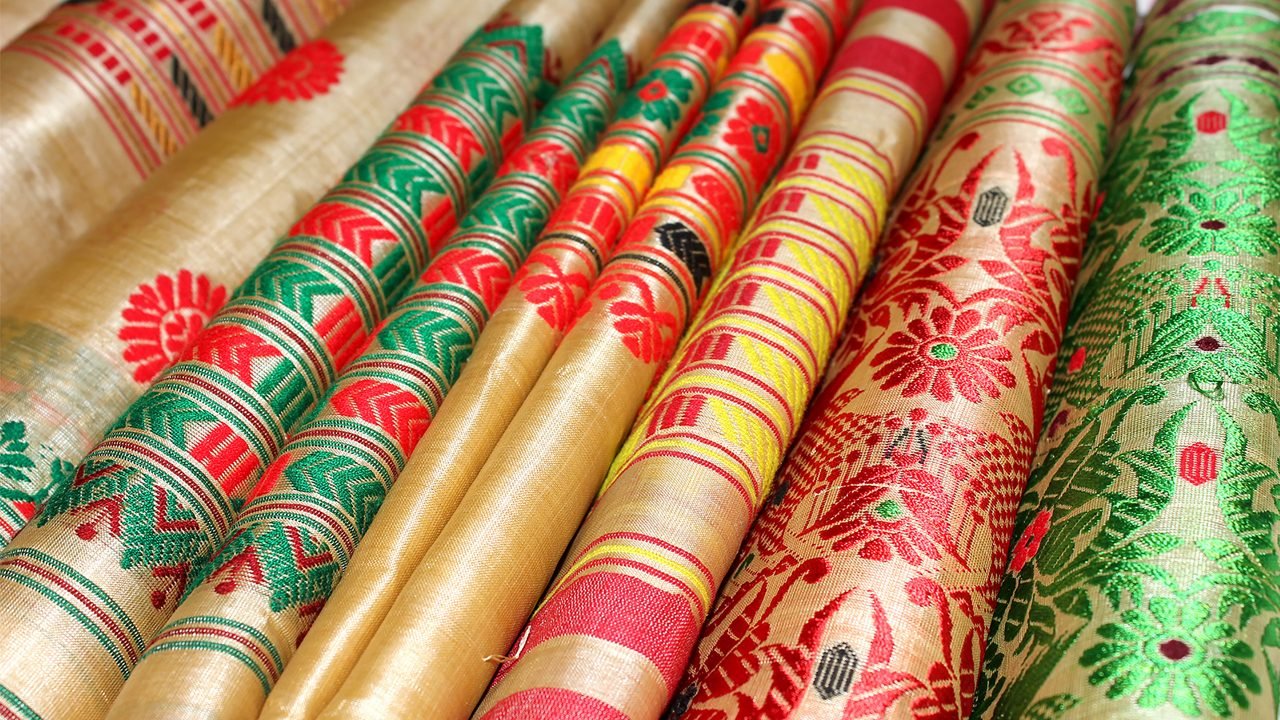
The newly launched Mission SeSH initiative is expected to significantly transform the economic prospects of Assam’s indigenous silk weaving communities by establishing direct monetization pathways and expanding access to international markets. The program seeks to empower traditional Muga Silk artisans, weavers, and reeling communities by reducing intermediary dependence and creating stronger connections with global luxury textile markets. Moreover, the initiative reflects a broader strategy to combine cultural preservation with sustainable economic development.
Home Ministry Begins Compliance Review of Northeast Peace Accords
Direct Market Access to Empower Indigenous Artisans
Mission SeSH has been designed to provide indigenous weavers and silk reelers with improved access to domestic and international markets. Consequently, artisans are expected to benefit from enhanced pricing opportunities, broader customer reach, and stronger market visibility.
According to officials, the initiative aims to strengthen value chains by promoting direct engagement between producers, exporters, designers, and international buyers. Moreover, reducing the role of multiple intermediaries may help increase income generation for traditional silk-producing communities. Therefore, the initiative has generated significant optimism among industry stakeholders and artisan groups.
Authorities have emphasized that empowering grassroots producers remains central to the mission’s long-term objectives. As a result, financial sustainability and market expansion have emerged as key priorities.
Muga Silk Industry Positioned for Global Expansion
The initiative seeks to position Assam’s premium Muga Silk as a globally recognized luxury product while simultaneously improving economic outcomes for indigenous communities. Moreover, growing international demand for sustainable, handcrafted, and heritage textiles presents new commercial opportunities for traditional producers.
Industry experts noted that direct monetization models can significantly improve income security and strengthen local economies. Consequently, initiatives that connect artisans directly to premium markets often contribute to long-term economic resilience. Such approaches also help preserve traditional craftsmanship and cultural heritage.
Furthermore, enhanced branding and export promotion strategies are expected to improve the global competitiveness of Assam’s silk sector. As a result, the industry could witness increased investment and international recognition.
Economic Empowerment and Cultural Preservation Combined
Mission SeSH represents a broader effort to integrate cultural preservation with inclusive economic growth. Moreover, strengthening indigenous industries through direct market participation can improve livelihoods while protecting traditional knowledge systems. Therefore, policymakers continue to emphasize the importance of sustainable development models.
Experts observed that supporting artisan communities through market access, financial inclusion, and institutional support can generate long-term socio-economic benefits. Consequently, initiatives focused on direct monetization and global branding are increasingly viewed as important tools for regional development.
Furthermore, successful implementation could serve as a model for promoting other indigenous products and traditional industries across Northeast India. As a result, public and institutional interest in the initiative remains strong.
Conclusion
The focus of Mission SeSH on creating direct monetization pathways for indigenous Muga Silk weavers and reelers represents a significant step toward strengthening economic empowerment and preserving cultural heritage. Moreover, the initiative highlights the growing importance of connecting traditional industries with global markets through strategic branding and institutional support.
As the program expands, its impact on livelihoods, exports, and cultural preservation will continue to attract considerable attention. Therefore, Mission SeSH is expected to play an important role in shaping the future of Assam’s silk industry and indigenous entrepreneurship.
FAQs
1. What is a key objective of Mission SeSH?
The initiative aims to create direct monetization opportunities for indigenous Muga Silk artisans and producers.
2. Who are the primary beneficiaries?
Traditional weavers, silk reelers, artisans, and related communities involved in the Muga Silk industry.
3. How can direct market access help artisans?
It can improve earnings, reduce dependence on intermediaries, and expand customer reach.
4. Why is Muga Silk important globally?
Muga Silk is valued for its natural golden sheen, durability, and cultural significance.
5. What broader goals does the initiative support?
The initiative supports financial empowerment, cultural preservation, and sustainable economic development.