

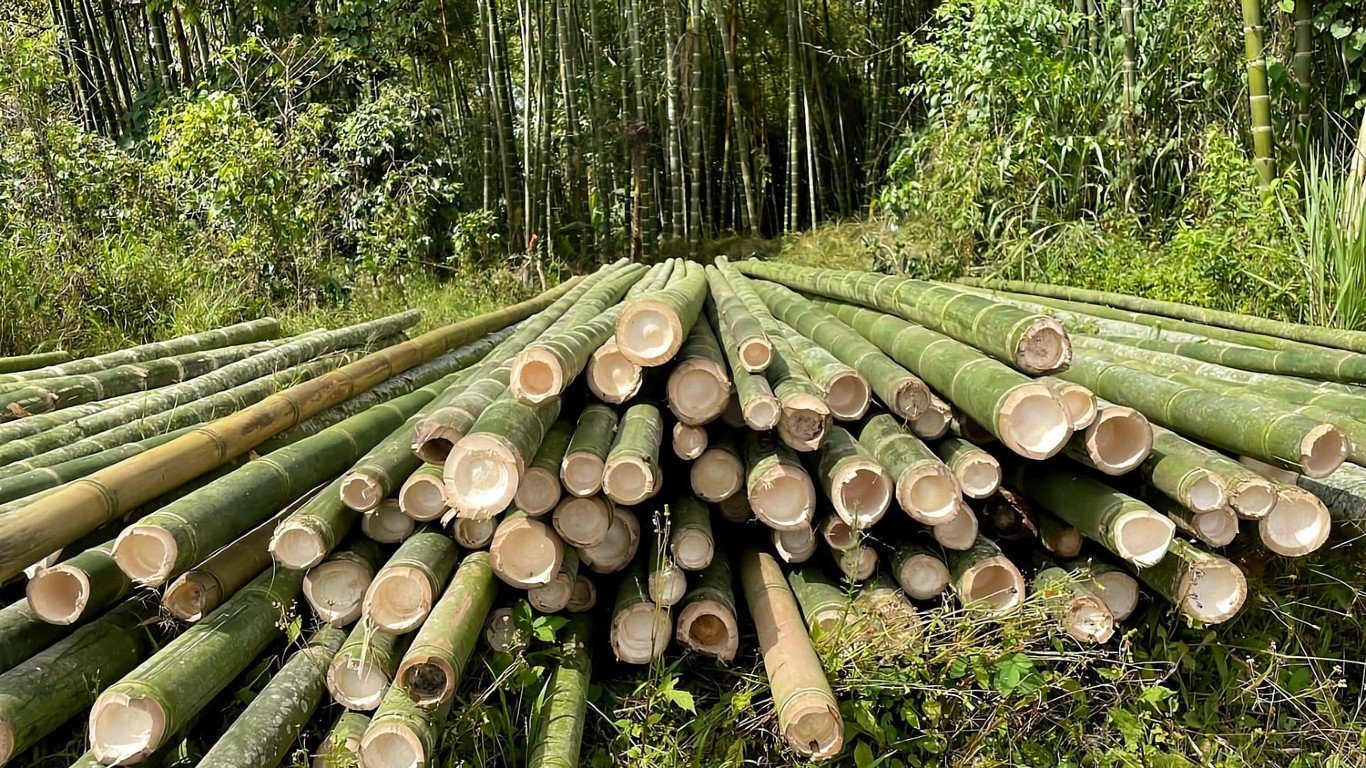
The Mizoram Bamboo Processing Plan has gained momentum as the state government accelerates efforts to strengthen bamboo-based industries and promote climate-resilient economic development. Moreover, the initiative focuses on expanding processing infrastructure, encouraging value-added manufacturing, and creating sustainable livelihood opportunities for local communities. Consequently, the plan is expected to enhance the bamboo value chain while supporting environmentally responsible industrial growth across Mizoram.
Ankita Konwar Becomes First Woman from Northeast India to Swim Across English Channel
Congress Questions Northeast Flood Promises
Mizoram Bamboo Processing Plan Targets Sustainable Industrial Growth
The Mizoram Bamboo Processing Plan aims to modernize bamboo processing facilities and increase the production of value-added bamboo products. Furthermore, the initiative seeks to improve industrial efficiency while supporting sustainable resource management.
Bamboo is one of Mizoram’s most important natural resources and contributes significantly to the state’s rural economy. Consequently, strengthening processing infrastructure can generate employment opportunities and improve income for producers.
Moreover, value-added manufacturing enables better utilization of bamboo resources. Therefore, the state is focusing on expanding industrial capacity.
Additionally, modern processing technology can improve product quality and competitiveness. Thus, the initiative supports long-term industrial development.
Climate-Resilient Industries Receive Greater Attention
The Mizoram Bamboo Processing Plan aligns with broader efforts to promote industries that support environmental sustainability and climate resilience. Furthermore, bamboo is widely recognized as a renewable resource that can contribute to green economic development.
Climate-resilient industries help reduce environmental impacts while supporting sustainable growth. Consequently, policymakers are encouraging investments in eco-friendly manufacturing.
Moreover, bamboo-based products can serve diverse sectors, including construction, handicrafts, furniture, and packaging. Therefore, expanding processing facilities may open new market opportunities.
Similarly, sustainable resource management strengthens long-term environmental conservation. Additionally, responsible industrial practices contribute to climate adaptation efforts.
Processing Infrastructure and Market Access Strengthened
The Mizoram Bamboo Processing Plan emphasizes improving processing infrastructure, storage facilities, and market connectivity for bamboo-based products. Furthermore, better logistics and modern equipment can enhance production efficiency and reduce post-harvest losses.
Efficient supply chains play an important role in supporting industrial competitiveness. Consequently, infrastructure improvements remain central to the state’s development strategy.
Moreover, stronger market linkages can help local enterprises reach domestic and international buyers. Therefore, value-added production is expected to improve commercial opportunities.
Similarly, investments in processing facilities encourage entrepreneurship within rural communities. Additionally, enhanced infrastructure supports long-term economic resilience.
Sustainable Development Drives Future Growth
The Mizoram Bamboo Processing Plan highlights the state’s commitment to balancing industrial expansion with environmental responsibility. Furthermore, continued investment in bamboo processing can strengthen rural livelihoods while supporting sustainable economic growth.
Green industries contribute to resilient local economies and responsible natural resource management. Consequently, bamboo processing remains an important pillar of Mizoram’s development strategy.
Moreover, collaboration between government agencies, industry stakeholders, and local communities will support successful implementation. Therefore, coordinated efforts remain essential for long-term success.
Similarly, innovation and technological advancement can improve industrial productivity. Additionally, sustainable planning enhances the competitiveness of Mizoram’s bamboo sector.
Conclusion
The Mizoram Bamboo Processing Plan represents an important step toward strengthening bamboo-based industries while promoting climate-resilient economic development. Moreover, the initiative focuses on expanding processing infrastructure, encouraging value-added manufacturing, and creating sustainable livelihood opportunities across the state.
Furthermore, continued investment in technology, market connectivity, and sustainable resource management will remain essential for achieving long-term industrial growth. Consequently, the Mizoram Bamboo Processing Plan is expected to enhance Mizoram’s position as a leading hub for environmentally sustainable bamboo-based industries.
FAQs
1. What is the Mizoram Bamboo Processing Plan?
It is a state initiative to strengthen bamboo processing industries through improved infrastructure, value addition, and sustainable industrial development.
2. Why is bamboo important to Mizoram?
Bamboo is a major natural resource that supports rural livelihoods, local industries, and environmentally sustainable economic growth.
3. How will the plan benefit local communities?
It aims to generate employment, improve incomes, strengthen processing facilities, and expand market opportunities for bamboo products.
4. Why are bamboo industries considered climate resilient?
Bamboo is a renewable resource that supports environmentally friendly manufacturing and sustainable resource management.
5. Why is the Mizoram Bamboo Processing Plan significant?
It promotes green industrial development, strengthens rural economies, encourages value-added production, and supports long-term climate-resilient growth.