


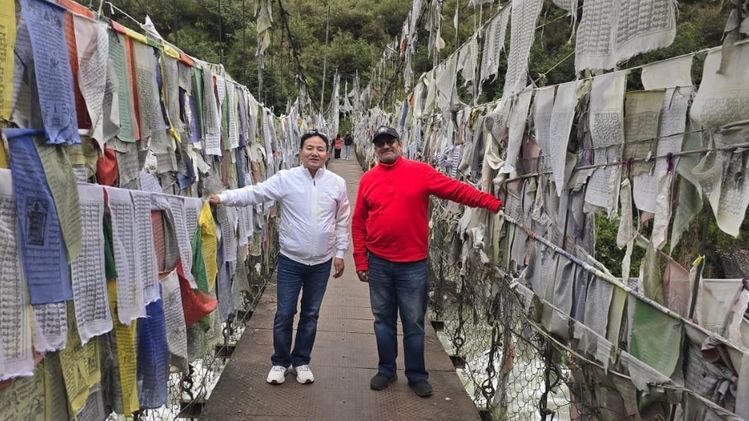
The centuries-old Chakzam Bridge in Arunachal Pradesh’s Tawang district continues to stand as a symbol of architectural brilliance and cultural pride, even after 700 years. Built in the 15th century by the renowned Tibetan engineer and disciple of Lama Tsongkhapa, Thangtong Gyalpo, the iron suspension bridge is now at the center of efforts to boost heritage tourism in the region.
Recognizing its immense historical and cultural significance, Tawang MLA Tsering Tashi has urged the state government to take proactive steps to preserve the site and promote it as a key heritage tourism destination. During a recent inspection of the area, the legislator emphasized that Chakzam Bridge has the potential to attract not only domestic travelers but also international tourists with an interest in Himalayan heritage and ancient engineering marvels.
Read More: Tripura Launches New Schemes for Women and Girls, Plans Women’s College
A Monument of Ancient Engineering
Situated near Mukto village, around 25 kilometers from Tawang town, Chakzam Bridge was constructed across the Tawang Chu River to connect remote villages and Buddhist monasteries in the region. Despite the passage of centuries, the structure’s remnants continue to fascinate historians and engineers alike.
The bridge, originally built using iron chains forged by hand, exemplifies the advanced metallurgical and architectural skills of its time. Although parts of the original structure have deteriorated due to natural wear, the base pillars and remains still stand firm, reflecting remarkable durability.
“The Chakzam Bridge is not merely a monument; it represents the ingenuity and resilience of our ancestors,” MLA Tsering said during his visit. He stressed the importance of restoring and maintaining the site to inspire younger generations and educate tourists about Arunachal Pradesh’s cultural richness.
MLA Tsering Advocates for Heritage Tourism
MLA Tsering has been a vocal advocate for heritage preservation and sustainable tourism development in Tawang. He stated that the government should include the bridge under a comprehensive heritage tourism plan, ensuring that the site receives protection and promotion similar to other historical locations in India’s northeastern states.
“The 700-year-old Chakzam Bridge is a treasure that needs to be showcased to the world,” Tsering remarked. “If properly developed, it can become a major attraction for cultural tourists and history enthusiasts. We must integrate it into our broader tourism roadmap.”
He also called for infrastructural improvements such as better road connectivity, interpretive signboards, and visitor facilities near the site. According to him, these steps will encourage more travelers to explore the bridge while respecting its sacred and historical value.
Linking Past and Present
For the local Monpa community, Chakzam Bridge is more than an ancient structure—it holds spiritual and emotional importance. Thangtong Gyalpo, the Tibetan saint who built the bridge, is revered in Buddhist traditions for his contributions to infrastructure, art, and social welfare.
Many locals view the bridge as a symbol of wisdom and perseverance. Every year, small groups of pilgrims visit the area to offer prayers, maintaining a link between the past and the present. Residents of nearby villages believe that restoring the bridge would not only preserve their heritage but also improve local livelihoods through tourism-related opportunities.
Lobsang Dorjee, a monk from a nearby monastery, said, “Our ancestors built this bridge as a path of connection—both physically and spiritually. Protecting it is like protecting our history and our faith.”
Experts Call for Conservation
Historians and conservation experts have echoed MLA Tsering’s call for preservation, warning that neglect could lead to irreversible damage. The fragile remains of the iron chains and stone structures require immediate attention and scientific restoration methods.
Arunachal Pradesh’s Department of Tourism has reportedly begun discussions with the Archaeological Survey of India (ASI) and the Indian National Trust for Art and Cultural Heritage (INTACH) for potential restoration collaborations. Officials say that a feasibility study will be conducted soon to assess the conservation needs and the environmental impact of developing the site for tourism.
A senior tourism official explained, “We aim to protect Chakzam Bridge while maintaining its authenticity. Our plan will balance heritage preservation with eco-friendly tourism initiatives.”
Promoting Heritage Alongside Nature Tourism
Tawang is already known for its breathtaking landscapes, monasteries, and cultural festivals. The addition of Chakzam Bridge heritage tourism could further enhance the district’s profile as a multifaceted destination combining history, spirituality, and adventure.
Experts believe that integrating the bridge into existing travel circuits such as the Tawang Monastery Trail and the Bumla Pass route will attract more visitors. The government is also exploring digital promotion strategies, including virtual tours and documentary projects showcasing the bridge’s history.
MLA Tsering mentioned that collaboration with local entrepreneurs and tour operators could ensure community participation in the development process. “Our goal should be sustainable tourism—one that empowers local residents while preserving our heritage,” he stated.
Local Community’s Enthusiastic Response
The initiative has received overwhelming support from the local population. Villagers of Mukto and nearby settlements have volunteered to assist in maintaining the area’s cleanliness and guiding visitors. Many believe that the government’s renewed focus on the bridge could bring employment opportunities in homestays, handicrafts, and traditional food services.
A youth leader from Mukto said, “We are proud of Chakzam Bridge. It’s our identity. If the government promotes it properly, Tawang will become a top destination for cultural travelers.”
The Road Ahead
As discussions progress, authorities are hopeful that Chakzam Bridge will soon find a place on India’s heritage tourism map. With the support of MLA Tsering, tourism officials, and local residents, plans for conservation and promotion are expected to move forward in the coming months.
The preservation of Chakzam Bridge will not only honor the legacy of Thangtong Gyalpo but also strengthen Arunachal Pradesh’s reputation as a destination that harmonizes history, spirituality, and natural beauty.
As the 700-year-old structure continues to withstand the test of time, it stands as a testament to the enduring spirit of the Himalayas—inviting travelers from across the world to witness a living piece of history and experience the timeless essence of Chakzam Bridge heritage tourism.
Read More: Assam Youth Take Protest for Zubeen Garg’s Justice to Sea