

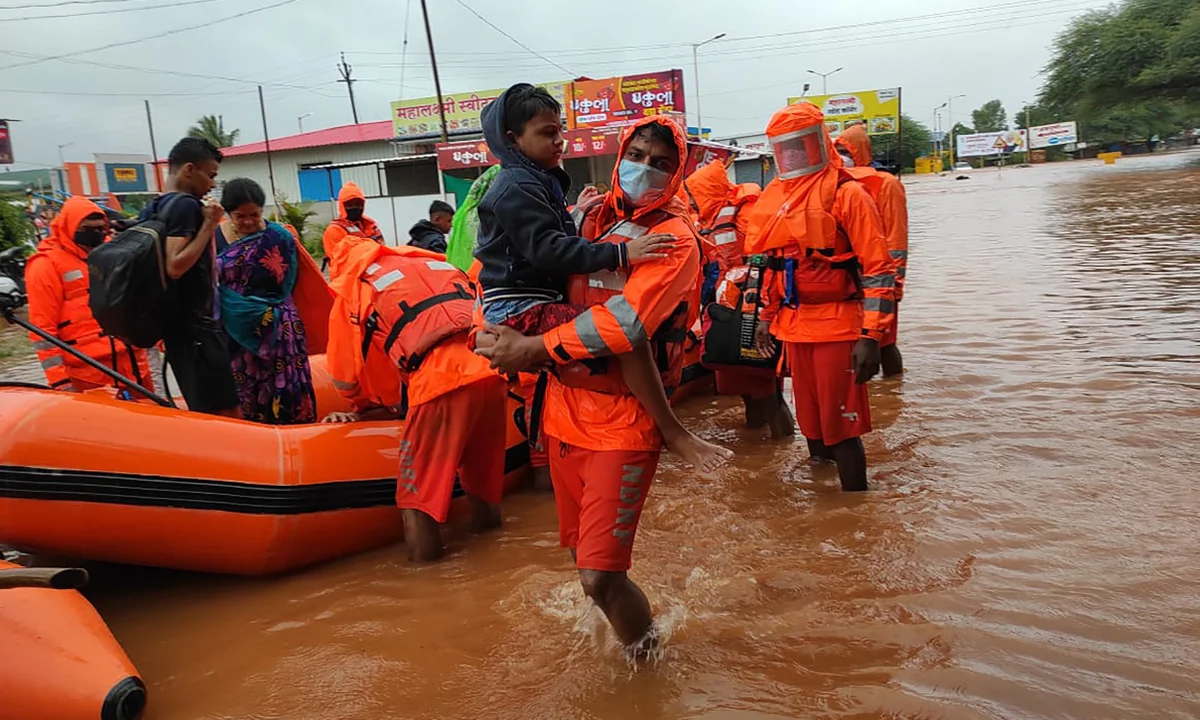
Local emergency operations authorities confirmed on June 30 that the death toll from the ongoing severe monsoon and flood emergency has risen to four, while more than 90,000 people have been displaced across multiple affected regions. The worsening weather conditions have led to extensive flooding, large-scale evacuations, and significant disruption to transportation, agriculture, and public services. Moreover, disaster response agencies have intensified rescue and relief efforts as authorities continue to monitor the evolving situation. The latest figures highlight the growing humanitarian challenges posed by the current monsoon wave.
Joint Action Committee Calls for Mass Peaceful March Over Alleged ₹277 Crore Irregularities
Weapons Recovery Follows Joint Security Operation
Casualty Count Increases Amid Worsening Flood Conditions
Flood toll rises to four as emergency authorities continue to assess the impact of severe monsoon conditions affecting vulnerable districts. Consequently, rescue teams and local administrations have expanded emergency operations to support affected populations.
Officials confirmed that persistent rainfall, overflowing rivers, and widespread inundation have contributed to the deteriorating situation. Moreover, floodwaters have submerged residential areas, damaged infrastructure, and disrupted essential services. Therefore, authorities remain on high alert across the affected regions.
Emergency response agencies emphasized that public safety remains the highest priority. Furthermore, evacuation measures have been intensified in low-lying and flood-prone areas. As a result, thousands of residents have been relocated to safer locations and relief camps.
Meanwhile, authorities continue to monitor river levels and weather forecasts closely. Consequently, additional precautionary measures may be implemented if conditions worsen.
More Than 90,000 Residents Displaced Across Affected Areas
Flood toll rises to four as displacement figures continue to increase due to the ongoing monsoon emergency. Moreover, widespread flooding has forced tens of thousands of residents to leave their homes. Therefore, relief operations have been expanded significantly.
According to emergency officials, more than 90,000 people have been displaced across multiple administrative regions. Consequently, temporary shelters and relief camps have been established to accommodate affected families. Such facilities are providing food, drinking water, healthcare, and emergency assistance.
Furthermore, local administrations are coordinating with disaster management agencies to ensure uninterrupted relief distribution. As a result, support services continue to reach vulnerable communities.
Meanwhile, efforts are underway to identify additional locations for emergency shelter operations. Similarly, authorities are strengthening logistics networks to improve relief delivery.
Rescue and Relief Operations Intensified
The rising flood toll and increasing displacement have prompted authorities to intensify rescue and relief efforts. Moreover, emergency personnel continue to operate in challenging weather conditions. Therefore, coordination among agencies has become essential.
Officials stated that disaster response teams, local administration officials, and volunteers are working continuously to evacuate stranded residents and distribute essential supplies. Consequently, emergency response capabilities have been strengthened across affected districts.
Furthermore, medical teams have been deployed to relief camps to provide healthcare services and prevent disease outbreaks. As a result, public health preparedness has become a key component of relief operations.
Meanwhile, transportation and communication infrastructure continue to face disruptions in several areas. Similarly, emergency repair teams remain on standby.
Authorities Maintain Vigilance as Monsoon Threat Persists
Authorities have warned that the monsoon threat remains active, requiring sustained vigilance and preparedness. Moreover, additional rainfall could further aggravate flood conditions in already affected areas. Therefore, emergency monitoring systems remain operational around the clock.
Officials urged residents to follow official advisories, avoid flooded areas, and cooperate with evacuation instructions if necessary. Consequently, public awareness campaigns have been intensified throughout affected regions.
Furthermore, disaster management agencies continue to assess damage to infrastructure, agriculture, and public utilities. As a result, long-term rehabilitation planning is already being considered.
Meanwhile, weather monitoring agencies continue to track rainfall patterns and river conditions. Similarly, emergency preparedness measures remain in place.
Conclusion
The confirmation that the flood toll has risen to four, alongside the displacement of more than 90,000 people, underscores the severity of the ongoing monsoon emergency. Moreover, widespread flooding continues to place enormous pressure on communities, infrastructure, and disaster response systems.
The situation highlights the importance of rapid rescue operations, coordinated relief efforts, and continuous monitoring during large-scale natural disasters. Therefore, authorities remain focused on protecting lives and supporting affected populations.
As the monsoon crisis continues to unfold, emergency agencies and government authorities remain committed to minimizing further loss of life and accelerating relief and rehabilitation efforts.
FAQs
1. What is the confirmed flood death toll?
The confirmed casualty count has risen to four.
2. How many people have been displaced?
More than 90,000 people have reportedly been displaced.
3. What caused the displacement?
Severe monsoon flooding, rising river levels, and widespread inundation.
4. What assistance is being provided?
Authorities are providing rescue operations, relief camps, food, medical care, and emergency shelter.
5. Are emergency operations still ongoing?
Yes, rescue, relief, and monitoring operations continue across affected regions.