

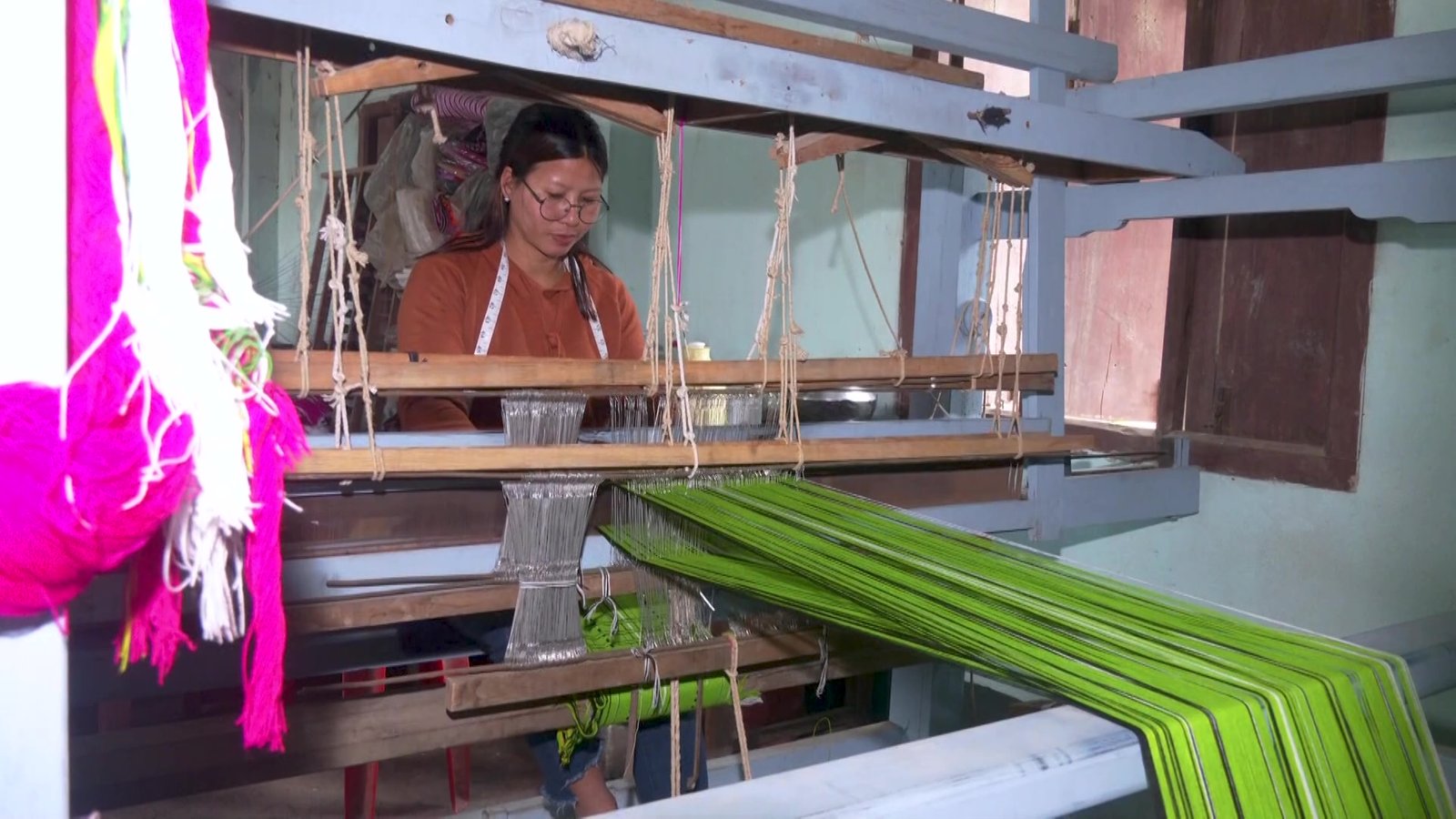
A Nagaland handloom exhibition has opened in Chümoukedima, showcasing traditional craftsmanship with a special focus on local geometric tribal weaves. The event aims to promote indigenous textile heritage and provide market exposure to local artisans. Moreover, officials highlighted that the exhibition will help preserve Nagaland’s cultural identity through sustainable handloom practices. The initiative reflects growing efforts to strengthen the state’s creative economy.
Shillong Traffic Restrictions Tightened Ahead of High-Profile Central Ministerial Visits
Nirmala Sitharaman Reviews Progress at Wahiajer Football Stadium
Handloom Exhibition Showcases Tribal Weaving Traditions
Nagaland handloom exhibition opens in Chümoukedima to promote local geometric tribal weaves, bringing together artisans from different districts. Consequently, visitors are getting an opportunity to explore diverse weaving styles and traditional patterns.
The exhibition features handcrafted textiles inspired by Naga tribal designs, known for their intricate geometric motifs. Moreover, these patterns represent cultural symbolism and ancestral heritage. Therefore, the event serves as both a cultural showcase and a preservation initiative.
Artisans are displaying shawls, wraps, and decorative fabrics made using traditional looms. Furthermore, live demonstrations are being conducted to showcase weaving techniques. As a result, visitors can directly engage with the craft process.
Meanwhile, local buyers and tourists are showing strong interest in the products. Consequently, the exhibition is generating increased awareness of handloom heritage.
Promotion of Indigenous Art and Artisan Livelihoods
The Nagaland handloom exhibition opens in Chümoukedima to promote local geometric tribal weaves while also supporting artisan livelihoods. Moreover, handloom weaving remains an important source of income for many rural families. Therefore, such exhibitions help expand market access.
Government and cultural bodies are working together to promote indigenous crafts. Consequently, artisans receive better visibility and sales opportunities. Such initiatives contribute to rural economic empowerment.
Furthermore, skill preservation is a key objective of the programme. As a result, younger generations are encouraged to learn traditional weaving techniques.
Meanwhile, artisans expressed hope for increased demand for their products. Similarly, exposure to wider markets may improve long-term income stability.
Cultural Preservation Through Traditional Weaving
Nagaland handloom exhibition opens in Chümoukedima to promote local geometric tribal weaves as part of broader cultural preservation efforts. Moreover, tribal weaving traditions are deeply rooted in community identity. Therefore, protecting these practices is essential for cultural continuity.
Each woven pattern carries symbolic meaning linked to Naga traditions. Consequently, the exhibition helps educate visitors about cultural narratives embedded in textiles. Such awareness strengthens appreciation for indigenous heritage.
Furthermore, handloom weaving represents sustainable and eco-friendly production methods. As a result, it aligns with modern trends toward ethical fashion.
Meanwhile, cultural experts emphasize documentation and promotion of traditional knowledge. Similarly, efforts are being made to integrate handloom into contemporary design markets.
Boost to Creative Economy and Tourism Potential
The exhibition is expected to contribute to Nagaland’s creative economy by promoting handloom products beyond local markets. Moreover, such events attract tourists interested in cultural experiences. Therefore, they support both economic and tourism growth.
Handloom products from Nagaland have growing demand in national and international markets. Consequently, exposure through exhibitions can enhance branding and recognition. Such opportunities benefit artisans and cooperatives.
Furthermore, the event encourages collaboration between designers and local weavers. As a result, new product innovations may emerge while preserving traditional identity.
Meanwhile, tourism authorities view cultural exhibitions as key attractions. Similarly, they help position Nagaland as a hub for indigenous arts.
Conclusion
Nagaland handloom exhibition opens in Chümoukedima to promote local geometric tribal weaves, highlighting the rich cultural heritage of Naga weaving traditions. Moreover, the event supports artisans, preserves indigenous knowledge, and boosts rural livelihoods.
The exhibition serves as a platform for cultural exchange and economic empowerment. Therefore, it strengthens both heritage preservation and creative industry development.
As Nagaland handloom exhibition opens in Chümoukedima to promote local geometric tribal weaves, it reflects the growing recognition of traditional crafts in shaping the state’s cultural and economic future.
FAQs
1. Where is the handloom exhibition held?
It is held in Chümoukedima, Nagaland.
2. What is the focus of the exhibition?
It promotes local geometric tribal weaves.
3. Who benefits from the event?
Local artisans and handloom weavers.
4. Why are tribal weaves important?
They represent cultural heritage and identity.
5. How does it help the economy?
It increases market access for handmade textile products.