


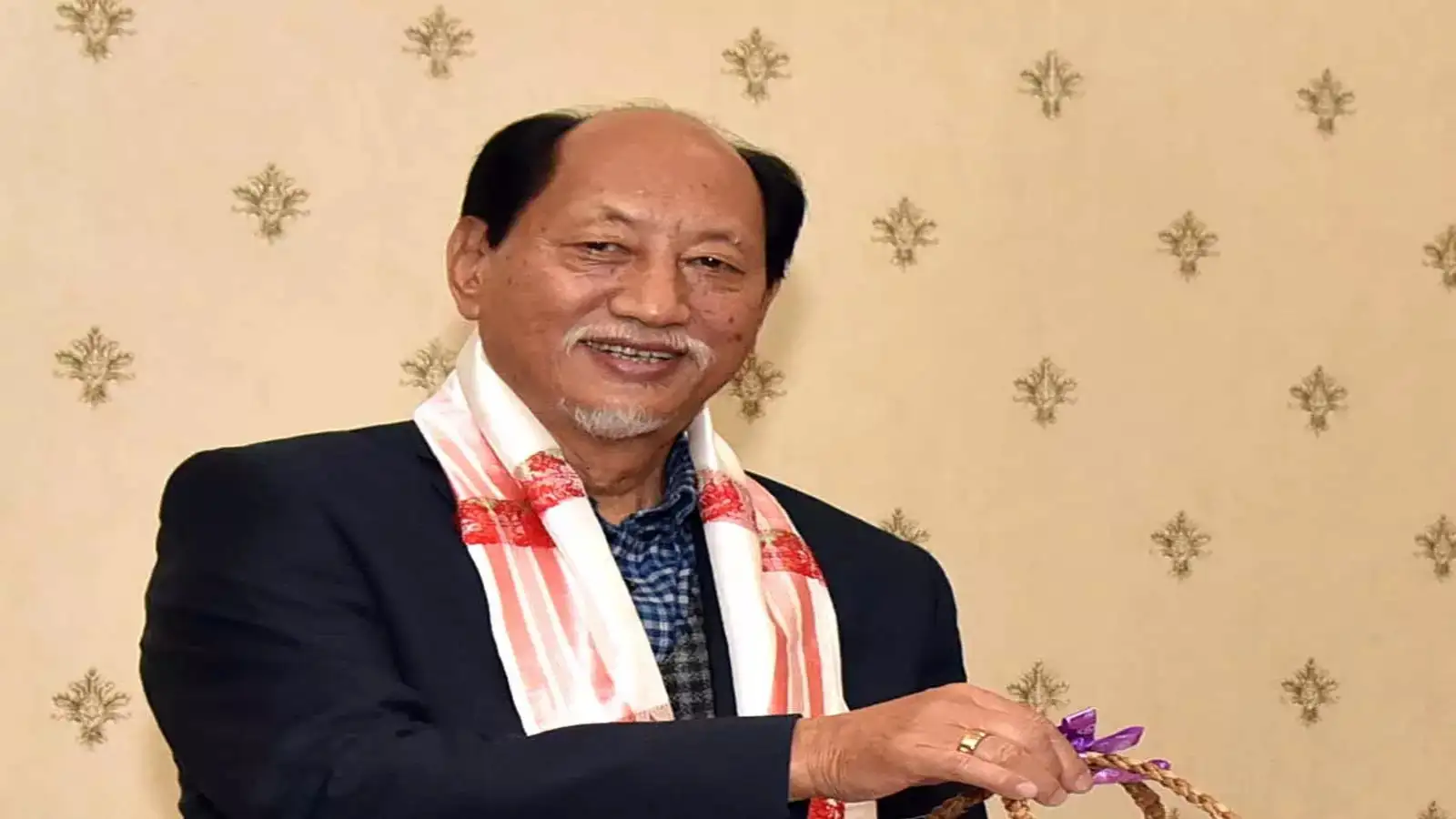
The Nagaland Hostage Release Appeal gained attention after Chief Minister Neiphiu Rio publicly called for the immediate and reciprocal release of six Naga hostages. The appeal comes amid ongoing community tensions, concerns over border village security, and growing pressure from Naga civil society organizations seeking the safe return of abducted individuals. Moreover, the development underscores the importance of dialogue, peacebuilding, and community cooperation in addressing regional disputes.
TIPRA Motha Tribal Criticism Intensifies Over Unfulfilled Promises in Tripura
Tripura Zoo Authority Proposal Gains Conservation Support
Nagaland Hostage Release Appeal Issued by Chief Minister
The Nagaland Hostage Release Appeal was formally made by Chief Minister Neiphiu Rio as concerns intensified over the fate of six Naga hostages. The Chief Minister urged all parties involved to facilitate their immediate and reciprocal release in the interest of peace and public welfare.
Moreover, the appeal reflects the government’s commitment to resolving sensitive issues through dialogue and cooperation. Authorities continue to monitor developments while engaging with relevant stakeholders.
Community Tensions Remain a Key Concern
The appeal comes against the backdrop of persistent community tensions affecting certain areas near vulnerable border villages. Consequently, local residents have expressed concern about security, stability, and the well-being of affected families.
Additionally, prolonged tensions can have social and economic consequences for communities, making peaceful resolution an important priority for leaders and civil society groups.
Six Naga Hostages at the Center of the Issue
The primary focus of the Nagaland Hostage Release Appeal is the safe return of six Naga individuals reportedly being held hostage. Therefore, community leaders and public representatives have intensified calls for their release.
Furthermore, concerns surrounding the welfare of abducted individuals often generate widespread public attention and emotional responses from local communities.
Civil Society Organizations Demand Action
Naga civil society organizations have actively advocated for the return of the abducted men. Consequently, these groups have continued engaging with authorities and community stakeholders to support efforts aimed at securing their release.
Moreover, civil society organizations frequently play a significant role in conflict resolution, community outreach, and humanitarian advocacy during periods of tension.
Border Village Security Under Scrutiny
The situation has also renewed discussions regarding the security of border villages and remote communities. Therefore, local administrations remain focused on maintaining stability and addressing concerns raised by residents.
Additionally, border regions often face unique challenges related to communication, administration, and community relations. Effective coordination remains important in addressing such issues.
Chief Minister Emphasizes Peaceful Resolution
Chief Minister Neiphiu Rio’s statement emphasized the importance of resolving the matter peacefully. Consequently, the appeal has been viewed as an effort to encourage constructive engagement among all concerned parties.
Furthermore, peaceful resolution mechanisms often help reduce tensions while creating opportunities for dialogue and mutual understanding. Such approaches are widely supported by community leaders.
Tribal and Administrative Disputes Influence Developments
The broader context surrounding the issue includes ongoing tribal and administrative disagreements. Therefore, observers note that local disputes can sometimes contribute to heightened tensions within affected regions.
Moreover, addressing underlying concerns through communication and consultation is often considered essential for achieving long-term stability and cooperation.
Families Await Safe Return of the Abducted Men
Families of the hostages continue to await positive developments regarding their loved ones. Consequently, public support for efforts to secure their release remains strong across many communities.
Additionally, incidents involving abductions often place significant emotional strain on families and local populations, reinforcing the urgency of finding a resolution.
Dialogue Seen as a Path Forward
Many stakeholders have highlighted dialogue as the most effective means of addressing the situation. Therefore, community representatives continue to encourage engagement and cooperation among all parties involved.
Furthermore, successful dialogue initiatives can help rebuild trust and reduce the likelihood of future tensions. Communication remains a critical component of conflict management.
Focus on Stability and Community Welfare
The Nagaland Hostage Release Appeal ultimately reflects broader concerns about stability, security, and community welfare. Meanwhile, authorities and civil society groups continue efforts to support a peaceful outcome.
Moreover, maintaining public confidence and ensuring the safety of affected communities remain important priorities as developments continue to unfold.
Conclusion
The Nagaland Hostage Release Appeal issued by Chief Minister Neiphiu Rio highlights the seriousness of ongoing concerns surrounding the reported abduction of six Naga individuals. By calling for their immediate and reciprocal release, the Chief Minister has emphasized the importance of humanitarian considerations, peaceful engagement, and community well-being. The appeal has also drawn attention to broader issues affecting border villages and local populations.
Moreover, civil society organizations have played a crucial role in advocating for the safe return of the hostages and encouraging constructive dialogue. Their involvement reflects the collective concern shared by communities seeking a peaceful and timely resolution. The situation has reinforced the importance of cooperation among government authorities, community leaders, and stakeholders.
Furthermore, the incident underscores the need to address underlying tensions through communication, trust-building, and responsible leadership. As discussions continue and efforts toward resolution progress, the focus remains on ensuring the safety of the affected individuals and restoring confidence within local communities. Overall, the Nagaland Hostage Release Appeal serves as a reminder that lasting stability is best achieved through dialogue, mutual respect, and a commitment to peaceful solutions.
FAQs
Q1. What is the Nagaland Hostage Release Appeal?
The Nagaland Hostage Release Appeal refers to Chief Minister Neiphiu Rio’s public call for the immediate and reciprocal release of six Naga hostages.
Q2. How many hostages are involved in the issue?
The appeal concerns the reported release of six Naga individuals who are currently being held hostage.
Q3. Why has the issue gained public attention?
The situation involves community security concerns, border village vulnerabilities, and ongoing advocacy by Naga civil society organizations.
Q4. What role are civil society groups playing?
Civil society organizations are advocating for the safe return of the abducted men and encouraging peaceful dialogue among stakeholders.
Q5. What approach has the Chief Minister emphasized?
Chief Minister Neiphiu Rio has emphasized peaceful resolution, cooperation, and the immediate release of the hostages through constructive engagement.